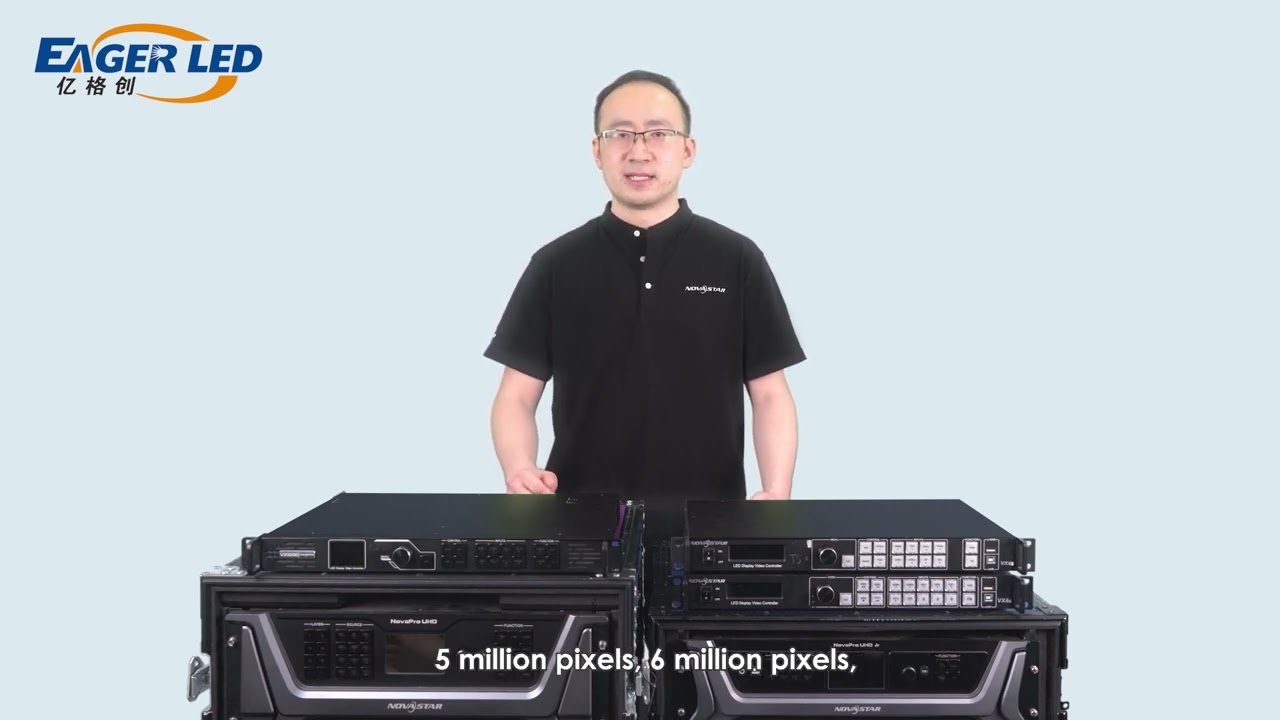
NovaStar Beginner’s Guide to LED Display Interfaces and Calibration | NovaStar NCE Level 1 Training
Автор: LEDSCREENPARTS
Загружено: 2025-08-04
Просмотров: 149
Описание:
🎓 LED Display Basics Explained | NovaStar NCE Level 1 Training Course
Welcome to the official NovaStar Certified Engineer (NCE) Level 1 Training! This beginner-friendly course is designed for newcomers to the LED display industry and introduces the foundational knowledge you need to start working with LED control systems and display hardware.
📚 What You’ll Learn in This Video
This session covers the most common signal interfaces and control cables used in LED display systems, as well as essential display parameters such as pixel pitch, refresh rate, grayscale, and calibration. Whether you're an aspiring technician or just beginning your LED career, this course provides a clear and concise overview of core concepts.
💡 Covered Topics Include:
Video Signal Interfaces
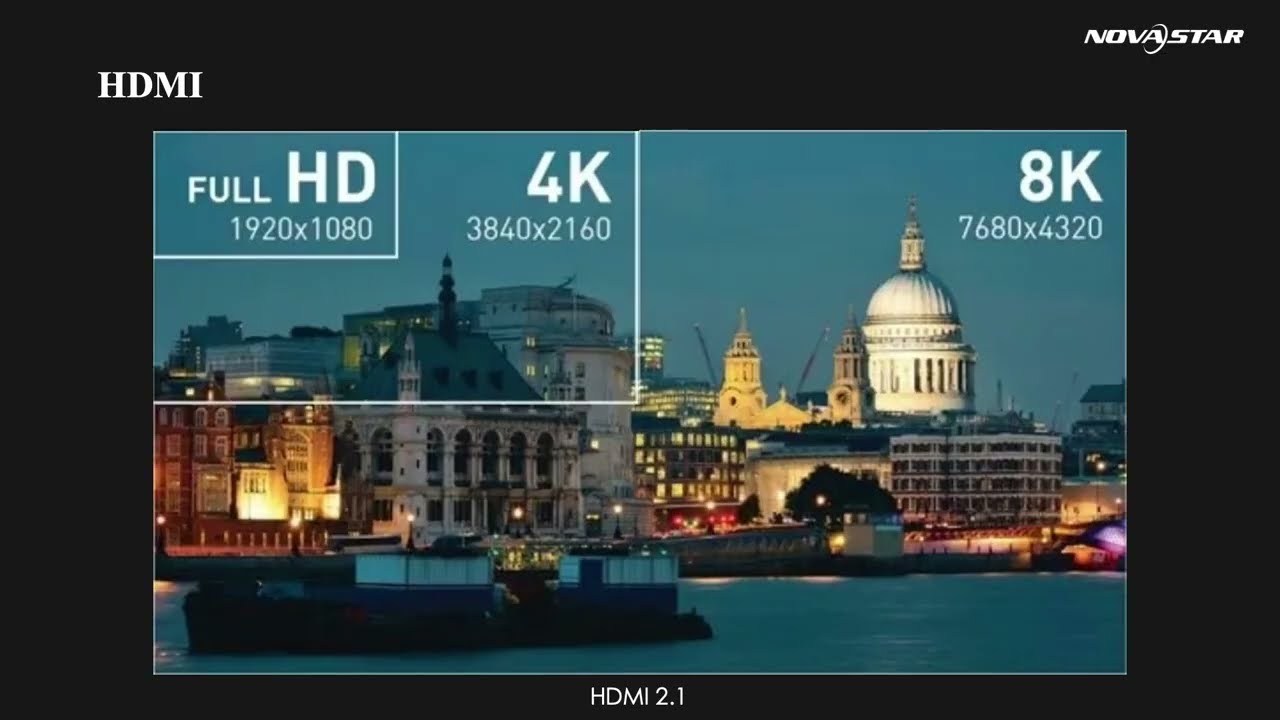
HDMI: High-definition multimedia interface; versions 1.3 to 2.1 explained with resolution support.
DP (DisplayPort): Digital interface used primarily for monitors; supports up to 8K@60Hz.
DVI: Digital Visual Interface; single-link and dual-link types.
SDI: Serial Digital Interface, widely used in broadcast systems.
VGA: Analog signal standard, mostly obsolete in modern LED setups.
Control Signal Cables
USB: Commonly used for direct controller configuration.
Ethernet (RJ45): T568A and T568B wiring types, with B being preferred for better noise isolation.
Fiber Optic: LC connectors explained for high-speed, long-distance data transmission.
Core Display Concepts
Pixel: The smallest unit of an LED screen composed of RGB LEDs.
Pixel Pitch: The distance between two pixel centers, impacting resolution and clarity.
Pixels per Inch (PPI): Density of pixels within a given area.
Number of Scans: The scan method and its effect on image quality and cost.
Refresh Rate: Expressed in Hz (e.g., 30Hz, 60Hz), higher means smoother motion.
Visual Refresh Rate: Times the entire image updates per second.
Calibration
Why It's Important: LED modules often show brightness and chromaticity differences due to material aging and inconsistencies.
Before & After Effects: Clear visual examples of how calibration improves brightness uniformity, color gamma, and overall display quality.
Grayscale Levels: Refers to how many brightness steps exist from black to white—key for image depth and smooth gradients.
🚀 Why This Matters
Understanding these foundational concepts is crucial for anyone looking to work in LED display installation, configuration, or system support. By mastering input interfaces, control protocols, and calibration basics, you'll be equipped to handle real-world LED projects confidently.
👍 Like this training? Stay tuned for more sessions in our NCE series!
📧 For further information about the products or to inquire about quotations, please contact us:
🌐 Website: www.ledscreenparts.com
✉️ Email: [email protected]
📲 WhatsApp: +86 13316541431
#NovaStar #LEDdisplay #LEDtraining #calibration #displayinterfaces #controlsystem
Повторяем попытку...
Доступные форматы для скачивания:
Скачать видео
-
Информация по загрузке: