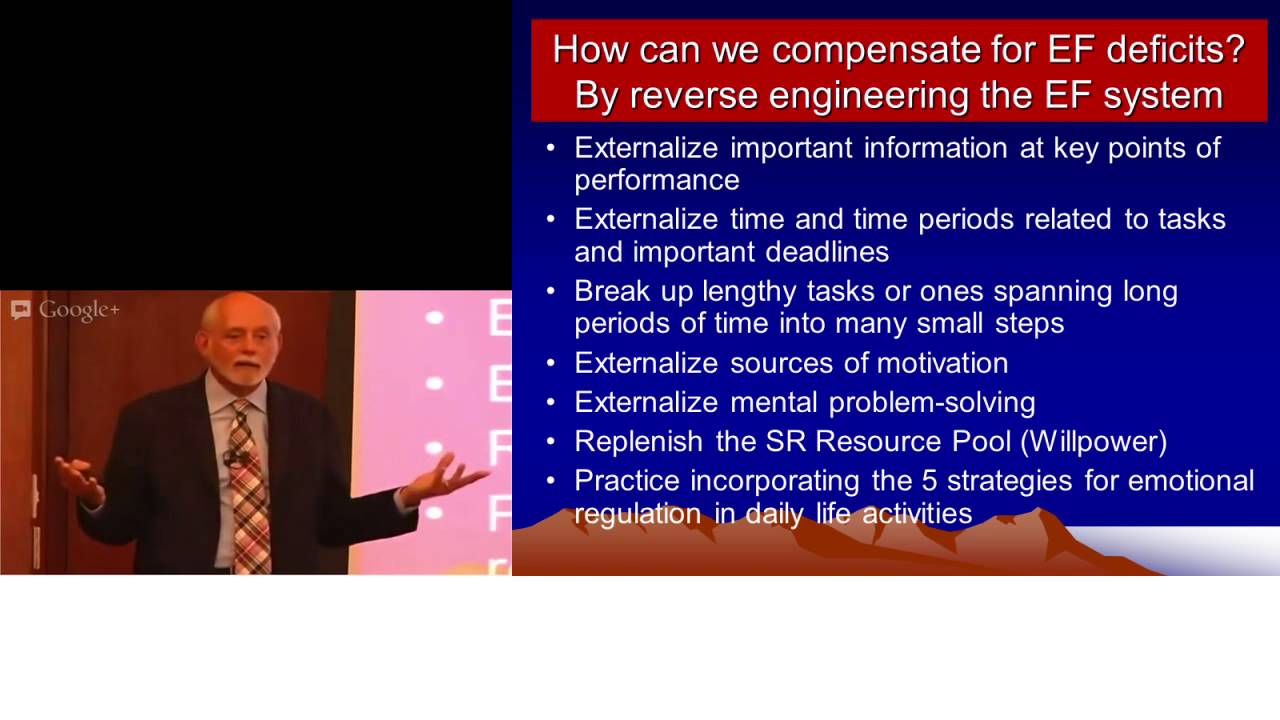
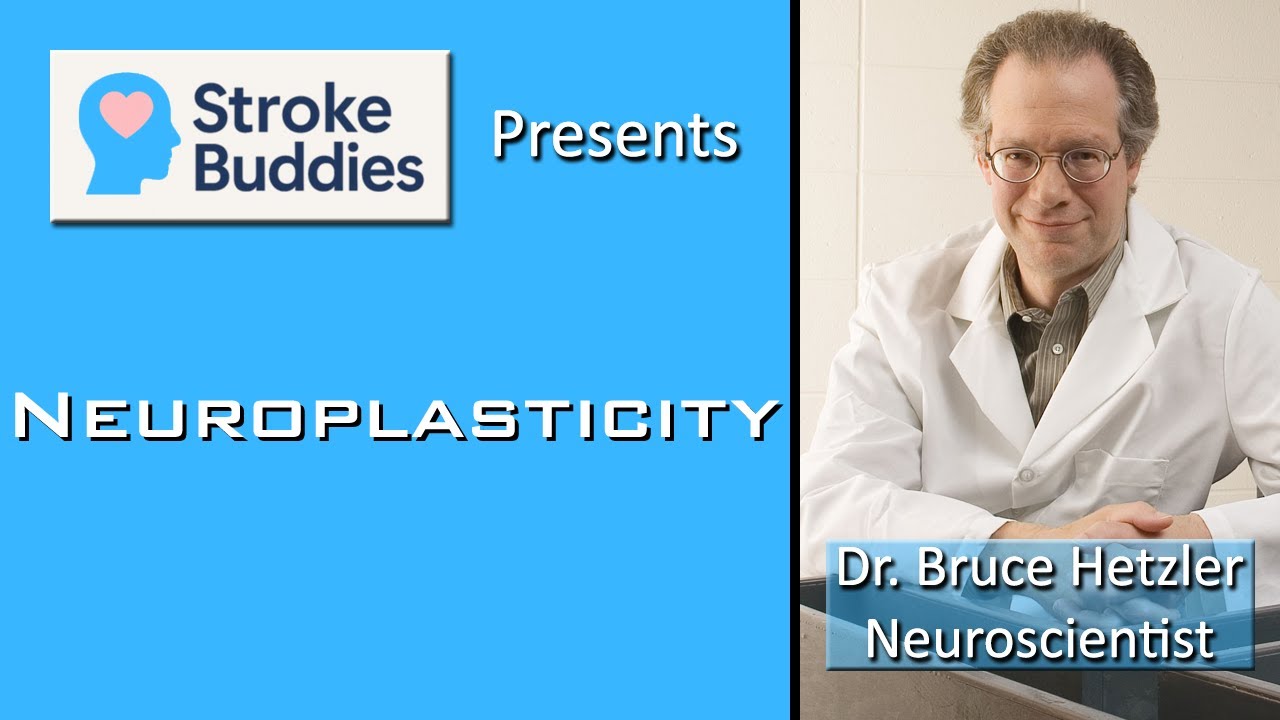
Stroke Buddies 20, Neuroplasticity, Dr. Bruce Hetzler
Автор: Stroke Buddies / RalphPrestonVideo
Загружено: 2021-08-18
Просмотров: 2019
Описание:
Brain Rewiring After Stroke: The Science of Neuroplasticity Explained
Subscribe to our channel to support us and other stroke survivors
In this video, Dr. Bruce Hetzler, a professor of psychology, neuroscientist, and stroke survivor shares his expertise on neuroplasticity. Dr. Hetzler survived a hemorrhagic stroke in 2011 that doctors initially thought would be fatal. He explains how the brain can rewire itself after injury, discusses effective rehabilitation strategies, and offers hope for continued recovery well beyond the traditional 6-month timeline many doctors reference.
Your support makes a difference! Stroke Buddies is entirely volunteer-run, and every penny of your contribution helps us continue producing these valuable videos and resources for the stroke community. Even small donations create enormous impact in helping stroke survivors and their families find hope and practical recovery strategies.
https://www.strokebuddies.org/donate
Get access to all of the content & services available at Stroke Buddies on our website
https://www.strokebuddies.org/
Timestamps:
0:00 - Dr. Hetzler shares personal stroke experience and recovery journey
5:20 - Definition of neuroplasticity: brain's ability to rewire throughout life
9:45 - Disproving the "6 month recovery limit" myth with science
12:30 - Massed vs. distributed practice: which is more effective for recovery
16:10 - Three ways to improve function: physical movement, mental imagery, observation
19:25 - Exercise promotes BDNF: the "miracle grow" for brain recovery
22:15 - Avoiding "learned non-use" through consistent practice
25:40 - Quality vs. quantity in rehabilitation exercises
30:05 - How undamaged brain areas can take over lost functions
36:15 - Recommended resources for stroke recovery
Dr. Bruce Hetzler explains neuroplasticity as the brain's ability to change and form new neural connections throughout life. Despite common medical advice that recovery plateaus after 6 months, neuroplasticity continues "from cradle to grave," enabling continued improvement with dedicated practice. "Massed practice" (long continuous sessions) proves more effective than distributed practice for rewiring the brain. Recovery can happen through three methods: physical movement, mental imagery, and observing others move. Exercise increases BDNF ("miracle grow for the brain"), promoting neural growth and connections. To prevent "learned non-use," it's crucial to use affected limbs daily. When brain areas are damaged, other regions can take over functions - for example, the 10% control the left brain has over the left side can strengthen if the right brain is damaged. Quality matters, but imperfect practice beats no practice.
Recommended resources include "Stronger After Stroke" by Peter Levine, "The Brain That Changes Itself" by Norman Doidge, and "My Stroke of Insight" by Jill Bolte Taylor.
Join our Facebook Group for community support and discussions
/ strokebuddies
Click this to get links for all our Zoom meetings and Stroke Buddies Groups
/ sblinks
Повторяем попытку...
Доступные форматы для скачивания:
Скачать видео
-
Информация по загрузке: