Movement V — Resurrection Farrenc‑inflected, Variation‑Form, Purified Waltz
Автор: East Meet West
Загружено: 2026-03-18
Просмотров: 9
Описание:
Movement V — Resurrection
The final movement draws on the brighter, more expansive qualities of Farrenc’s variation writing—especially the concluding variations of Op. 4 and Op. 25. Her music often ends with purified textures, open harmonies, and radiant melodic arcs, suggesting resolution without sentimentality. This becomes the sound of moral resurrection: spacious, honest, and clear. Farrenc’s Classical roots ensure that the ending is not triumphant but balanced and truthful, mirroring Tolstoy’s belief that redemption is a quiet, inward act. Her music gives the final movement its sense of light, dignity, and earned clarity.
Movement V — Resurrection
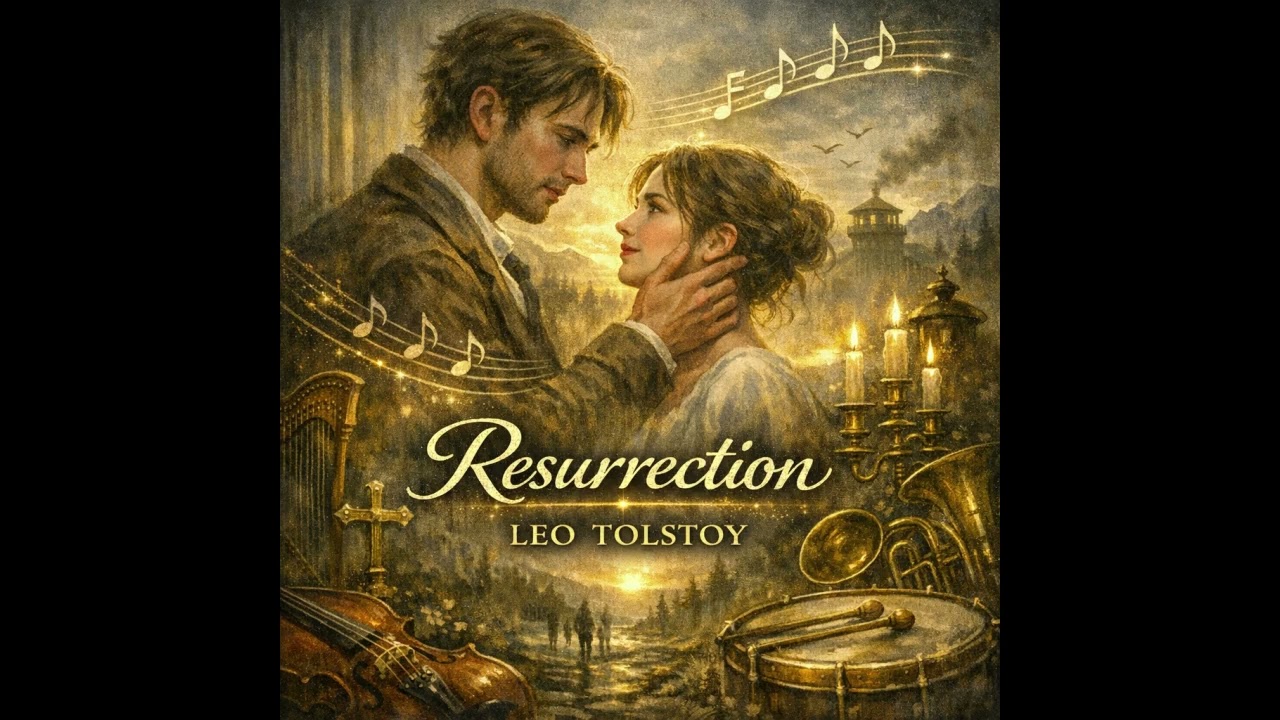
The final movement is not a romantic reunion but a spiritual resolution. Maslova chooses her own path, finding companionship with another prisoner who has shown her genuine kindness. Nekhlyudov accepts her choice with humility, realizing that true redemption does not demand possession or reward.
He steps into a new life with a conscience awakened, a heart clarified, and a commitment to justice that extends beyond Maslova. Tolstoy ends the novel not with triumph but with truth—the understanding that resurrection is an inner act, a turning toward light after years of darkness.
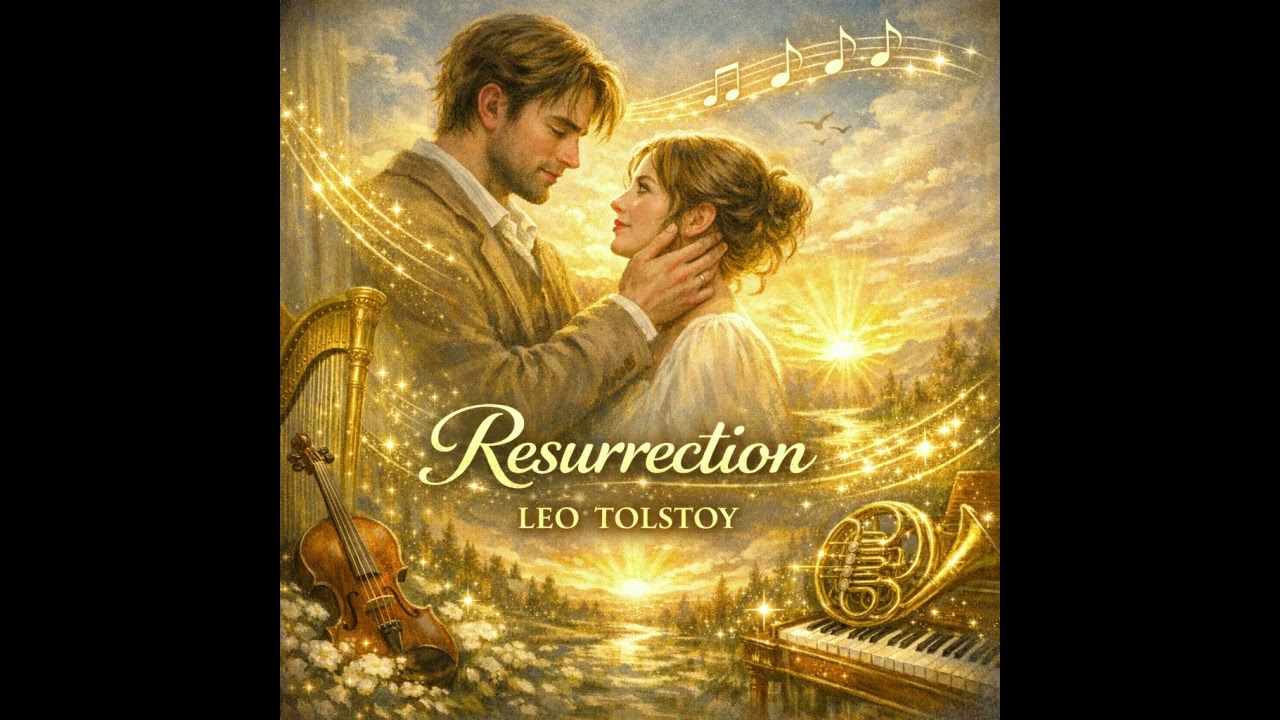
This movement is spacious, purified, and radiant. The waltz returns, not as memory but as renewal. The past settles behind him, and the horizon opens before him. It is the hour of resurrection, when the heart returns to itself and chooses to walk forward unafraid.
Повторяем попытку...
Доступные форматы для скачивания:
Скачать видео
-
Информация по загрузке: