The good life of method book summary
Автор: smartgroupinsurance
Загружено: 2025-02-01
Просмотров: 31
Описание:
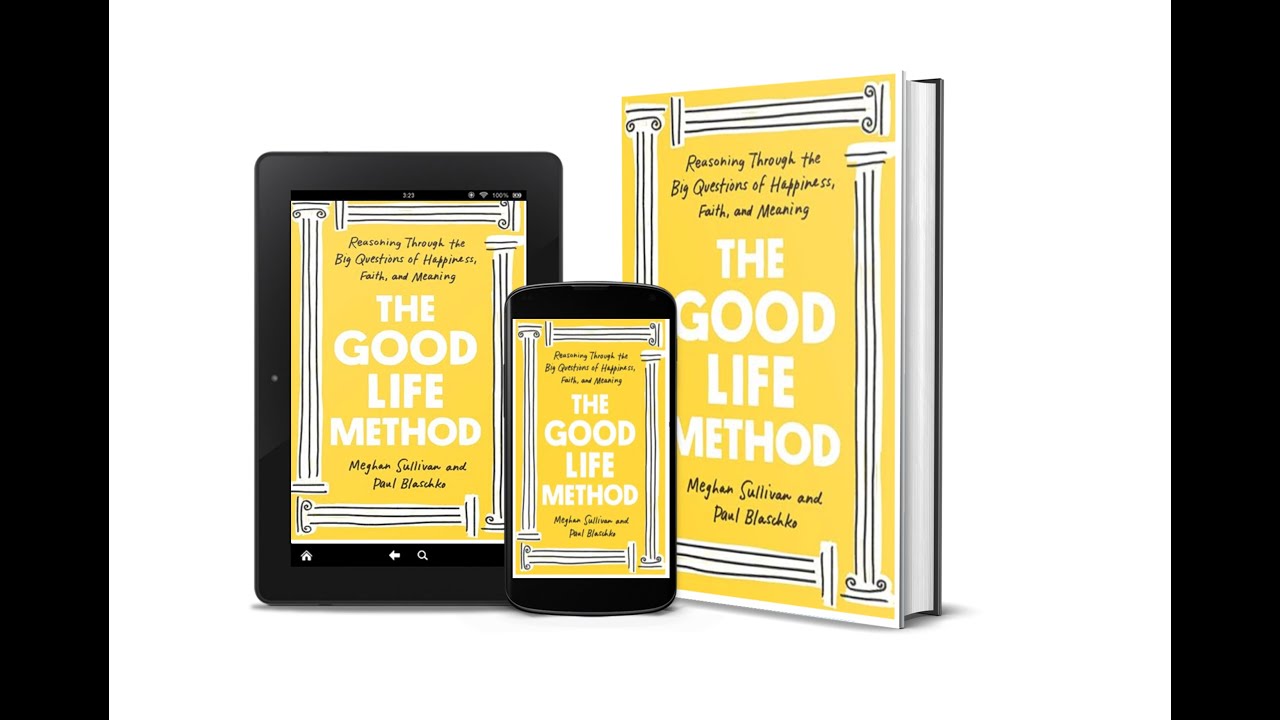
Summary of "The Good Life Method" by Meghan Sullivan & Paul Blaschko
Introduction
"The Good Life Method" is a thought-provoking book by Meghan Sullivan and Paul Blaschko, both professors of philosophy at the University of Notre Dame. The book explores how ancient philosophical principles, particularly those of Aristotle, Socrates, and Stoic thinkers, can be applied to modern life to help individuals achieve happiness, purpose, and fulfillment. Through engaging discussions, real-life examples, and reflective exercises, the authors provide readers with tools to navigate moral dilemmas, make better life decisions, and cultivate virtues that lead to a meaningful existence.
This summary highlights the book’s main themes, core principles, and practical applications.
Chapter 1: The Purpose of Philosophy in Everyday Life
The book begins by discussing why philosophy matters in everyday life. Sullivan and Blaschko argue that philosophy isn’t just an abstract academic subject; rather, it is a practical discipline that helps us answer life’s most important questions:
What does it mean to live a good life?
How can we make ethical decisions?
What role do virtues play in our happiness?
Drawing from Socrates' method of questioning, they encourage readers to engage in self-examination and reflect on their core beliefs. Philosophy, they assert, provides a framework for deep thinking and self-improvement, leading to greater clarity and purpose.
Chapter 2: Happiness and the Meaning of Life
A major theme of the book is happiness—what it means and how to achieve it. The authors explore Aristotle’s concept of eudaimonia, often translated as flourishing or living well. Unlike fleeting pleasure, eudaimonia is about long-term fulfillment through virtuous living.
Key Insights:
Happiness is not just about feeling good; it’s about living a meaningful life aligned with virtues like wisdom, courage, and justice.
Pursuing instant gratification (e.g., wealth, fame, power) often leads to emptiness rather than true happiness.
A good life is intentional and purpose-driven, requiring us to develop character and integrity.
The authors encourage readers to reflect on their goals, values, and daily habits to ensure they are aligned with a life of flourishing.
Chapter 3: The Role of Virtue in a Good Life
Virtue is central to Aristotle’s philosophy, and the book explains how developing moral character leads to a good life. The authors discuss four cardinal virtues:
Practical Wisdom (Phronesis): The ability to make sound moral decisions.
Courage: Standing up for what is right, even in the face of fear.
Justice: Treating others fairly and ethically.
Temperance: Exercising self-control and moderation.
Each virtue is illustrated with real-life examples, demonstrating how they can be cultivated in daily life.
Повторяем попытку...
Доступные форматы для скачивания:
Скачать видео
-
Информация по загрузке: