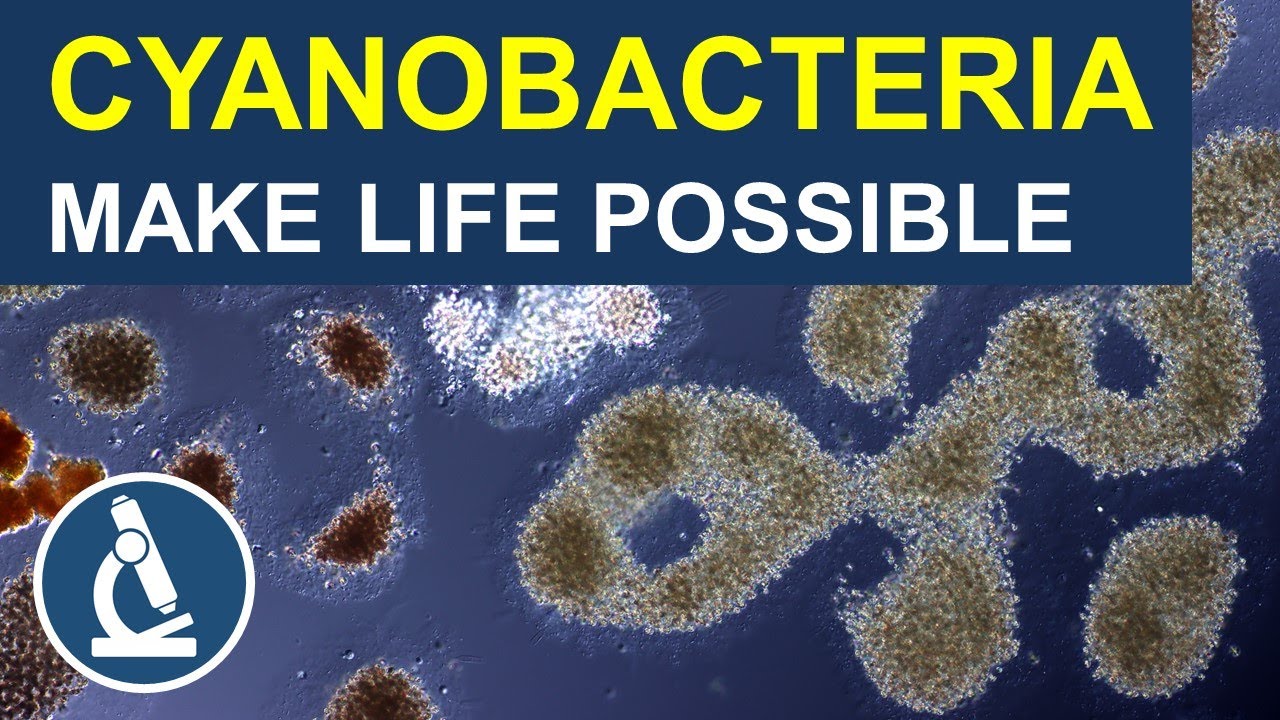
Cyanobacteria Morphology and Cell Structure
Автор: Nikolay's Genetics Lessons
Загружено: 2022-09-02
Просмотров: 836
Описание:
Occurrence of Cyanobacteria:
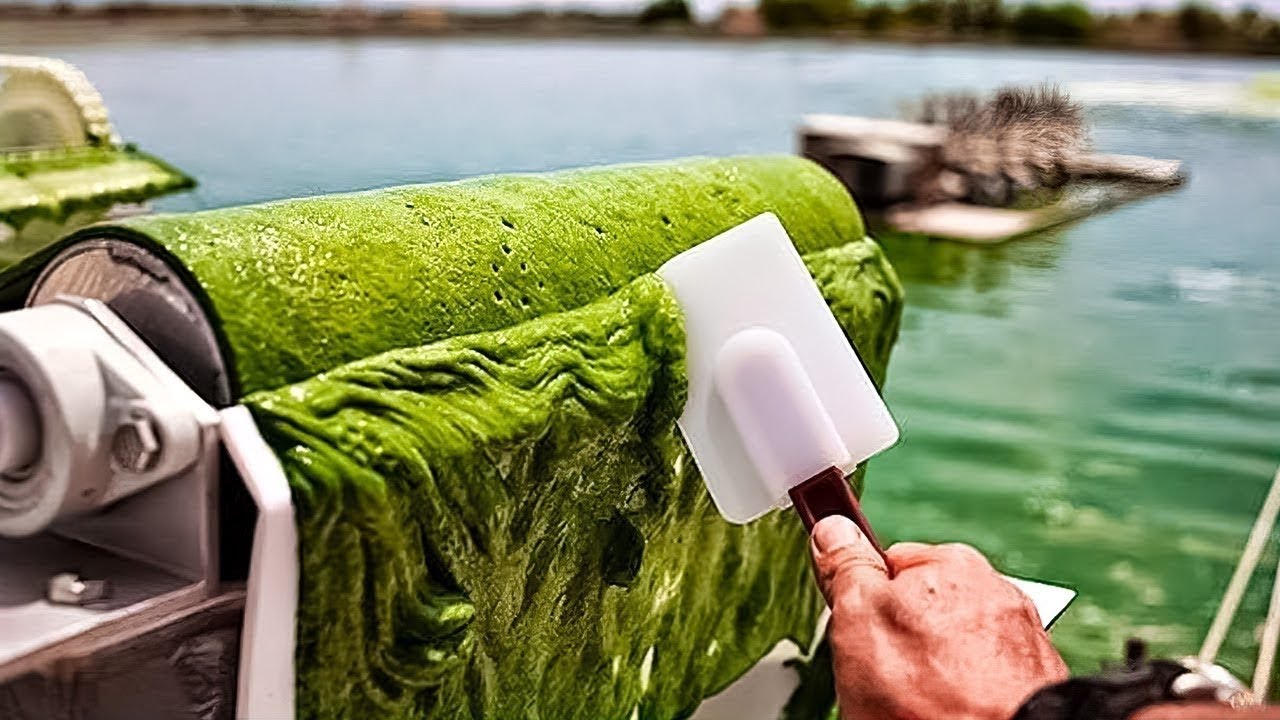
Cyanobacteria or blue green algae are the one of most successful autotrophic organisms on earth which have mastered all types of environments— fresh water, sea water, salt marshes, moist rocks, tree trunks, moist soils, hot springs, frozen waters.
Their abundance can be gauged from the fact that red sea is named after the colouration provided by red coloured planktonic cyanobacteria known as Trichodesmium erythraeum.
ADVERTISEMENTS:
Cyanobacteria are the most self contained photosynthetic organisms. They can, therefore, live under every type of environment and on every type of substrate. Because of this fact, they are one of the earliest colonizers of barren areas. Many of them have the ability of nitrogen fixation.
Morphology of Cyanobacteria:
Cyanobacteria may be unicellular, colonial or filamentous. Each filament consists of a sheath of mucilage and one or more cellular strands called trichomes.
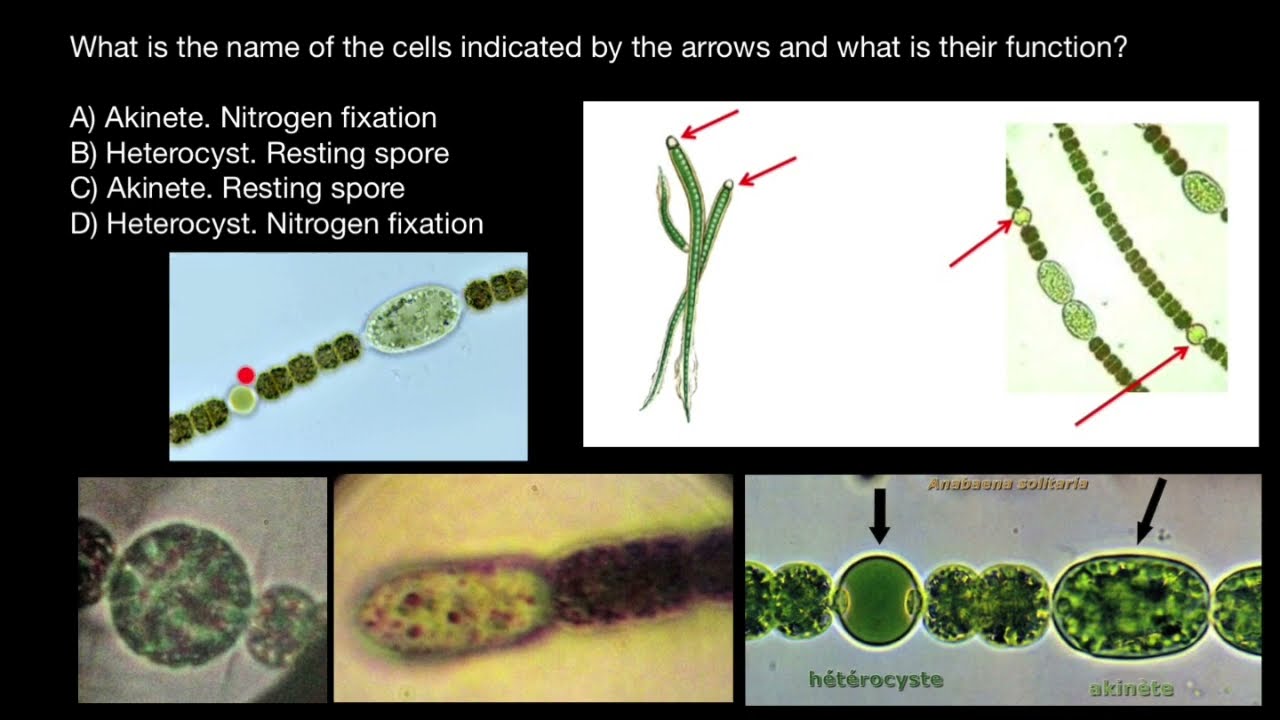
Single trichome filaments may further be of two types, homocystous (= undifferentiated, e.g., Oscillatoria) and heterocystous (= differentiated, having heterocysts, e.g., Nostoc). Spirulina has a spirally coiled filament. Colonies develop in some cases, e.g., Nostoc.
Flagella are absent but gliding movements are known in a number of cyanobacteria. The name Oscillatoria has been given to a common blue green alga on the basis of pendulum like oscillating movements of its anterior region.
Cell Structure of Cyanobacteria:
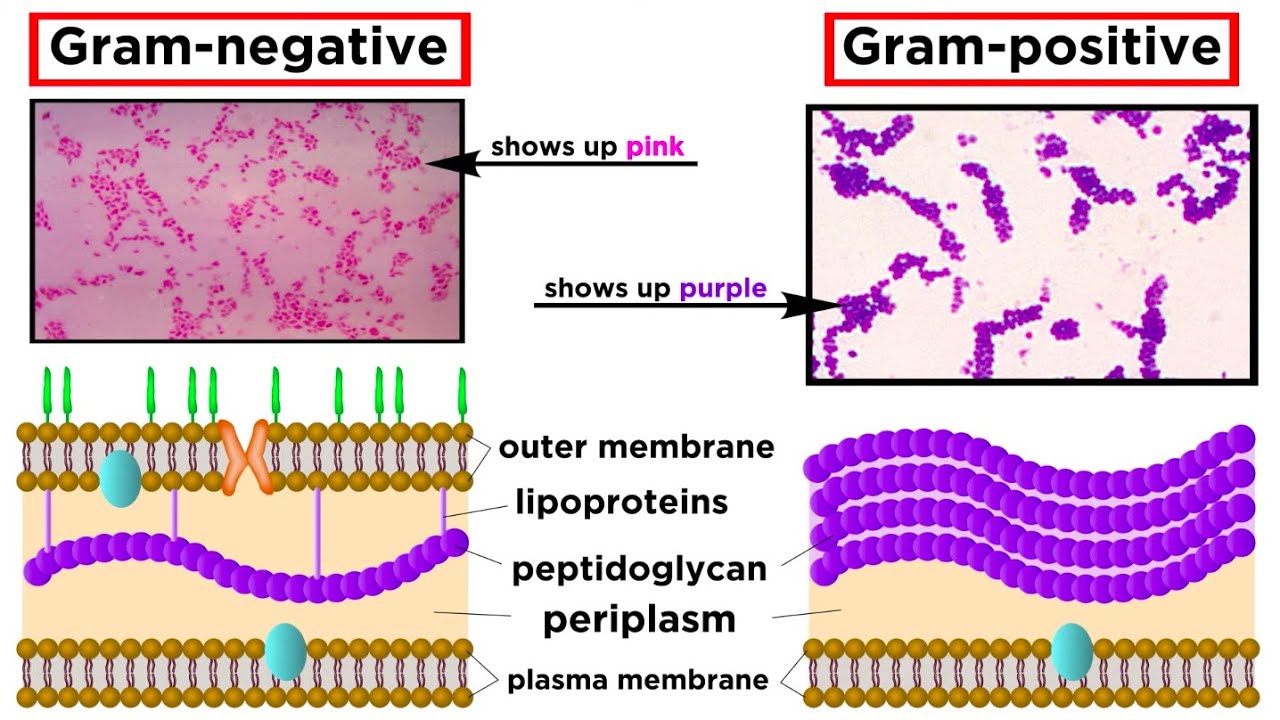
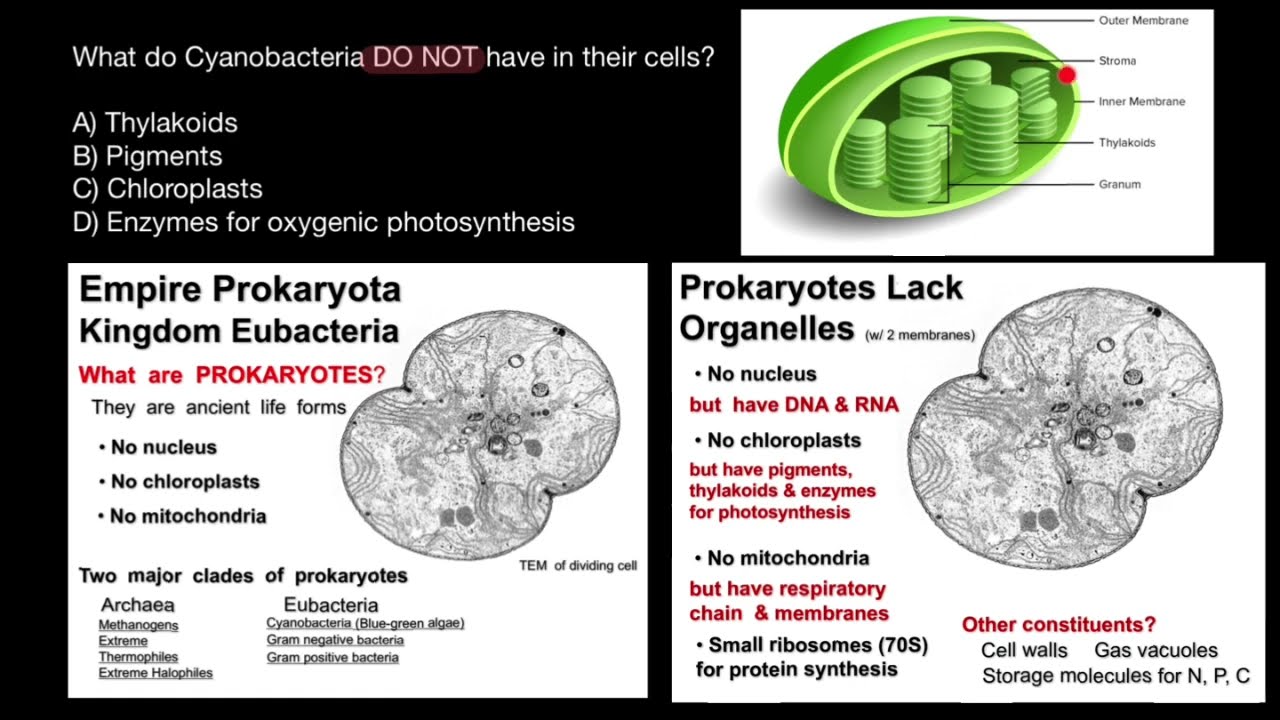
Cyanobacterial cells are larger and more elaborate than bacteria. Cell structure is typically prokaryotic— one envelope organisation with peptidogly can wall, naked DNA, 70S ribosomes and absence of membrane bound structures like endoplasmic reticulum, mitochondria, Golgi bodies, plastids, lysosomes, sap vacuoles.
The cell wall is four layered with peptidoglycan present in the second layer. The outer part of the protoplast contains a number of photosynthetic thylakoids. It is called chromoplasm. The thylakoids lie freely in the cytoplasm. Their membranes contain chlorophyll a, carotenes and xanthophyll’s. Chlorophyll b is absent.
Ultrastructure of a Cyanophycean Cell
Attached to the thylakoid membranes are small granules known as phycobilisomes. The latter possess accessory photosynthetic pigments known as phycobilins. The phycobilins are of three types— phycocyanin (blue), allophycocyanin (blue) and phycoerythrin (red).
Differential formation of phycobilins produces specific colouration which is adapted to absorbing maximum amount of solar radiation. Therefore, cyanobacteria are not always blue green. They may appear purplish, violet, brownish, etc.
Instead of typical vacuoles or sap vacuoles, gas vacuoles or pseudo-vacuoles are found. Each gas vacuole consists of a number of submicroscopic units called gas vesicles. Gas vacuoles function as light screen; provide buoyancy regulating mechanism and pneumatic strength.
A naked, circular, double stranded DNA lies coiled generally in the central part of the cytoplasm known as centroplasm. The coiled up DNA is equivalent to a single chromosome of higher organisms. It is often called nucleoid. Like bacteria, small circular DNA segments may also occur in addition to nucleoid.
They are known as plasmids or transposons. 70S ribosomes occur here and there. Semicircular group of coiled membranes often attaches the plasma membrane with the nucleoid. It is known as lamella some. Four types of inclusions occur in the cells. They are α-granules (cyanophycean starch), β-granules (lipid droplets), volutin granules and polyhedral bodies (ribulose biphosphate carboxylase).
The question:
What do Cyanobacteria DO NOT have in their cells?
A) Thylakoids
B) Pigments
C) Chloroplasts
D) Enzymes for oxygenic photosynthesis
Повторяем попытку...
Доступные форматы для скачивания:
Скачать видео
-
Информация по загрузке: