The Potent Eunuch: The Story of Wei Zhongxian
Автор: Confucius Institute at the University of Michigan
Загружено: 2014-04-14
Просмотров: 6029
Описание:
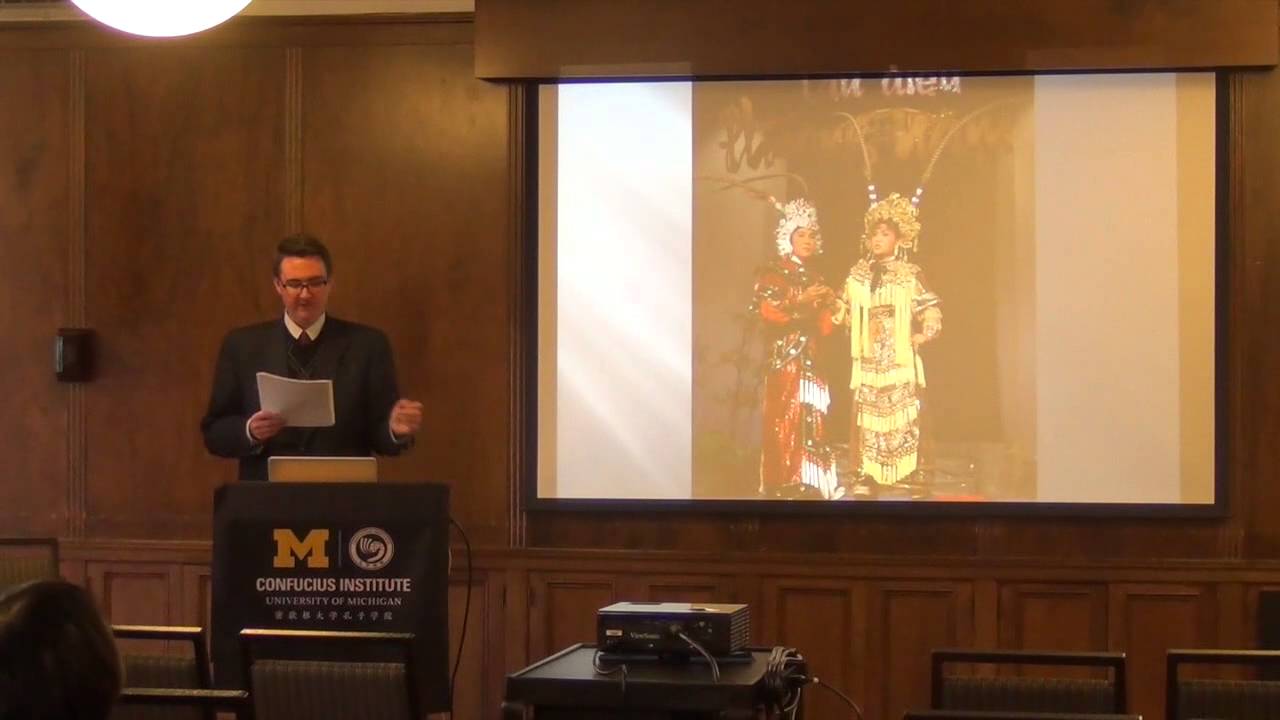
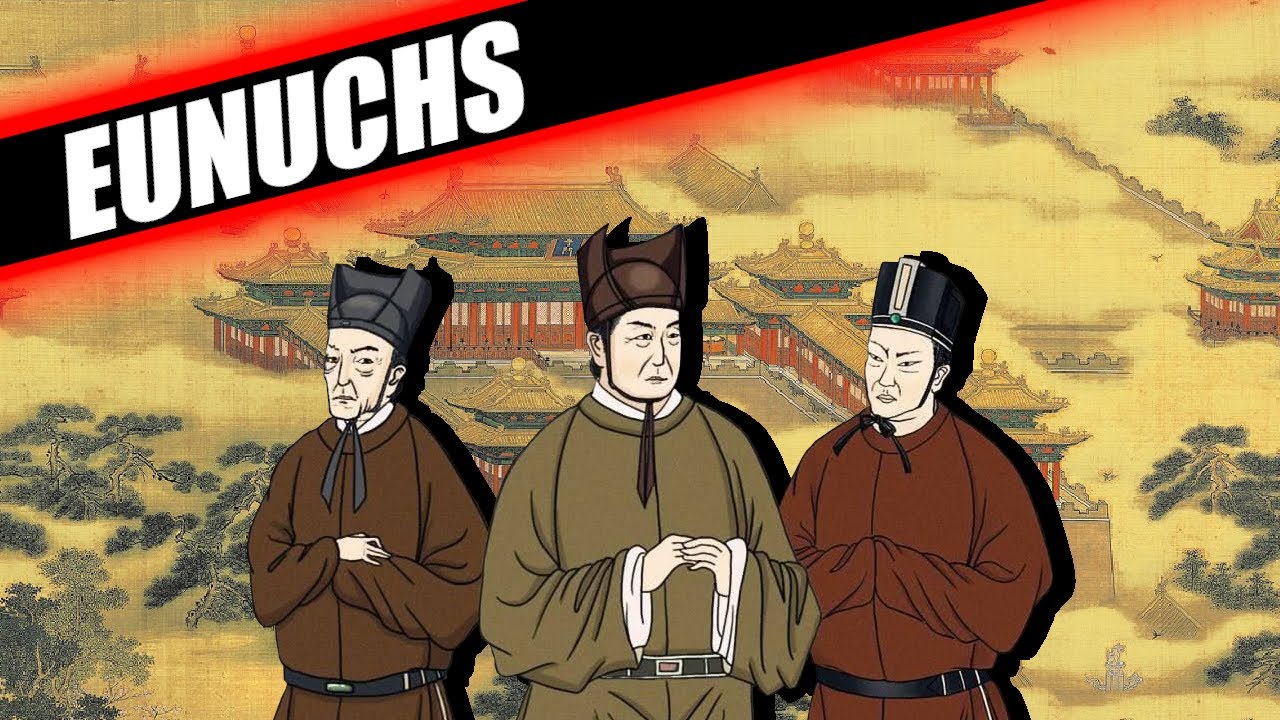
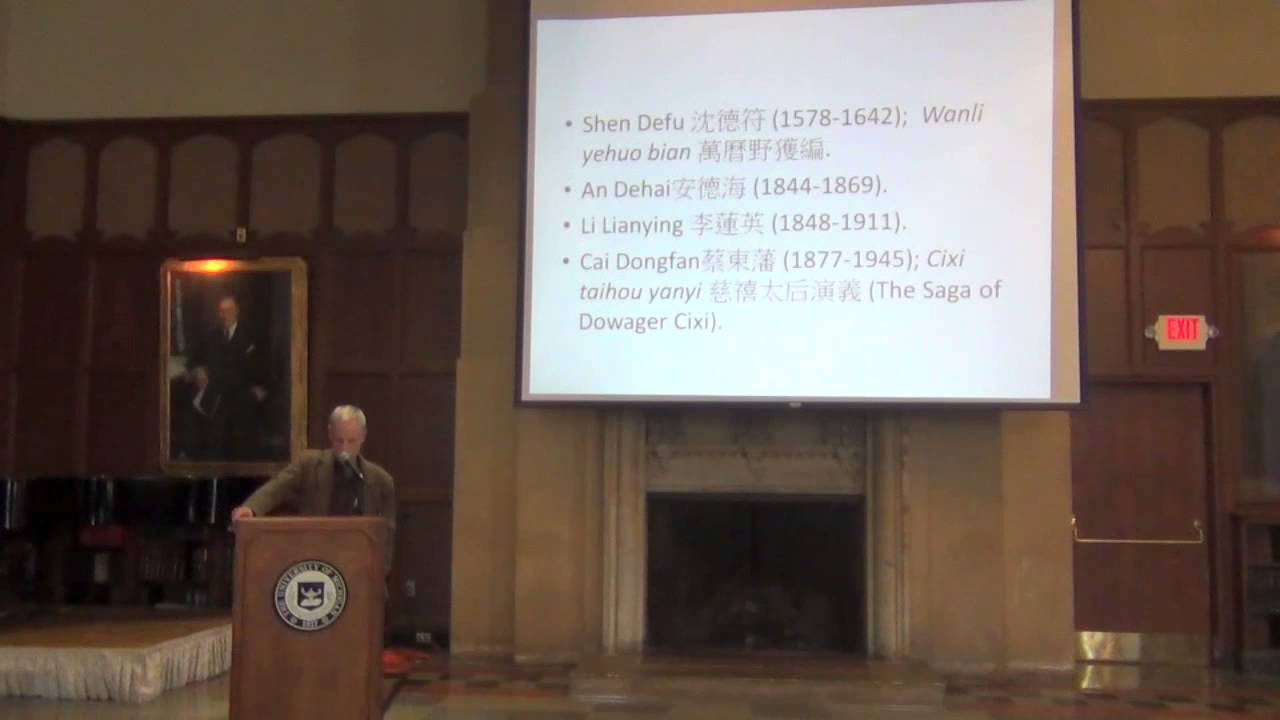
Literary and historical sources assumed ulterior, even diabolical, motives in the man who voluntarily became a eunuch. If he was lucky, he could serve the ruler himself, become his confidant, and perhaps even usurp imperial power. Focusing on Wei Zhongxian (1568-1627) and others from the Ming and Qing, this talk addresses key questions that lurk in the portrayal of eunuch: How and why did a man become a eunuch? What were his motives, as far as can be learned from historical cases; and what did storytellers and other writers think his motives were? In the case of powerful and influential eunuchs, the question also becomes: how, after his act of self-destruction, did the eunuch reconstruct himself? How did he recreate himself as a newly potent man?
Keith McMahon received his B.A. in French and Comparative Literature from Indiana University in 1974, his M.A. in Chinese from Yale University in 1976, and his Ph.D. in Chinese from Princeton University in 1984. He studied one year of Chinese language in Taiwan in 1976-77 and did Ph.D. and post-doctorate research in Shanghai and Beijing for a total of five years between 1979 and 1991. He has taught at the University of Kansas since 1984, where he was chair of the Department of East Asian Languages and Cultures from 1996 to 2008.
In the past decade, he has written on opium smoking in 19th and 20th century China and Euro-America; nineteenth-century fiction and sexuality in China on the verge of modernity; and the history of emperors and their wives and concubines, the institution of imperial polygamy, and the subject of queenship. He has lectured in Chinese and English on these topics in the United States, China, Taiwan, Italy, Germany, the Czech Republic, and France, and has published five books, Causality and Containment in Seventeenth-century Chinese Fiction (Brill, 1988), Misers, Shrews, and Polygamists: Sexuality and Male/Female Relations in Eighteenth-century Chinese Fiction (Duke, 1995), The Fall of the God of Money: Opium Smoking in Nineteenth-century China (Rowman and Littlefield, 2002), Polygamy and Sublime Passion: Sexuality in China on the Verge of Modernity (University of Hawaii Press, 2010), and Women Shall Not Rule: Imperial Wives and Concubines in China from Han to Liao(Rowman and Littlefield, 2013). He is currently writing a second volume to the last book, which will be about the history of imperial wives and concubines from the tenth to early twentieth centuries.
Повторяем попытку...
Доступные форматы для скачивания:
Скачать видео
-
Информация по загрузке: