Don’t Leave The Room - Nadar Ensemble/Elena Evstratova
Автор: nadarensemble
Загружено: 2025-09-09
Просмотров: 691
Описание:
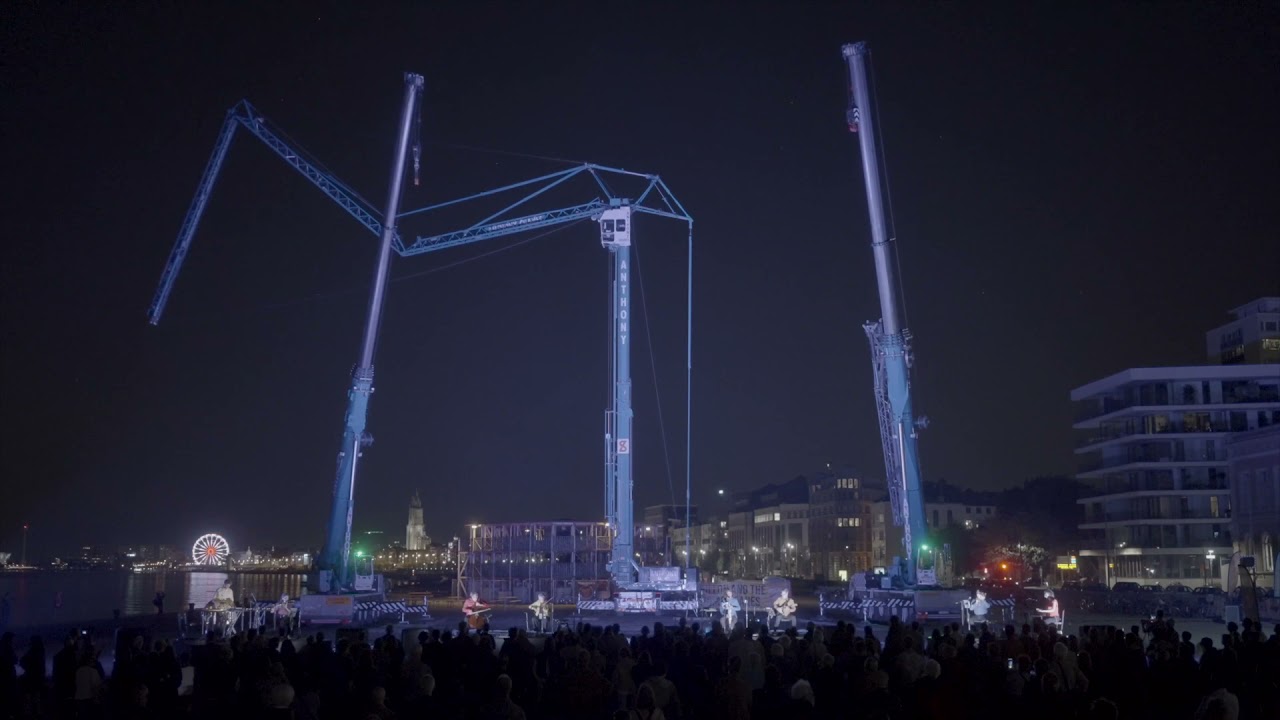
Don’t Leave The Room
Galina Ustvolskaya: Piano Sonata 6 (1988)
Golnaz Shariatzadeh: Bluer Womb (WP)
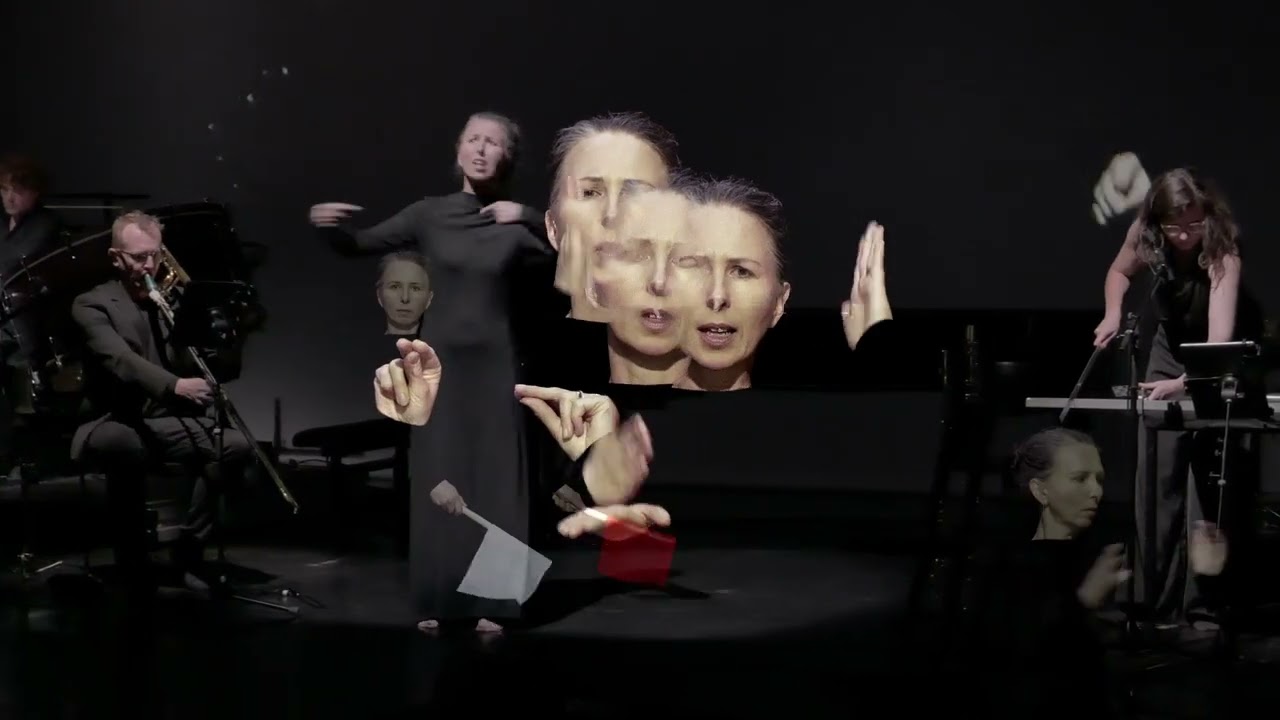
Alexander Khubeev: Don’t leave the room
Based on a poem by Joseph Brodsky
Abbas Kiarostami: The Chorus (1982)
Alexander Khubeev: Silentium! (WP)
Based on a poem by Fyodor Tyutchev
Production: Gaudeamus Utrecht, DE SINGEL, Musica Strasbourg, Muziekcentrum De Bijloke Ghent, Nadar Ensemble, Ultima Oslo Contemporary Music Festival
°Bluer Womb and Silentium! are commissioned by Nadar Ensemble with the support of the Ernst von Siemens Music Foundation
°Silentium! is commissioned by Ultima Oslo Contemporary Music Festival and Gaudeamus as part of the ULYSSES Platform, co-funded by the European Union
Nadar Ensemble
Mar Berendsen, violin // Nico Couck, e-guitar // Elena Evstratova, solo performer // Katrien Gaelens, flute // Yves Goemaere, percussion // Sasha Golikova, video editor Don’t leave the room en Silentium! // Wannes Gonnissen, sound // Robin Goossens, business director // Pieter Matthynssens, cello, artistic director // Elisa Medinilla, piano // Thomas Moore, trombone // Stefan Prins, artistic director // Steven Reymer, video and light // Dries Tack, clarinet // Floor Vandevelde VGT // Veerle Vervoort, production manager
Joseph Brodsky's iconic 1969 poem Don't leave the room has lost none of its relevance today and is the starting point for an interdisciplinary concert. Alexander Khubeev sets this poem about censorship, a pandemic and activism, to music in a very special way and ‘narrates’ the text using sign language. However, this ‘silence’ has a deafening effect in his dystopian sound world. Moved by the Iranian revolution that recently had another climax, Golnaz Shariatzadeh engages in her highly personal way. Remarkably, Shariatzadeh not only composes but also makes animated films, combining both in her creation Bluer Womb. This haunting work about the loss of hope, is set in a post-apocalyptic city. In Abbas Kiarostami's The Chorus, an old man, fed up with the noise pollution in his city, struggles with his hearing aid. His choice of silence, however, symbolises his inability to listen to the younger generation. Galina Ustvolskaya had agoraphobia, but this did not prevent her from writing the most radical music in silence. However, her characteristic repetitive clusters of sound in her piano work could not pass the censorship committee. From a rock-solid conviction, alone in her flat, she wrote revolutionary music that, however, could not be heard.
Trailer: Johann Van Gerwen
Повторяем попытку...
Доступные форматы для скачивания:
Скачать видео
-
Информация по загрузке: