Trap cropping for Spodoptera frugiperda
Автор: 🔬Dr. Yarahmadi's Pest Science Lab
Загружено: 2024-12-07
Просмотров: 27
Описание:
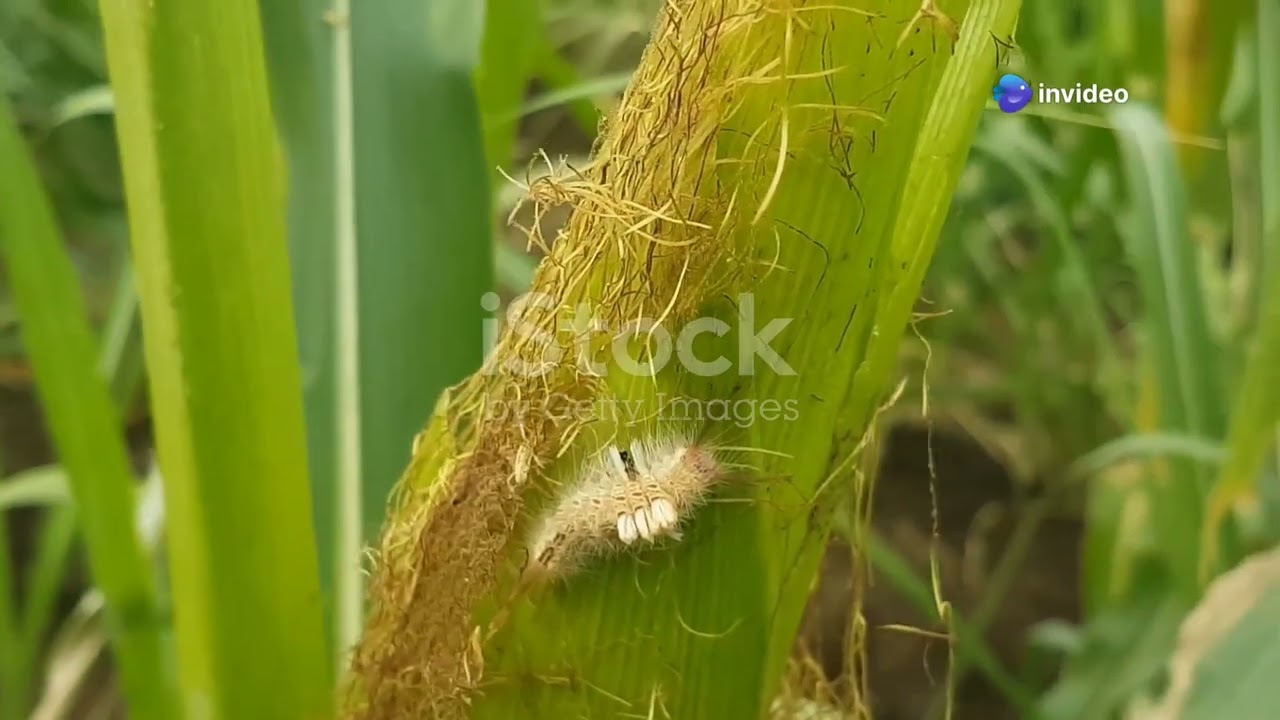
Trap Cropping for Spodoptera frugiperda (Fall Armyworm)
Trap cropping is a strategic pest management practice that involves planting specific crops around or within the main crop to attract Spodoptera frugiperda. These trap crops serve as a decoy, concentrating the pests and reducing their impact on the main crop.
Key Trap Crops:
1. Sorghum
Highly attractive to Spodoptera frugiperda, sorghum can draw pests away from maize, rice, or other susceptible crops.
2. Millet
Acts as an effective trap crop, especially in regions where millet is a common plant.
3. Napier Grass (Pennisetum purpureum)
Highly effective in a "push-pull" system, where it attracts pests while repellent plants (e.g., Desmodium) protect the main crop.
How to Use Trap Crops:
1. Placement:
Plant the trap crops around the border of the main crop (border trap cropping) or in rows interspersed with the main crop (strip trap cropping).
2. Timing:
Sow trap crops slightly earlier than the main crop to ensure they are at a more attractive stage when the pest arrives.
3. Monitoring and Targeted Control:
Inspect the trap crops regularly for pest presence.
Once pests are concentrated on the trap crops, use targeted control measures such as:
Mechanical removal (e.g., handpicking larvae or egg masses).
Biological control (e.g., releasing natural predators like parasitoids or applying biopesticides like Bacillus thuringiensis).
Selective pesticide application, if necessary, to minimize damage to beneficial insects in the main crop.
4. Destruction of Trap Crops:
After pests are concentrated, destroy the infested trap crops by plowing under or removing them from the field to prevent the pest from completing its life cycle.
Benefits:
Reduces pest pressure on the main crop.
Minimizes pesticide use and associated environmental impacts.
Enhances the efficiency of other integrated pest management practices.
Limitations:
Requires additional land and management for trap crops.
May not be effective if not properly timed or monitored.
By carefully planning and maintaining trap cropping systems, farmers can significantly reduce the damage caused by Spodoptera frugiperda.
Повторяем попытку...
Доступные форматы для скачивания:
Скачать видео
-
Информация по загрузке: