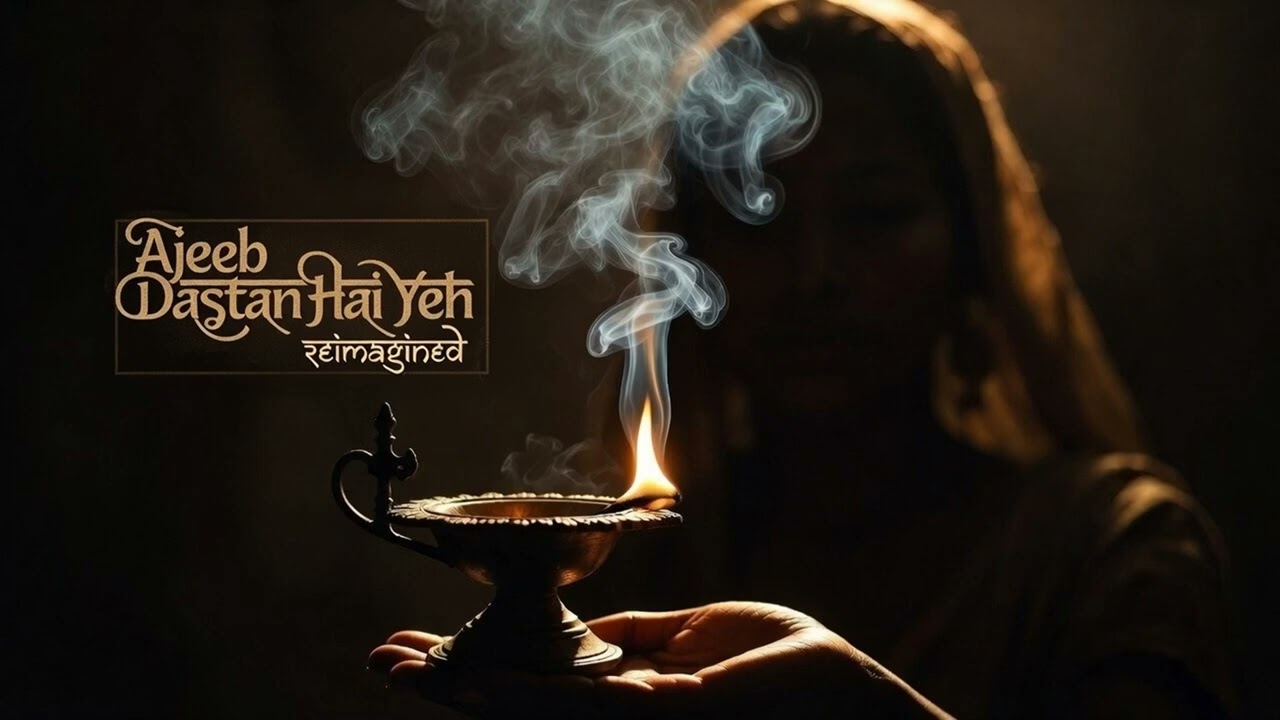
Ajeeb Dastaan Hai | reimagined | अजीब दास्ताँ है ये, कहाँ शुरू, कहाँ खत्म | hope brings pain
Автор: Zeeva
Загружено: 2026-02-20
Просмотров: 22
Описание:
"Dil Apna Aur Preet Parai" (1960), directed by Kishore Sahu, is a poignant romantic drama starring Raaj Kumar as Dr. Sushil Verma, Meena Kumari as nurse Karuna, and Nadira as the affluent Kusum. The plot revolves around Sushil, a dedicated surgeon living with his mother and sister in a Shimla hospital. Karuna, an orphan nurse, joins the staff and develops unspoken affection for Sushil through their professional camaraderie. However, Sushil's mother owes a life debt to Kusum's father, who saved her during an illness. To honor this, Sushil reluctantly marries Kusum, a spoiled socialite, shattering Karuna's hopes. The story explores themes of duty versus desire, with Kusum eventually recognizing the mismatch and facilitating a resolution, though not without emotional turmoil. Amid hospital intrigues and family pressures, love triumphs subtly.
The song "Ajeeb Dastaan Hai Yeh," composed by Shankar-Jaikishan with lyrics by Shailendra and sung by Lata Mangeshkar, appears post-wedding during a celebratory gathering. Karuna performs it, veiled in congratulations for the couple, but it subtly conveys her inner anguish. Picturized on Meena Kumari, it captures her poised yet heartbroken demeanor, with visuals of ocean waves symbolizing emotional waves, enhancing the soap-opera romance.
The lyrics depict love as a bewildering tale ("ajeeb dastaan") with ambiguous starts and ends, questioning destinations neither lovers comprehend. Verse 1 ponders why light (hope) brings smoke (pain), and dreams shatter upon waking—symbolizing illusion in romance. Verse 2 "congratulates" the beloved for becoming another's light ("noor"), yet notes the irony of closeness breeding isolation from the world, highlighting love's sacrificial solitude. Verse 3 foresees the lover building a new world with stolen affection, but evenings will evoke memories, underscoring enduring longing.
Philosophically, it echoes existential themes: love's impermanence, like a lamp's fleeting glow amid smoke, akin to Buddhist notions of dukkha (suffering in attachment). It critiques societal obligations overriding personal truth, portraying destiny as capricious—beginnings blur into ends, destinations elusive. Yet, it affirms love's resilience, transcending loss through memory, inviting reflection on human connections' paradoxical beauty and pain.
Повторяем попытку...
Доступные форматы для скачивания:
Скачать видео
-
Информация по загрузке: