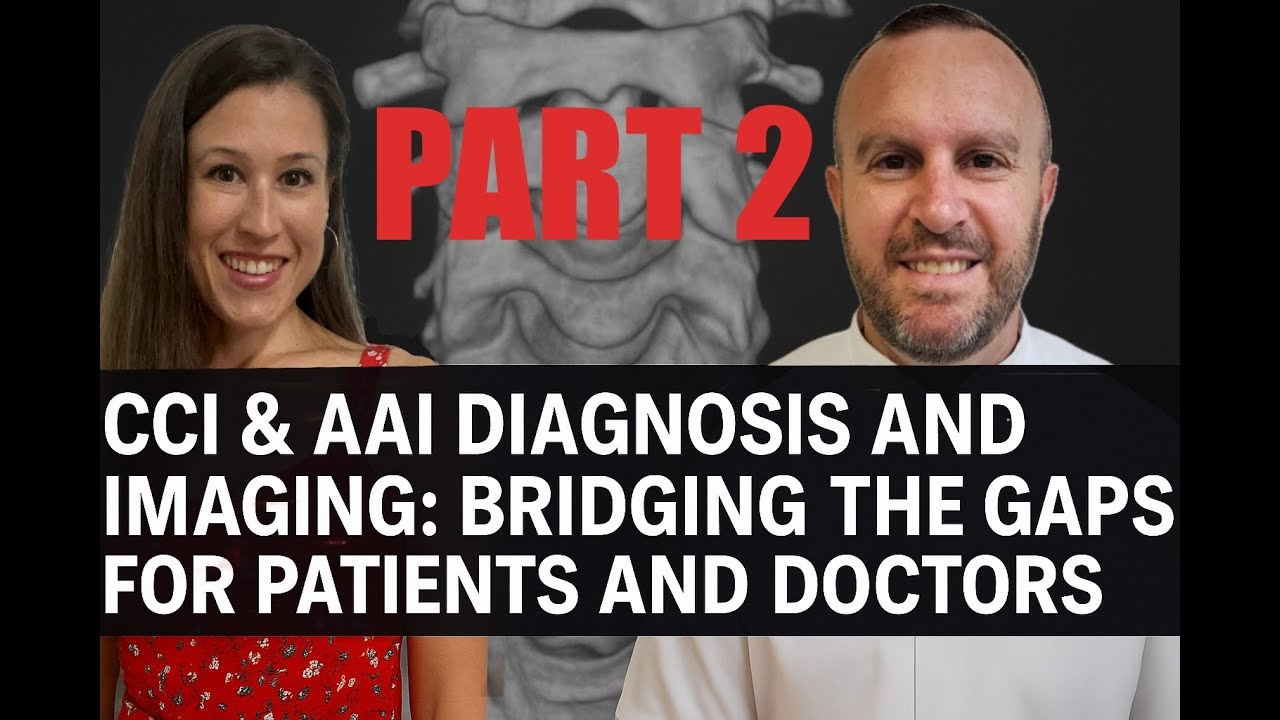
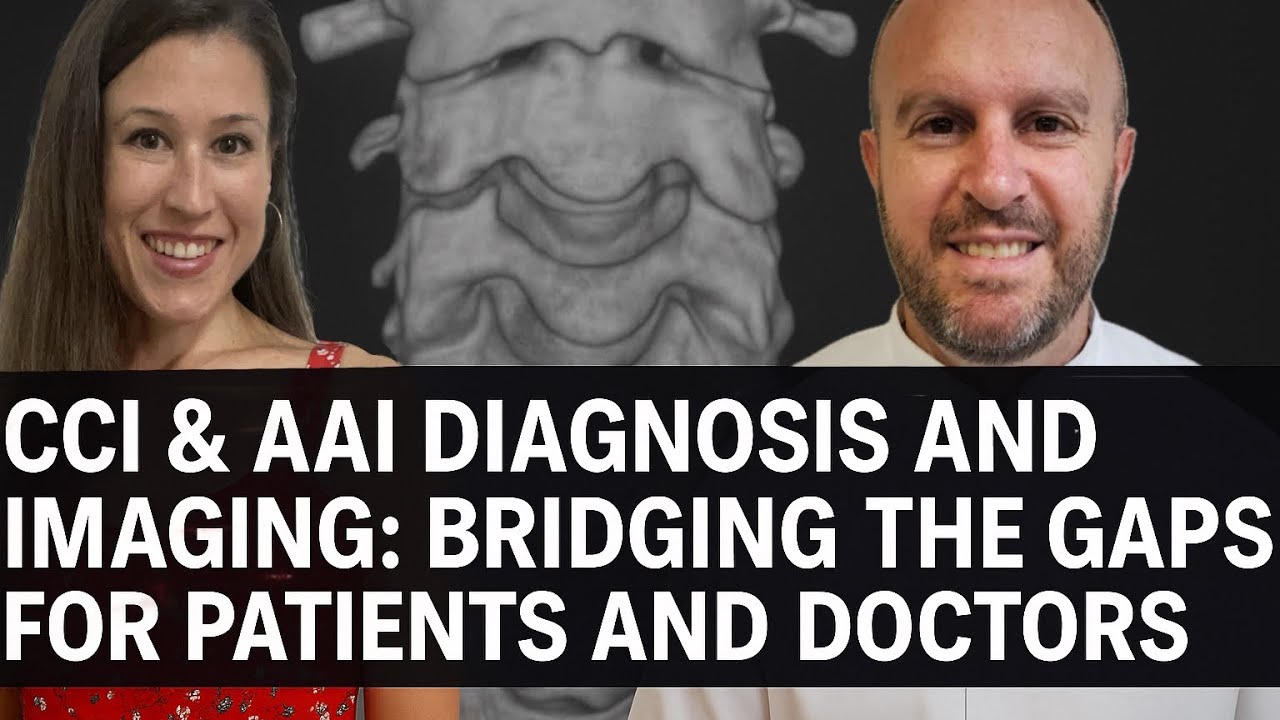
CCI & AAI Diagnosis and Imaging: Bridging the Gaps for Patients and Doctors
Автор: Rachel’s Path: CCI and AAI Awareness
Загружено: 2025-06-05
Просмотров: 1074
Описание:
If you're living with complex symptoms and wondering if Cranial Cervical Instability (CCI) or Atlantoaxial Instability (AAI) could be part of your health picture, this 3 part video series is for you.
CCI Diagnosis and Imaging (Part 2)
• CCI Diagnosis and Imaging (Part 2)
I went 14 years without a diagnosis after a motor vehicle accident. Despite worsening neurological symptoms, the underlying pathology was repeatedly missed, largely due to limited awareness, training, and the lack of appropriate imaging protocols. Change is underway, but there’s still a long way to go before this condition is widely recognized and accurately assessed.
In this video, I sit down with Dr. Sasha Blaskovich of the Whiplash and Injury Clinic. With over 20 years of experience and a personal history with head and neck instability, he’s dedicated his career to helping patients with similar struggles. His education and hands-on work make him a vital voice in this space.
We talk about gaps in diagnostic care, access barriers to proper imaging, and what can help patients like us get answers sooner. This is part one of a three-part conversation, the next video dives even deeper, so please subscribe and stay tuned.
Dr. Blaskovich was the one who helped put the pieces together in my case. Thanks to his respected local reputation, another specialist I was seeing recognized the pattern in my symptoms and referred me to him. That referral changed my life. I was rapidly declining and without timely diagnosis and treatment, I might not have survived. I’m incredibly grateful I met Dr. B when I did.
Now, knowing what I do, I’m focused on helping others identify what might be missing in their own health stories. The more informed we are, the better we can advocate, and the more we can help clinicians recognize and support patients with these real, complex conditions.
Chapters
0:00 – Introduction
Why CCI/AAI requires unique imaging and assessment approaches.
1:00 – An Introduction to Dr. B, CCI, and AAI
How these conditions impact the brainstem, vagus nerve, and multiple interconnected body systems.
Dr. B shares how living with the condition and his own pursuit for answers and management strategies helped shape his clinical practice, advocacy, and dedication to ongoing learning.
5:19 – The Search for Root Cause
What imaging, exams, and specialists do patients often go through before reaching you?
How does a specialty-focused system miss key connections — especially with brainstem-related, multi-system symptoms?
Many patients spend years without a clear diagnosis or treatment path.
8:02 – Why Patient History Matters
Why is a patient’s medical history so important in CCI/AAI evaluation?
What are some commonly misdiagnosed or overlapping conditions and syndromes?
10:26 – The Value of Standard Imaging (With Specialized Protocols)
If standard imaging is all that’s available, what types can still provide meaningful insight — and why?
Topics covered:
• Positional X-rays: their value and limitations
• Sample Digital Motion X-ray (DMX) findings
14:45 – Static vs. Dynamic Imaging
How static imaging is limited and can fail to capture the full extent of instability.
How neuromuscular guarding can minimize findings on static imaging.
Why understanding the degree of movement and ligament damage matters for accurate diagnosis and treatment planning.
18:10 – Comparing Supine MRI and CT
What subtle clues might be visible in supine MRI and CT scans?
Why axial views of the C2 dens are an important clue — and often overlooked even when misalignment is present.
24:29 – Why Diagnosis Matters: Knowing What Treatments to Avoid
Some therapies recommended for other conditions may actually worsen CCI and AAI symptoms and further compromise ligament laxity.
Certain medications may relieve one symptom but exacerbate others — highlighting the importance of accurate diagnosis.
28:34 – The Value of Recumbent Imaging with Positional Views
How recumbent imaging combined with positional assessments can provide valuable insights, especially in regions where upright or dynamic imaging isn’t accessible.
These methods can help patients and physicians identify meaningful diagnostic clues.
29:03 – The Global Need for Radiologist Training in CCI/AAI
Radiologists around the world need more training in identifying and reporting on CCI/AAI.
Although diagnostic criteria exist, they are not yet widely or consistently applied.
When patients are told their imaging is “unremarkable,” it may be because critical findings are missed — especially when scans aren’t evaluated by someone trained in CCI/AAI.
Having imaging reviewed by someone experienced in this condition can be essential for accurate diagnosis and care planning.
Rachel
YouTube & Instagram: @RachelsCCIpath
Facebook: Rachels CCI Path
Dr. Sasha Blaskovich
YouTube: @dr.bsinjuryresources
Instagram: @dr.blaskovich
If this video helped you or could help someone you know:
📌 Save it
👍 Like it
💬 Comment
🔁 Share it
✅ Subscribe
Повторяем попытку...
Доступные форматы для скачивания:
Скачать видео
-
Информация по загрузке: