The 1500-meter Freestyle is a Premier, High-Endurance Event @NIRAA Swimming Championships 2026
Автор: SIM Is Young
Загружено: 2026-03-05
Просмотров: 13
Описание:
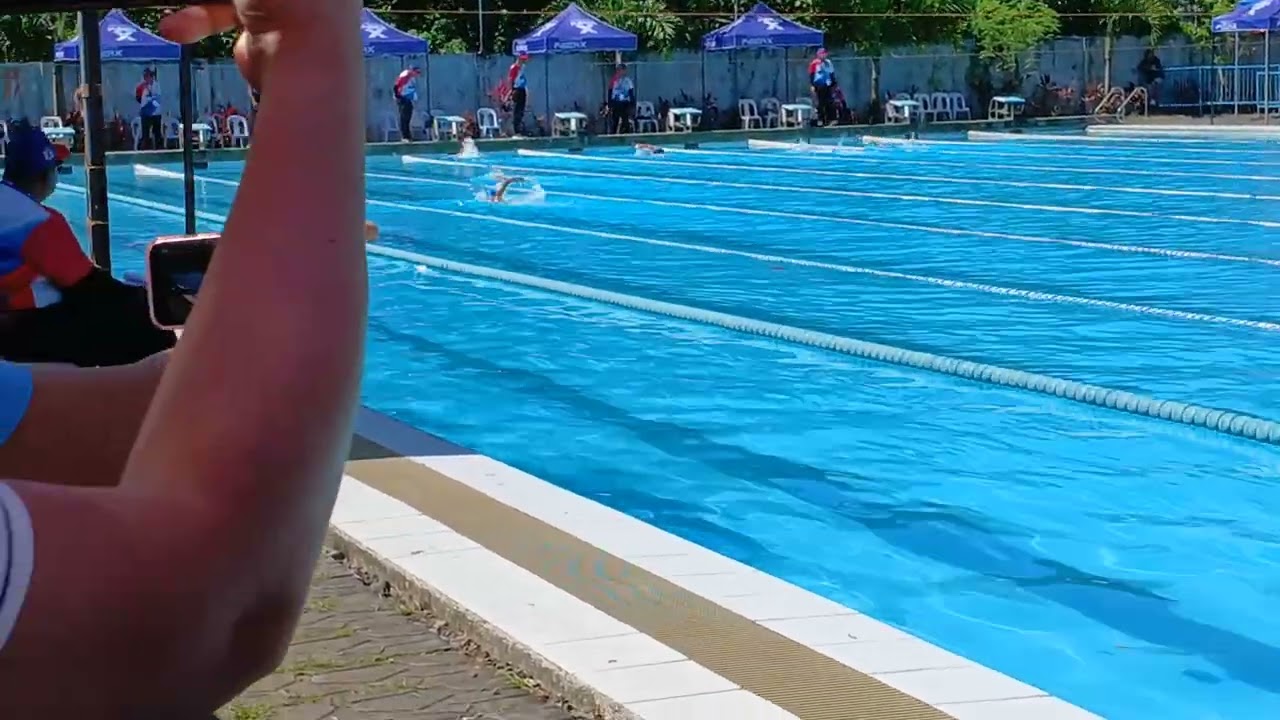
The 1500-meter freestyle (30 laps in a 50m pool) is a premier, high-endurance event, during the Negros Island Regional Athletic Association Swimming Championships (high School Division)
Competitive high school times range from sub-18 minutes for elite swimmers to 20–25 minutes for strong swimmers.
Key strategies include maintaining consistent technique,
proper pacing, and strong flip turns.
The 1500m Freestyle Represents One of Swimming’s Most Demanding
Endurance Challenges
Proposals to make swimming a mandatory part of the 🇵🇭🇵🇭Philippine 🇵🇭🇵🇭K-12 curriculum (often termed the "Drowning Prevention Act") are driven by high youth mortality rates, with drowning as a leading cause of death for children aged 5-14. 😥
Proponents argue it is a vital survival skill, especially given the country's archipelagic nature, high flood risk, and recommendations from organizations like the World Health Organization.
Key Aspects of Proposed Swimming Curriculum:
Target: Mandatory inclusion in public and private elementary and secondary schools.
Purpose: To prevent, reduce, or eliminate drownings.😰
Content: Lessons would focus on water safety, swimming skills, and rescue techniques.
Implementation: Proposed coordination between the Department of Education (DepEd) and the National Disaster Risk Reduction and Management Council (NDRRMC).
Challenges and Considerations:
Infrastructure: Significant scarcity of school swimming pools and facilities.
Funding: Lack of defined funding sources for training instructors and building facilities.
Logistics: The need for certified lifeguards and trained instructors, as well as safe, controlled environments.
While not yet fully mandated nationwide, efforts include legislative action like House Bill 3495 and various proposals along with the integration of swimming within updated, broader physical education initiatives.
😥🥵🥲Over 3,000 Filipinos die from drowning annually, with children under 14 accounting for over a third (35.6%) of these fatalities. Mortality is highest among children aged 1–4 years, making it a leading cause of accidental death for this age group.
Recent data indicates a significant portion of the roughly 3,600+ annual drowning deaths in the Philippines involve children and young people.
Key Statistics on Child Drowning in the Philippines:
Total Burden: More than 3,000 Filipinos die from drowning annually.
Child Vulnerability: Roughly 35.6% of these deaths are children under 14 years of age.
Highest Risk Age: Children aged 1–4 years have the highest mortality rate (6.4 per 100,000).
Leading Cause: Drowning is a top cause of death, often ranking 2nd to 6th among children aged 1–14 depending on the specific age bracket.
Reported vs. Actual: Experts suggest that actual drowning figures, particularly for children, may be higher than recorded.
Common Circumstances:
Accidental drowning often occurs in natural bodies of water.
Drowning for children under 5 often occurs in home pools.
Risks are high during specific periods, such as the summer/Holy Week break.
These figures highlight that drowning is a major, yet often neglected, public health issue in the Philippines, with high fatality rates among the youth. 🥵😥🥲
Many Filipino Physical Education (PE) teachers, particularly in public schools, face challenges in teaching swimming due to a lack of proper skills, training, and available facilities.
This is driven by limited professional development, high costs for training, and a lack of proper aquatic infrastructure. Consequently, many teachers, including those not majoring in MAPEH, may struggle to teach swimming effectively, often relying on theoretical instruction.
Key points regarding this issue include:
Lack of Facilities and Training: A shortage of swimming pools in schools, coupled with high costs, prevents many teachers from receiving formal swimming training, leading to a deficiency in both skills and confidence in teaching aquatics.
Educational Challenges: Teachers often report that they lack the necessary knowledge and tools to provide safe and effective swimming lessons.
Systemic Issues: Non-PE teachers are sometimes assigned to teach PE, which exacerbates the lack of specialized skills in areas like swimming.
Impact on Students: The lack of proper instruction means students may not develop essential swimming and water safety skills, potentially putting them at risk.
Impact on Teachers: Even with high knowledge in other areas, such as dancing or team sports, many teachers in the Philippines face challenges in teaching swimming due to a lack of professional development.
Efforts to address this issue include the use of specialized instructional materials and training programs to enhance teachers' proficiency in swimming and lifesaving techniques.***
Повторяем попытку...

Доступные форматы для скачивания:
Скачать видео
-
Информация по загрузке: