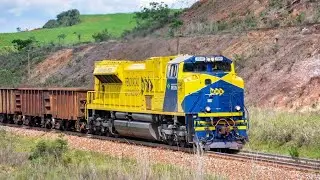
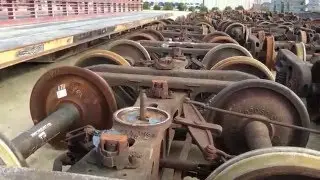
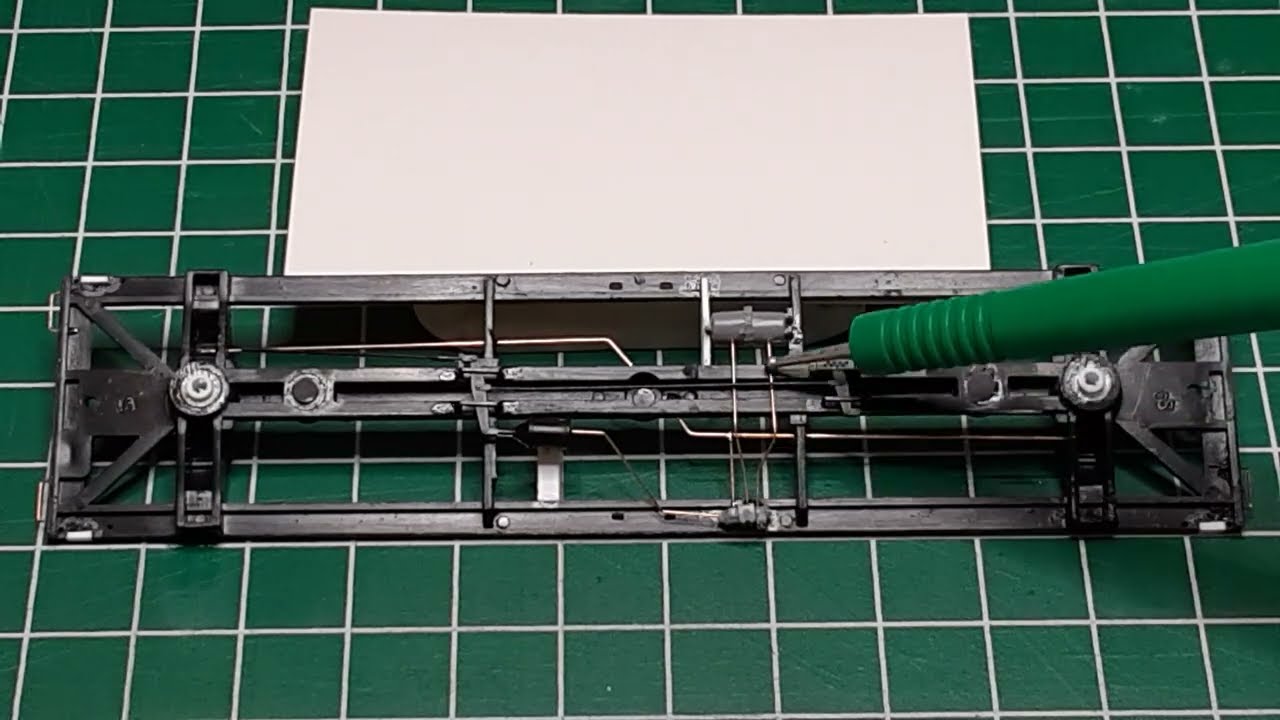
How Railroad Freight Car Brakes Work
Автор: HO Scale Rio Grande in the San Luis Valley
Загружено: 2023-06-24
Просмотров: 4088
Описание:
IMAGINE YOU’RE THE BRAKEMAN on a westbound D&RGW freight train hauling an 88 car consist to Ogden, Utah (The D&RGW calls you a “Trainman”, not a Brakeman.) It is January 13, 1955, and your train has stopped at the top of Tennessee Pass (elevation: 10,212 feet) to allow the helper locomotive to uncouple for its return to Salida, Colorado. Ahead of you is a 21 mile descent to Minturn, with an average downgrade of 2.2% and a maximum grade of just over 3%.
The time is 1:27 AM, the temperature is 11 degrees F, and snow is falling. Operating rules require you to set the retainer valves on every third car in the consist to MP, leaving the others set to EX. This means you must walk the entire train – almost 4,000 feet long – and climb to the top of 29 cars to set their retainer valves. And the entire time you’re doing this, you know that in Minturn, you’ll get to do this all over again to reset those retainer valves to EX...
I have no idea what princely wage you are earning, but surely it is not enough!
For more information on George Westinghouse’s first air brake patent, see US Patent 144,006 “Improvement in Steam and Air Brakes”, October 28, 1873. AB valves have gotten more sophisticated in the last century and a half, but they all build on Westinghouse’s original concept.
------------------------------------------------------------------------------------------------------------------------
This video was edited using Shotcut for Linux. Video footage and still images were recorded using a Galaxy A10e phone and a Nikon D7100 camera.
Повторяем попытку...
Доступные форматы для скачивания:
Скачать видео
-
Информация по загрузке: