Jean Bosco Mwenda - Masanga
Автор: Worldwidewild
Загружено: 2021-05-03
Просмотров: 28870
Описание:
This is a video from 2019. Somehow, I forgot to upload it.
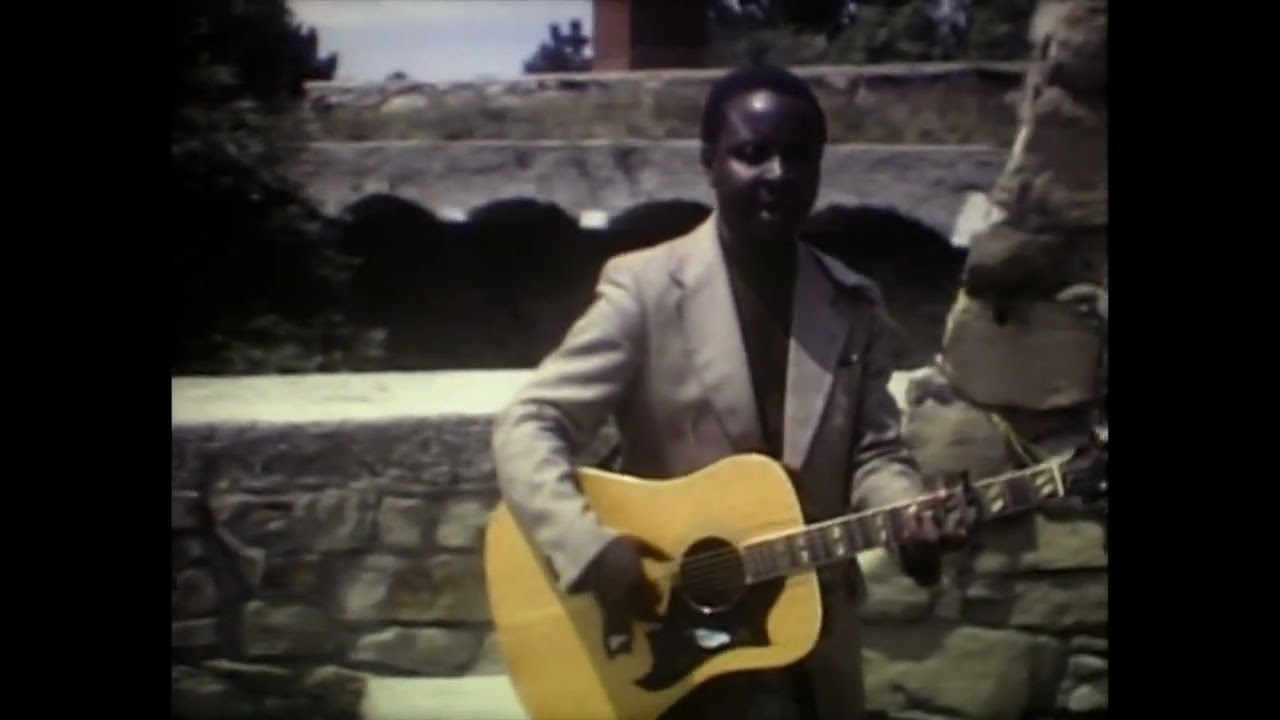
Jean Bosco Mwenda was a famous Congolese guitarist. He has been discovered by South-African music ethnologist Hugh Tracey in the streets of Likasi. This tune is called Masanga. Originally, it also contained singing, but perhaps even more famous is the recording without vocals. It became popular all over Central and East Africa.
Music ethnologist Gerhard Kubik rediscovered Mwenda in 1982 and brought him to Europe for a concert tour and an album recording. Kubik’s film “African guitar” (a master piece and must-have for all interested in African fingerstyle) includes videos of several pieces by Mwenda.
By the end of his life (he died in a car accident), Jean Bosco Mwenda had recorded an impressive number of songs, travelled through several countries of Africa, accompanied Miriam Makeba, and even performed in the USA and Europe. He had been visited by Western musicologists and guitarists who wanted to learn his fingerstyle technique.
Although the guitar part of “Masanga” is not very complicated, it has a strong musical effect. I attribute this effect mainly to the several times repeated passage where the harmony switches to the subtonic. This is an unexpected yet very attractive move. At this point of the melody, one can observe another interesting effect. Mwenda’s fingerpicking technique usually uses only two fingers so that one can never hear more than two notes strung at the same time, one for the bass and one for the melody. However, at this very point of the tune he makes an exception. He strings two melody notes at the same time. The homeopathic dosage of this move in the middle of a consequently kept limitation to only one melody voice and the place where he uses this technique (at the unexpected switch to the subtonic) causes a musical amazement and joy in the listener.
My father used to give this piece to his students as an exercise. They had to write down the tabs only by listening to it. This piece is not too complicated and by studying it this way, one can learn much about the Central African fingerstyle technique. However, it is quite a challenge to learn to play it. It contains some unfamiliar patterns. They testify its uniqueness and the originality of the composer.
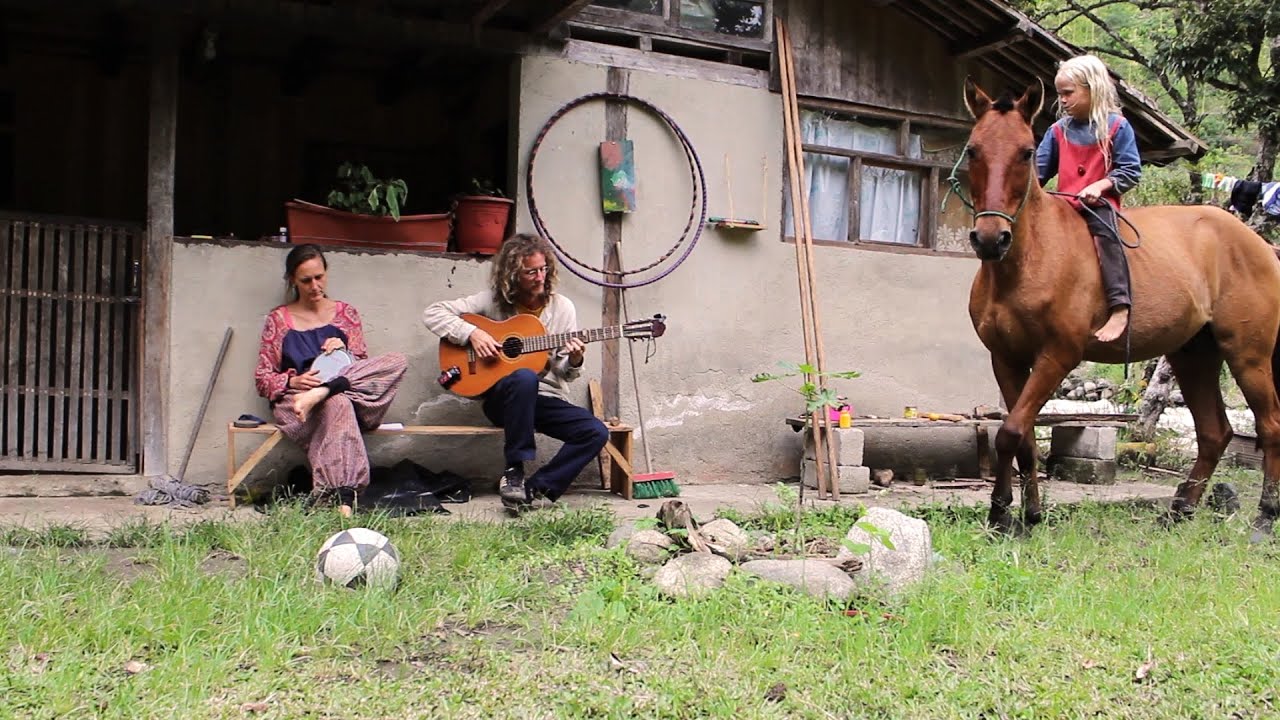
I play this tune with three instead of two fingers and do not strictly keep to the original.
Повторяем попытку...
Доступные форматы для скачивания:
Скачать видео
-
Информация по загрузке: