Social Media Echo Chambers: Fake News & Confirmation Bias
Автор: St Pauls Institute of Communication Education
Загружено: 2019-03-12
Просмотров: 910
Описание:
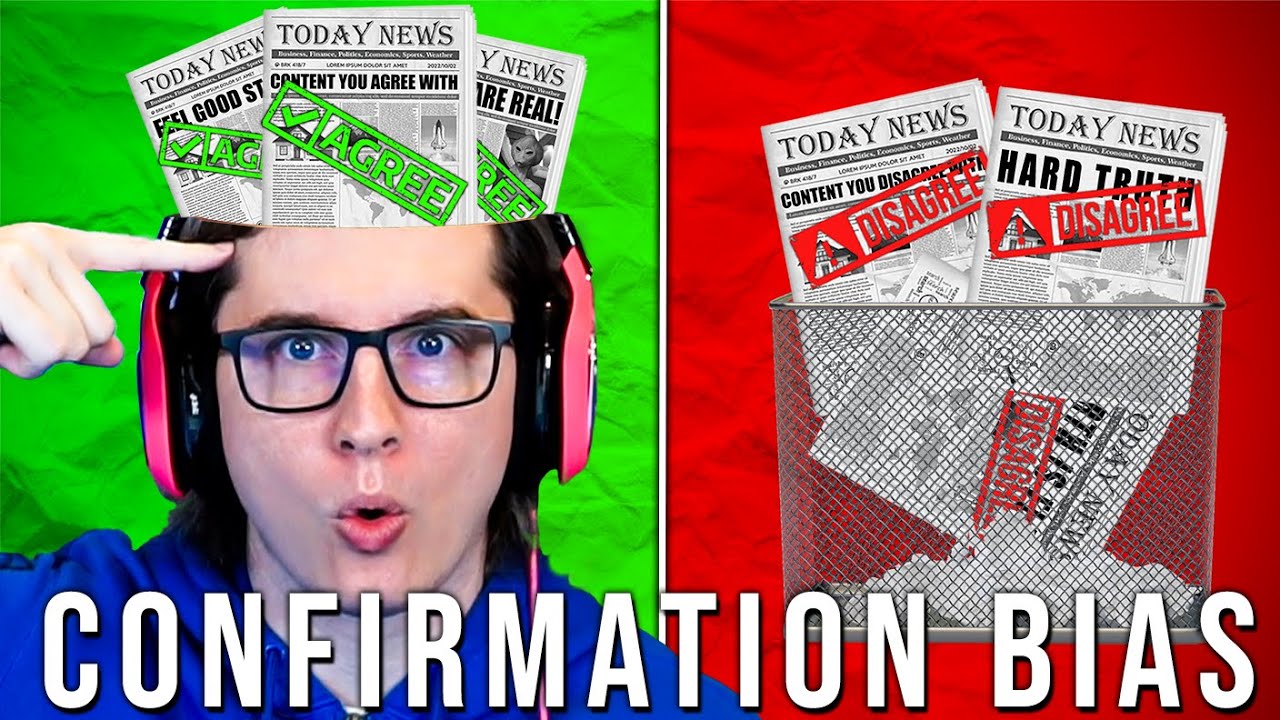
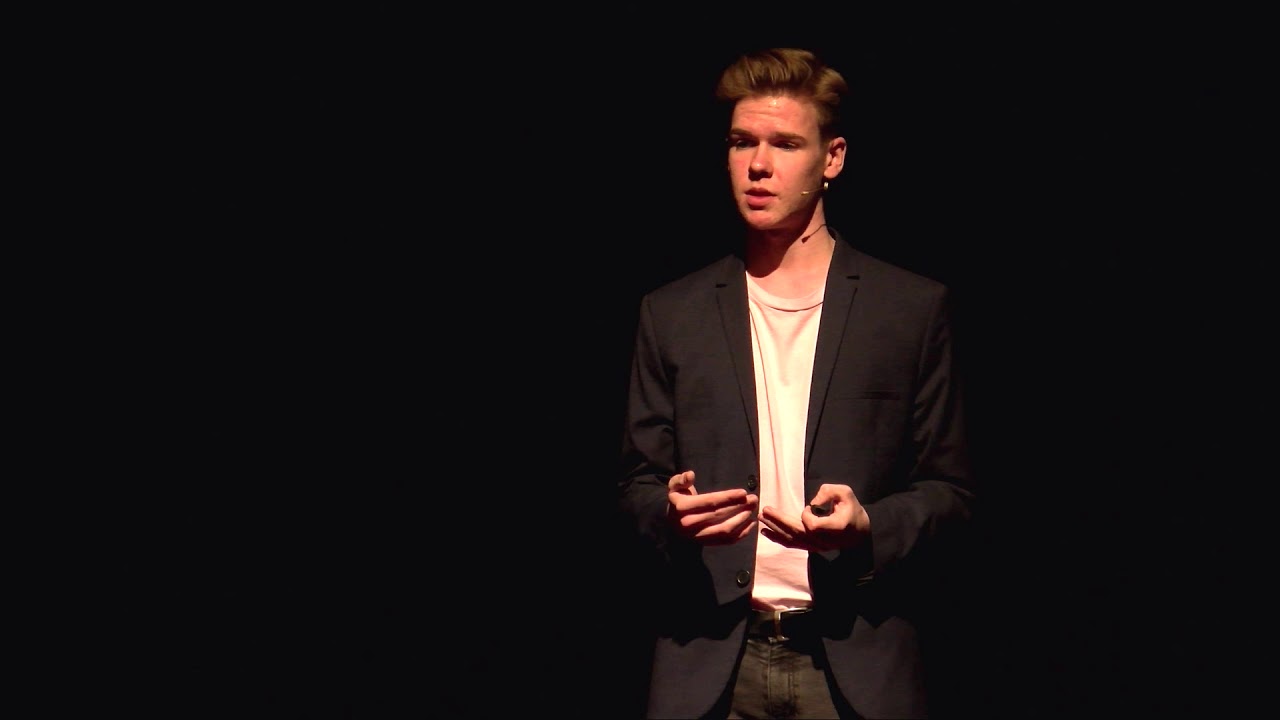
Do you share articles online without fact checking? Do you believe that all your convictions are rational, logical and impartial based on years of experience? Our Diploma in Journalism student Sahil Shaparia explains what confirmation bias is and how it affects you. Check it out, this is a must watch for all social media users.
Script:
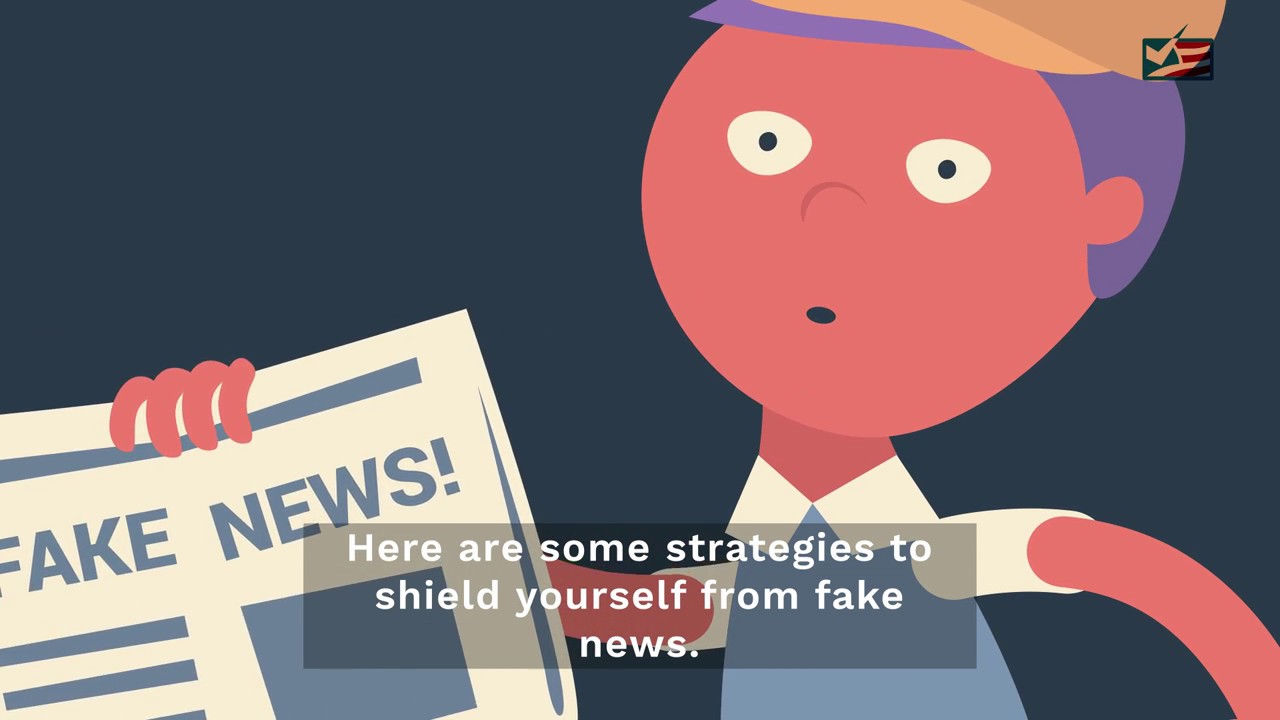
We all have a few people in our social media networks who share ridiculous things. Most of us have also encountered well-informed people who share articles that are clearly incorrect propaganda. Why does this happen? Where do our beliefs and opinions come from? If you're like most people, you might believe that your convictions are rational, logical, and impartial, based on years of experience and analysis of the available information.
When we see new information, we try to decide whether or not to believe it. Generally, if the new information confirms existing beliefs that we hold, we buy into it automatically and hence retweet, like or share it. But if the new information is contrary to what we already know or believe, we’re most likely to discard it in order to maintain cognitive consistency.
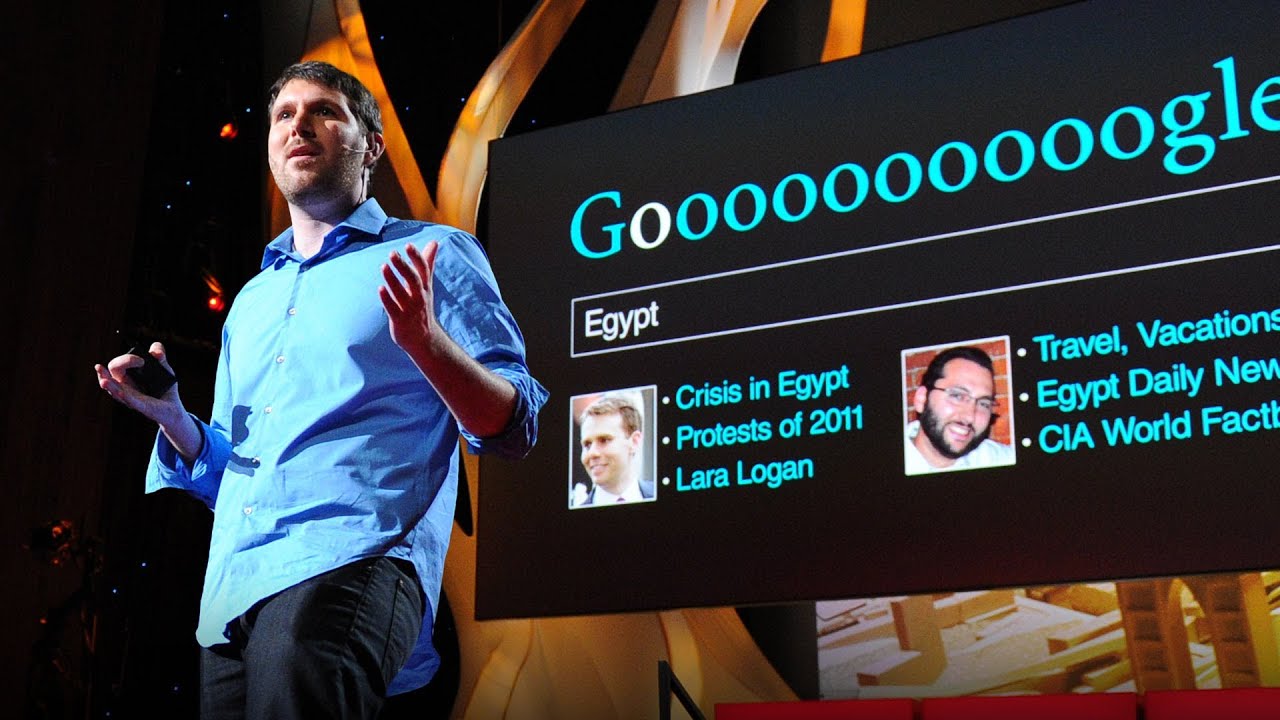
Confirmation bias slowly builds into a virtual bubble of sorts where users are only exposed to ideas they are already inclined to agree with, not thoughts that will challenge their world view. For example, if you believe in right-wing ideology you will find yourself only reading tweets or posts by political parties, news channels or people who support that ideology. The situation is similar if you consider yourself centre-left. For the first time voters, the political landscape of the social media network has massive implications for the upcoming elections. Social media users are more likely to get news that fits their political beliefs – but younger voters don’t necessarily realize how much the echo chamber affects them.
News channels shape our understanding of the world, the kind of people we choose to follow and the way we react around people we disagree with. While we hold the Indian media accountable for the kind of journalism they do, but I believe there are few ways to beat confirmation bias.
Listen: Seek out people with opposing views. Ask them questions. You might find out that what you believed was not true after all.
Get uncomfortable: This may mean going to websites that you don’t like, talking to people you hate, but if you want to understand all sides of an issue, you have to hear from all sides of the issue.
And lastly, use social media intelligently! Remember, social media is biased towards your beliefs. For once try proving yourself wrong. Play devil’s advocate.
Let’s understand our consumption habits and educate ourselves on the blind spots.
Повторяем попытку...

Доступные форматы для скачивания:
Скачать видео
-
Информация по загрузке: