Ancient Korea: Foraging to Farming in Prehistoric Korea, Ecological Knowledge of Neolithic Islanders
Автор: Yale University
Загружено: 2025-05-01
Просмотров: 700
Описание:
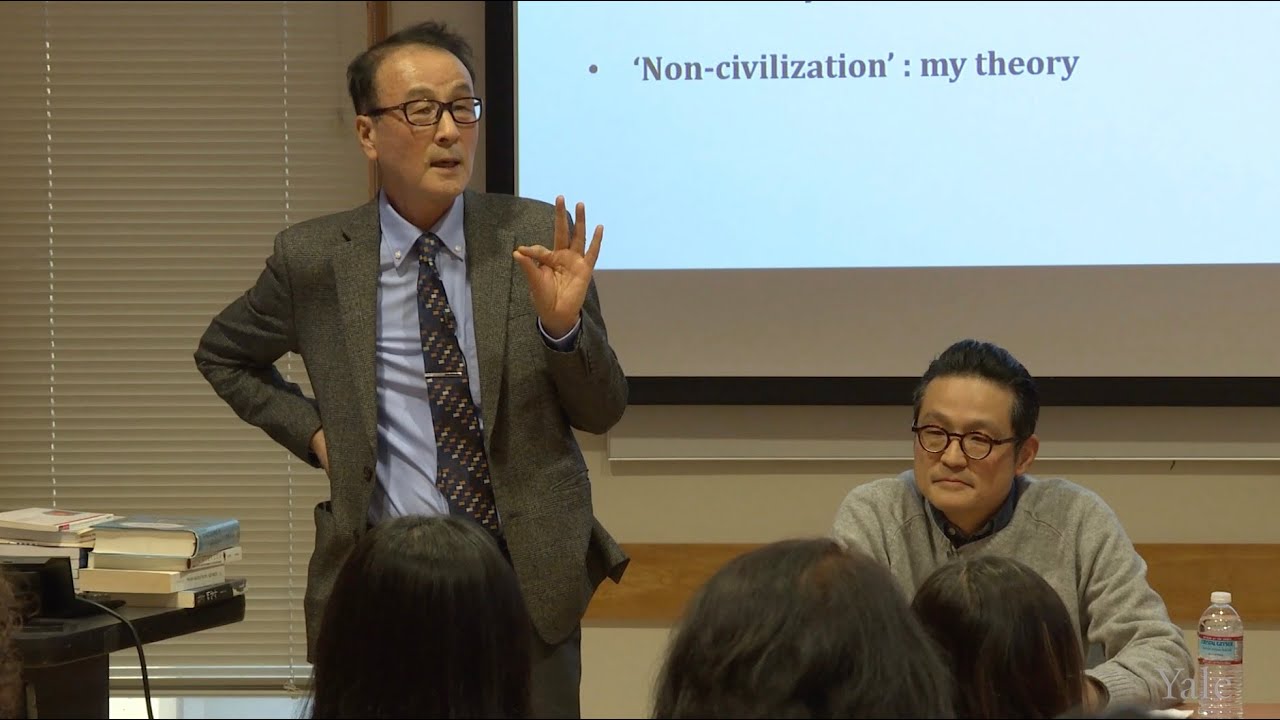
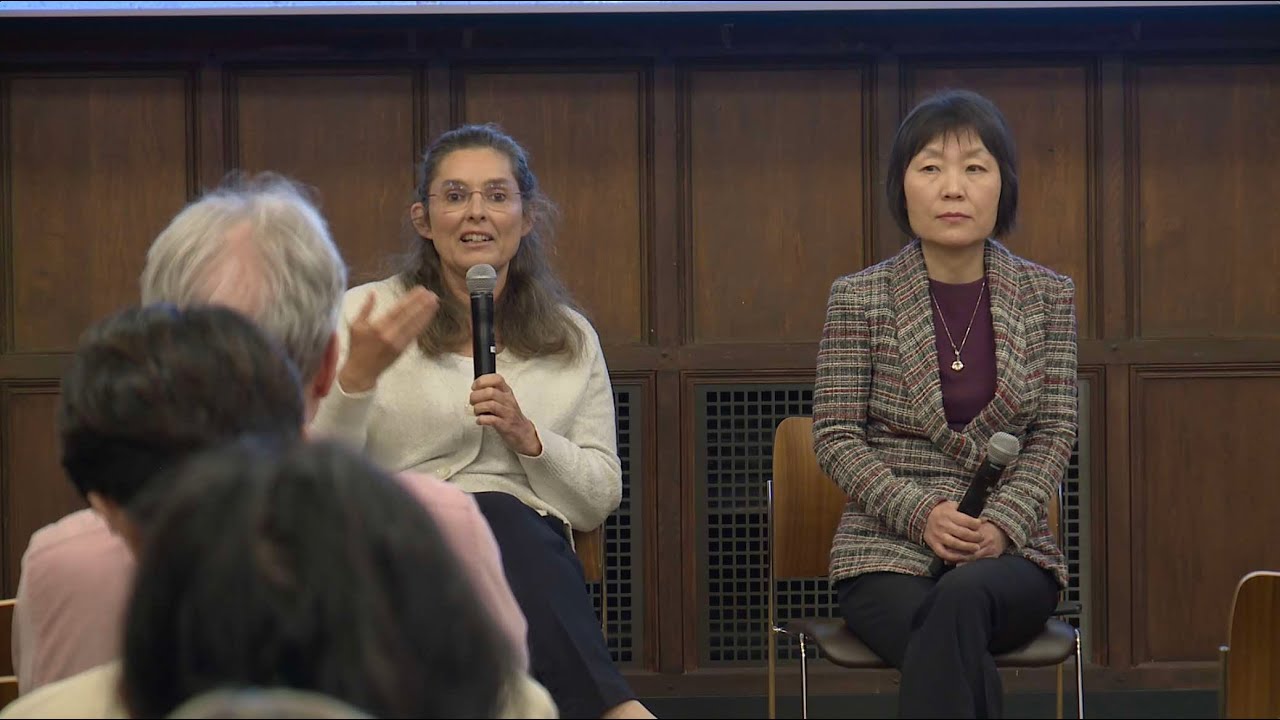
The Council on East Asian Studies at Yale is pleased to present the 2025 Ancient Korea Lecture Series. We were honored to have Prof. Dr. habil Martine Robbeets (Max Planck Institute of Geoanthropology) present "From Foraging to Farming in Prehistoric Korea: A View from Linguistics” and Prof. Gyoung-Ah Lee (University of Oregon) present "Cultural Heritage and Traditional Ecological Knowledge of Neolithic Islanders on Jeju, Korea” on April 10, 2025 in Sterling Memorial Library's Lecture Hall. Please read more about each lecture below.
From Foraging to Farming in Prehistoric Korea: A View from Linguistics
The prehistoric origins of the Korean language are among the most disputed issues of historical linguistics. This talk examines the earliest dynamics of the ancestral Proto-Koreanic language in the light of the Farming-Language Dispersal Hypothesis. Archaeolinguistic evidence associates the arrival and spread of Proto-Koreanic on the peninsula with the dispersal of millet cultivation in the Middle Neolithic. Whereas millet farming will appear as a major addition to the food spectrum that caused socio-linguistic shifts, the adoption of rice, barley and wheat agriculture in the Bronze age left a milder linguistic signal involving ancient borrowings from neighboring languages. Taking linguistics as a vantage point, the transition of farming to foraging in prehistoric Korea will be addressed from different perspectives, including palaeogenetics, archaeology and palaeoclimatology. By combining evidence from these disciplines, the talk suggests that the primary spreads of the Korean language were driven by agriculture.
Cultural Heritage and Traditional Ecological Knowledge of Neolithic Islanders on Jeju, Korea
On Jeju Island cultural heritage has developed distinctly from mainland Korea. Its geological and environmental history rendered the particular cultural trajectories throughout the Holocene, and archaeological materials reflect its long origin as far as back to 10,000 years ago. Up against the changing climate and tourism development, a number of specialists organized the Jeju Archaeology Project to protect endangered sites and to appreciate the long tradition of island cultures. The project aims to understand the traditional ecological knowledge that helped Jeju islanders adapting to the changing climates throughout the Neolithic period (10,000–3,000 years Before the Present). This talk will summarize what the team has learned about the pattern of settlements, mobility, and migration, and its link to clay sourcing for pottery making and to the particular foodways.
Повторяем попытку...
Доступные форматы для скачивания:
Скачать видео
-
Информация по загрузке: