Biofilms: The Unseen Threat in High Purity Water
Автор: Modern Biopharma Podcast
Загружено: 2025-08-19
Просмотров: 184
Описание:
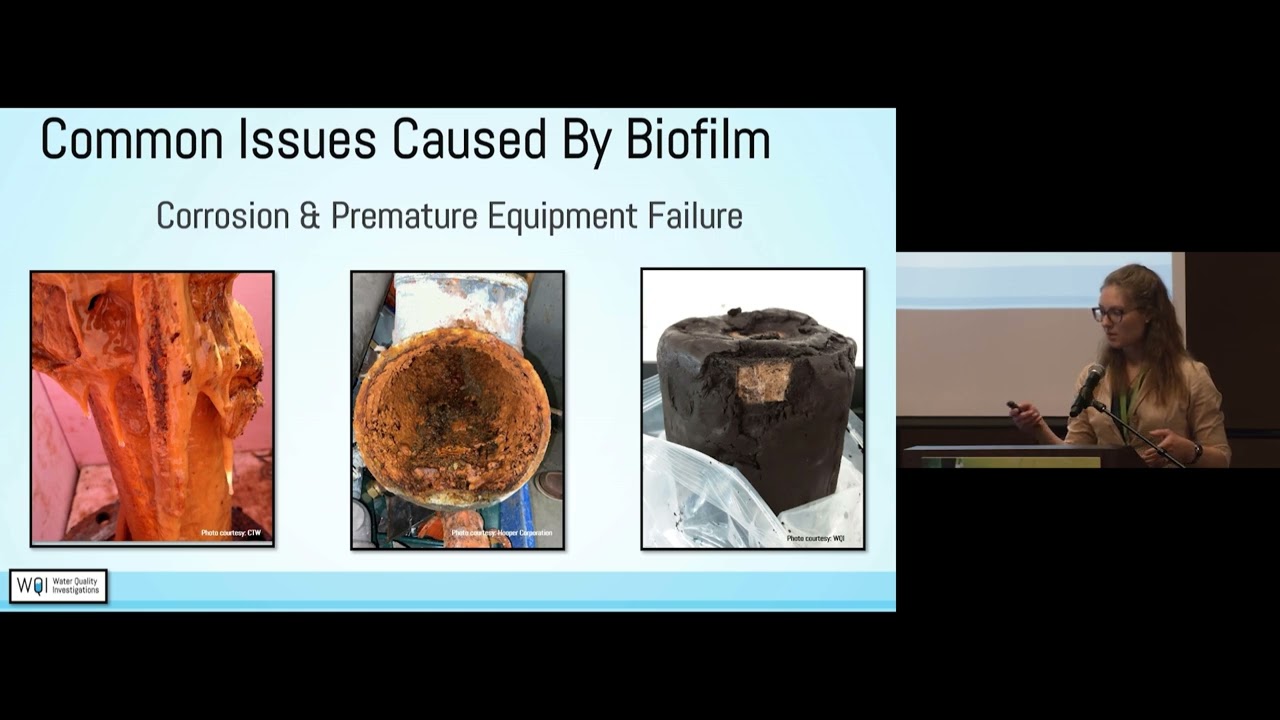
Biofilms are communities of microorganisms, such as bacteria, fungi, algae, and protozoa, that adhere to surfaces and are encased in a self-produced slimy matrix of extracellular polymeric substances (EPS). These cells are phenotypically distinct from their free-floating (planktonic) counterparts and exhibit significantly higher resistance to antimicrobial agents, sometimes up to 500 to 3000 times more resistant. This protective matrix encourages further attachment of other organisms, traps nutrients, and shields the biofilm from biocides.
Major Sources of Biofilm Formation in Water Systems
Biofilm formation in water systems, especially pharmaceutical ones, is driven by a combination of essential conditions and contributing factors:
• Essential Conditions for Growth:
◦ Water: Bacteria are nearly ubiquitous in water environments, including potable, domestic, purified, and distilled water systems.
◦ Nutrients: While bacteria are generally limited by available nutrients, even very low concentrations of organic carbon (e.g., 0.5 mg/liter in distilled water) can be sufficient for growth. Ironically, the extremely low nutrient levels in pharmaceutical-grade water may even promote biofilm formation as a survival strategy because nutrients tend to accumulate on surfaces, and attached bacteria find it easier to absorb them than planktonic cells.
◦ Support Surface: All surfaces in water distribution systems are susceptible to contamination. Materials like stainless steel and polypropylene tend to show lower microbial colonization compared to elastomeric surfaces, which can leach nutrients.
◦ Planktonic Bacterial Cells: Raw water is a primary source of contamination. Planktonic bacteria entering a purified water system will attach to surfaces, initiating biofilm formation.
Detection Challenges:
◦ Routine water monitoring, which typically involves sampling the bulk water phase, does not accurately reflect the location or extent of a biofilm.
◦ There is no direct correlation between bacterial counts in bulk water samples and biofilm thickness. A low bacterial count in a bulk sample might actually mask extensive biofilm activity, as sheared-off bacteria can be diluted by the large volume of water. Conversely, random shedding of biofilm particles can lead to wildly varying bacterial counts in successive samples (e.g., 1000 CFU/ml in one sample and 10 CFU/ml in another).
◦ The most typical indicator of a biofilm is repeated but irregularly occurring out-of-specification (OOS) values in routine microbiology water samples.
◦ It can take anywhere from several days to several months for a biofilm to be detected after its initial formation.
• Where to Look: Biofilms are more likely to form in areas prone to slower fluid velocity or stagnation, such as gaskets, pipe bends, short dead legs, heat exchangers, and holding tanks.
• Effective Detection Methods:
◦ Sampling from Internal Surfaces: Direct sampling of internal surfaces is crucial for accurate biofilm detection. This can involve using short, removable pipe sections installed as "representative surfaces" for evaluation before and after sanitation.
◦ Trend Analysis of Water Data: Rather than focusing on individual sample results, monitoring trends and looking for fluctuations or gradual increases in microbial counts is a more meaningful way to identify potential biofilm presence.
◦ Advanced Inspection Tools: Tools like the BioDtex Lamp, which uses UV-fluorescence technology, can visualize biofilm residues that are invisible to the naked eye. This can be combined with ATP swabbing for immediate identification of critical areas without the need for chemicals.
Prevention (The Ideal Strategy): Prevention focuses on delaying biofilm development and extending sanitation intervals. Key strategies include:
• System Design:
◦ High Water Velocities: Design systems for continuous, rapid water flow (e.g., 1-2 m/s or higher) in pipes and tanks. High shear forces deter bacterial attachment and limit biofilm thickness. "Keep it running!".
◦ Smooth Internal Surfaces: Use electropolished steel or other materials that offer smooth surfaces to reduce bacterial adhesion and facilitate cleaning. Avoid ridges, crevices, and minimize projections or recesses in equipment design, preferably using welding.
◦ Eliminate Stagnation Points: Avoid "dead legs" by minimizing the length of branch pipes and ensuring sloping drainage. Use zero dead-leg valves.
◦ Proper Drainage: Equipment and piping must be designed to allow complete discharge of product, cleaning, disinfecting, and rinsing fluids without impediment or accumulation in uncleaned areas.
◦ Filtration on Air Vents: Install filters on air vents of water storage tanks to prevent microbial ingress from the external environment.
Повторяем попытку...

Доступные форматы для скачивания:
Скачать видео
-
Информация по загрузке: