Middle East Conflict has Reached "a Moment of Grave Peril"-UN Humanitarian Chief | United Nations
Автор: Организация Объединенных Наций
Загружено: 2026-03-06
Просмотров: 2735
Описание:
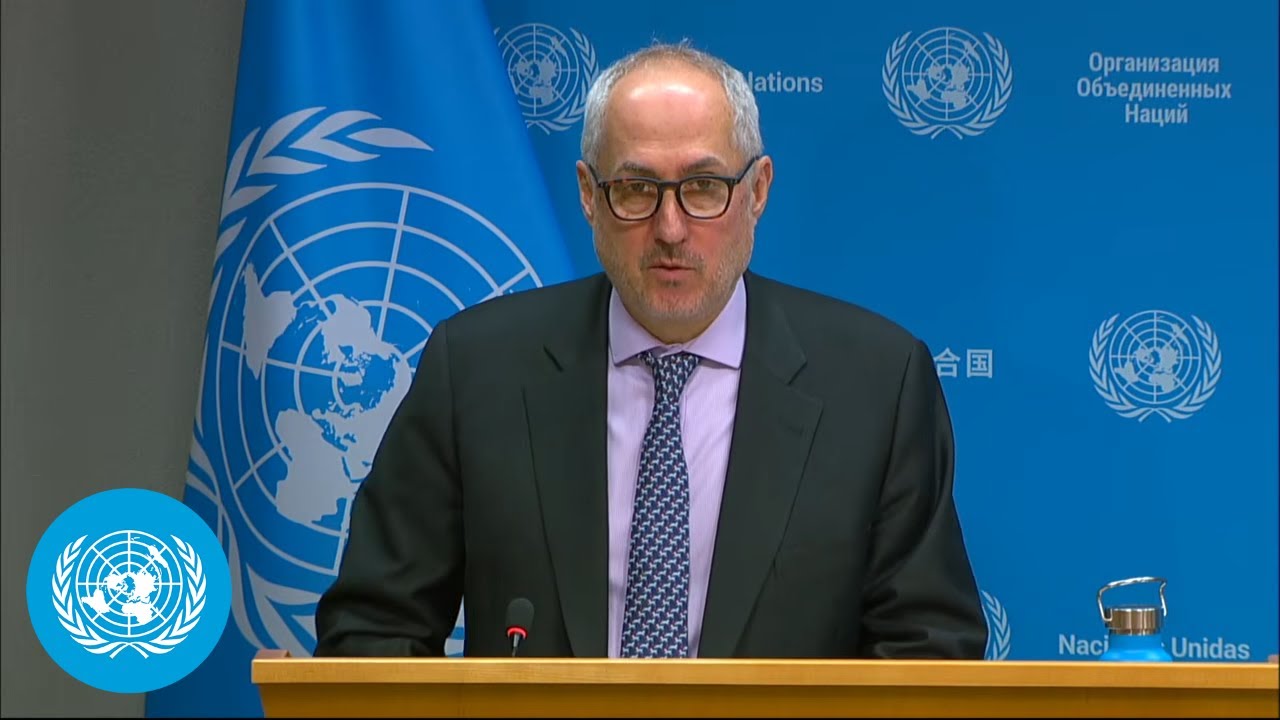
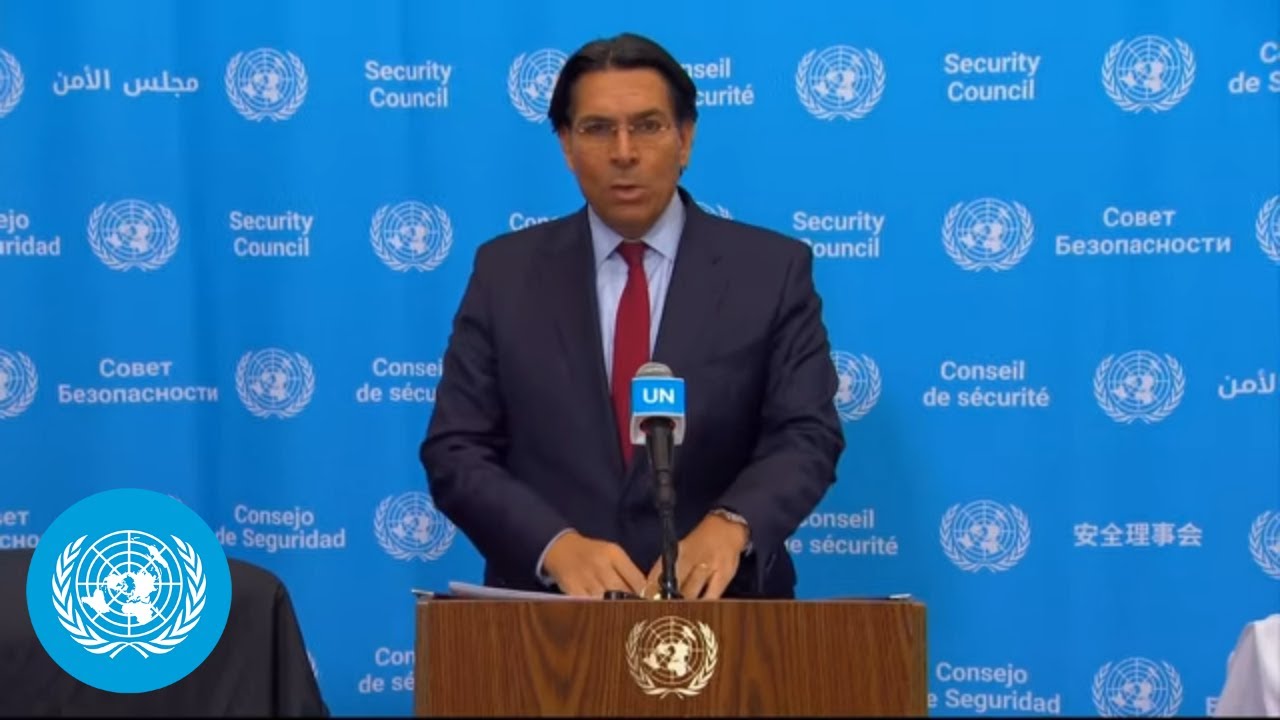
The Middle East conflict has reached "a moment of grave peril," UN humanitarian chief Tom Fletcher warned, cautioning that crises are escalating beyond the control of those who started them.
Tom Fletcher, the UN Under-Secretary-General for Humanitarian Affairs, told reporters in New York that the region's overlapping emergencies were becoming dangerously interlinked, fueled by what he described as “staggering amounts of money, reportedly a billion dollars a day, funding this war spent on destruction.”
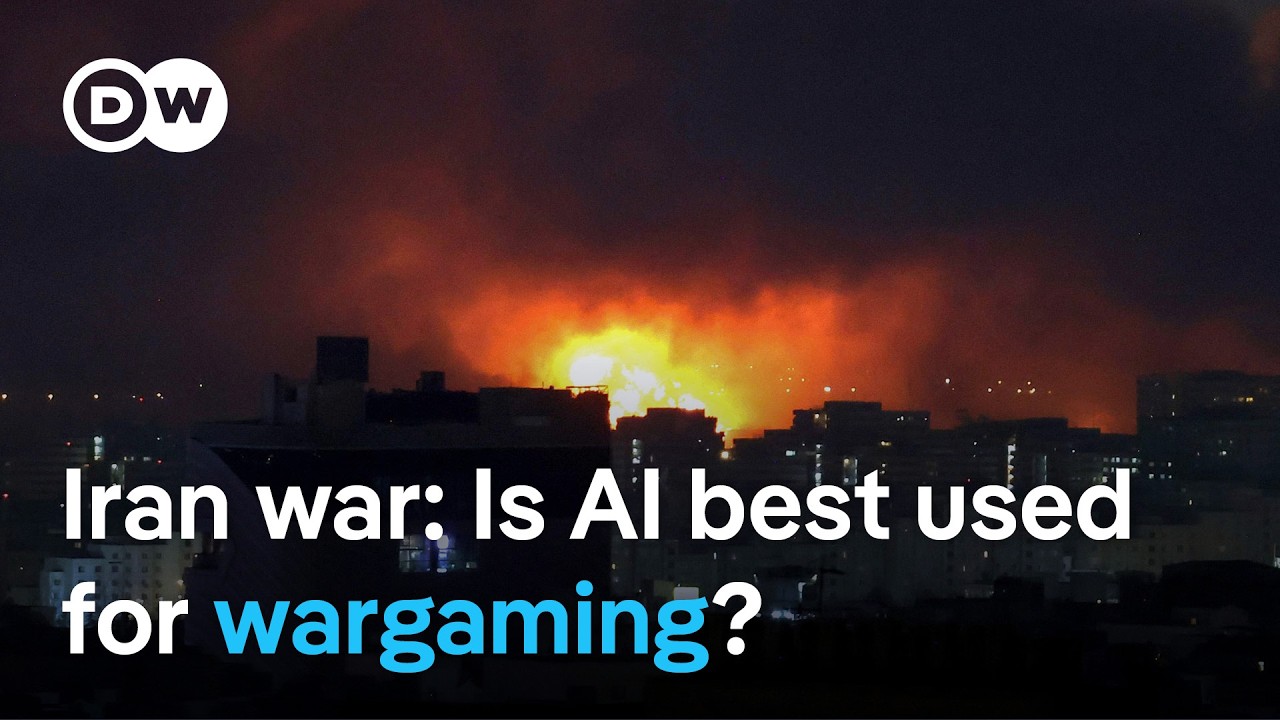
Fletcher called for immediate de-escalation and an end to hostilities, warning that “civilians are facing those consequences across the Middle East; homes, hospitals, and schools are being hit across the region.” UNICEF has reported more than 190 children killed since the escalation began, including over 180 in Iran, seven in Lebanon, three in Israel and one in Kuwait.
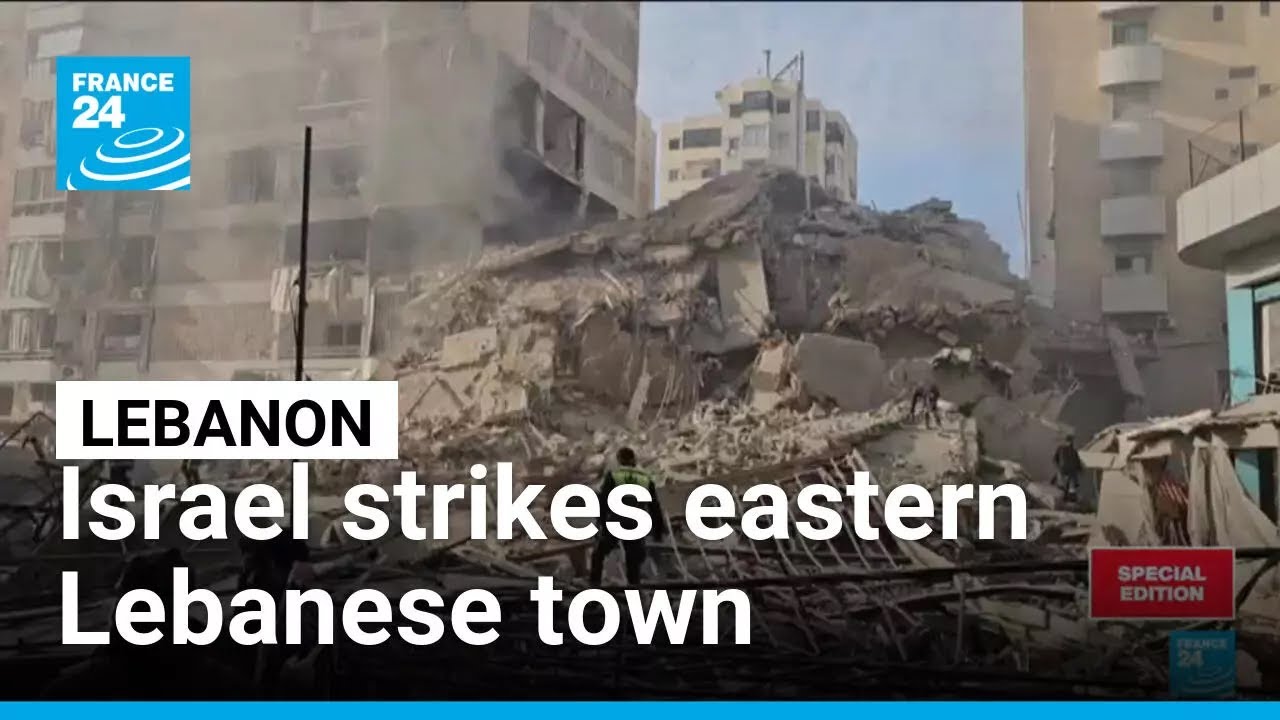
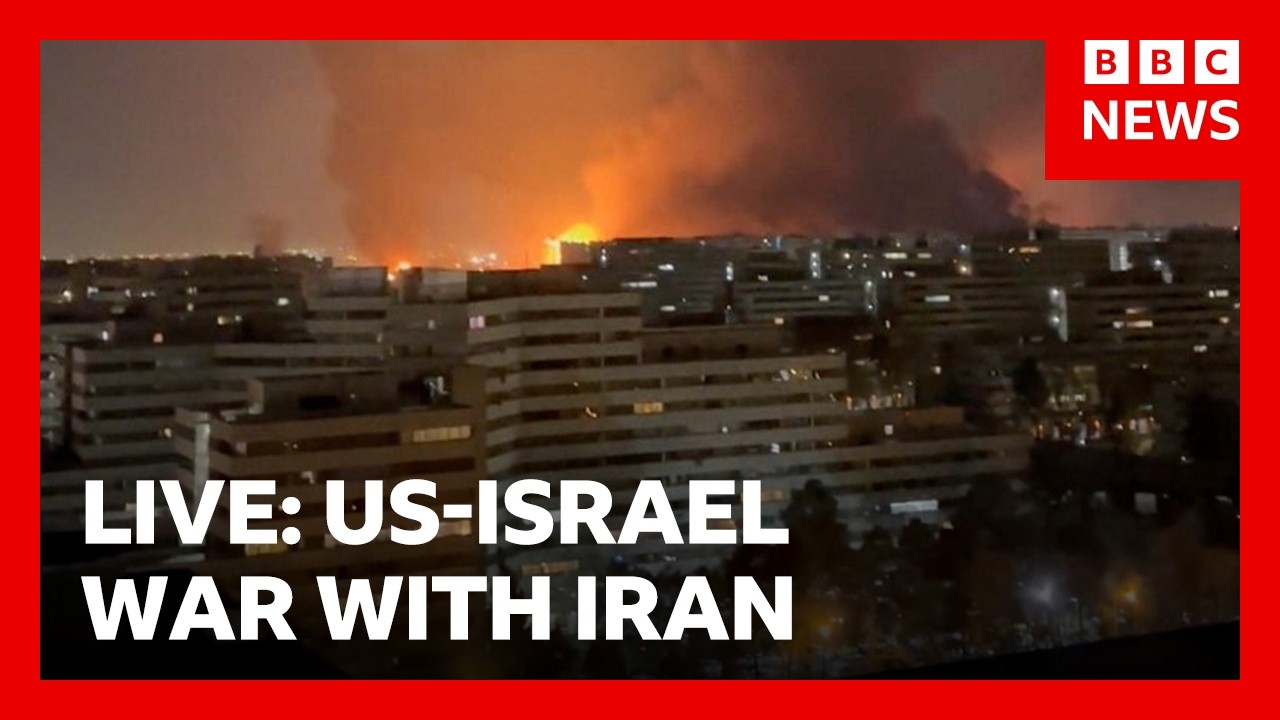
In Iran authorities report more than 1,000 deaths and damage to over 100 civilian sites. Around 100,000 people have been internally displaced in the past week. In Lebanon, more than 100 people have been killed and hundreds injured, with roughly 100,000 people sheltering across hundreds of sites, a country where, even before the current escalation, the World Food Programme reported 874,000 people already lacked adequate food.
In Gaza, Fletcher said aid delivery remains critically constrained. Israel closed all crossings a week ago, preventing humanitarian stocks from being replenished, and while the Abu Salem-Kerem Shalom crossing has since reopened, others including Rafah remain shut. “We've been able to bring in less than 1,000,000l of fuel this week,” he said "well below the more than 2,000,000l of fuel that we need as a bare minimum to keep services running.” Medical evacuations remain suspended, and he said key NGO partners continue to face “unacceptable restrictions on their work.”
On Afghanistan, Fletcher reported that fighting near the Pakistan border has killed dozens of civilians, including women and children, with more than 16,000 families fleeing their homes. Border closures have left over 160 aid containers stranded, and flight suspensions are further hampering access.
Fletcher outlined three knock-on risks he said he feared most. First, economic disruption: “when maritime corridors such as the Strait of Hormuz are disrupted, food prices will rise, health systems will be squeezed, and basic commodities, including our humanitarian supplies, will become much harder to access.”
Second, diminished global attention for other crises - in the Democratic Republic of Congo, Sudan, South Sudan and Ukraine - where, he stressed, conflicts have not ended.
Third, further erosion of international humanitarian law, with resources flowing toward weapons rather than the diplomatic and financial tools needed to protect lives.
He closed by paying tribute to aid workers operating in active conflict zones. “Humanitarian action is always harder in times of war, but this is of course when it is most needed,” Fletcher said. “The humanitarian movement will once again meet this moment.”
Повторяем попытку...

Доступные форматы для скачивания:
Скачать видео
-
Информация по загрузке: