Orchid Plant (Orchidaceae)
Автор: Tree
Загружено: 2020-06-10
Просмотров: 712
Описание:
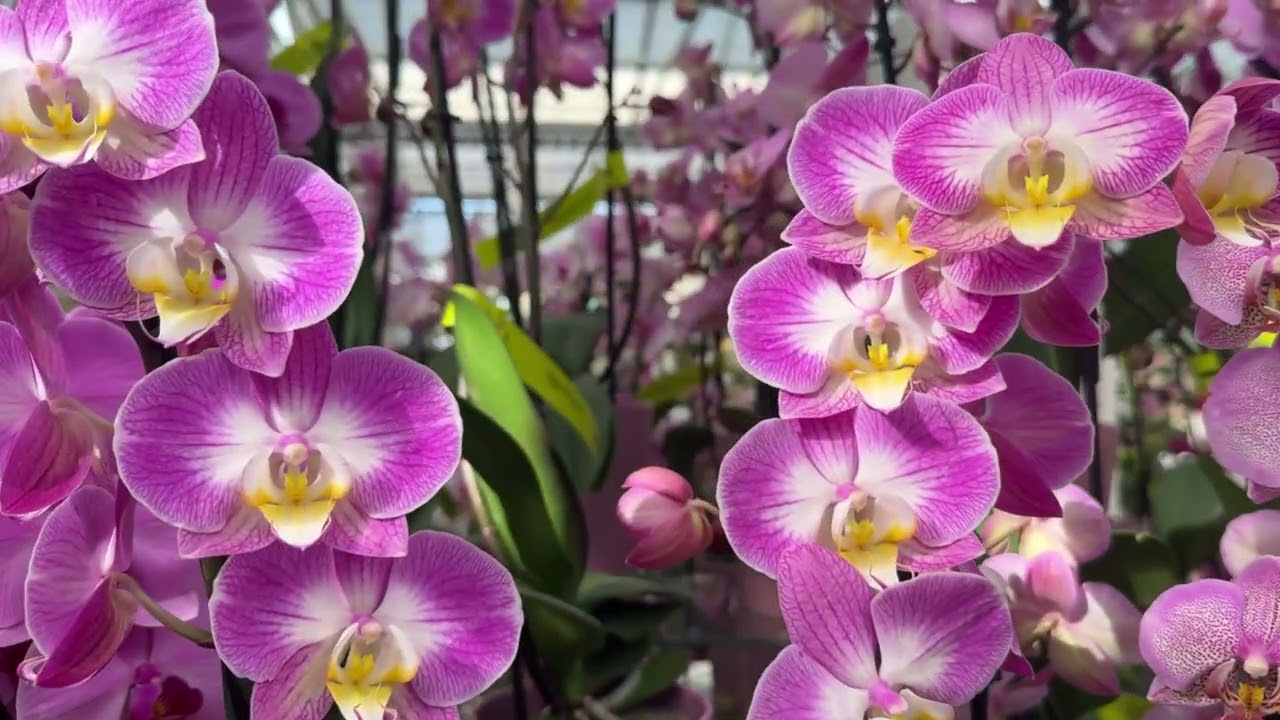
The Orchidaceae are a diverse and widespread family of flowering plants, with blooms that are often colourful and fragrant, commonly known as the orchid family.
Along with the Asteraceae, they are one of the two largest families of flowering plants. The Orchidaceae have about 28,000 currently accepted species, distributed in about 763 genera. The determination of which family is larger is still under debate, because verified data on the members of such enormous families are continually in flux. Regardless, the number of orchid species is nearly equal to the number of bony fishes, more than twice the number of bird species, and about four times the number of mammal species.
The largest genera are Bulbophyllum (2,000 species), Epidendrum (1,500 species), Dendrobium (1,400 species) and Pleurothallis (1,000 species). It also includes Vanilla (the genus of the vanilla plant), the type genus Orchis, and many commonly cultivated plants such as Phalaenopsis and Cattleya. Moreover, since the introduction of tropical species into cultivation in the 19th century, horticulturists have produced more than 100,000 hybrids and cultivars.
Orchids are usually grouped into two broad categories that characterize their growth habits. Monopodial orchids have a single, upright stem, with leaves arranged opposite each other along the stem. The flower stem appears from the base of the uppermost leaves. Orchids with this growth habit include the phalaenopsis and vandas.
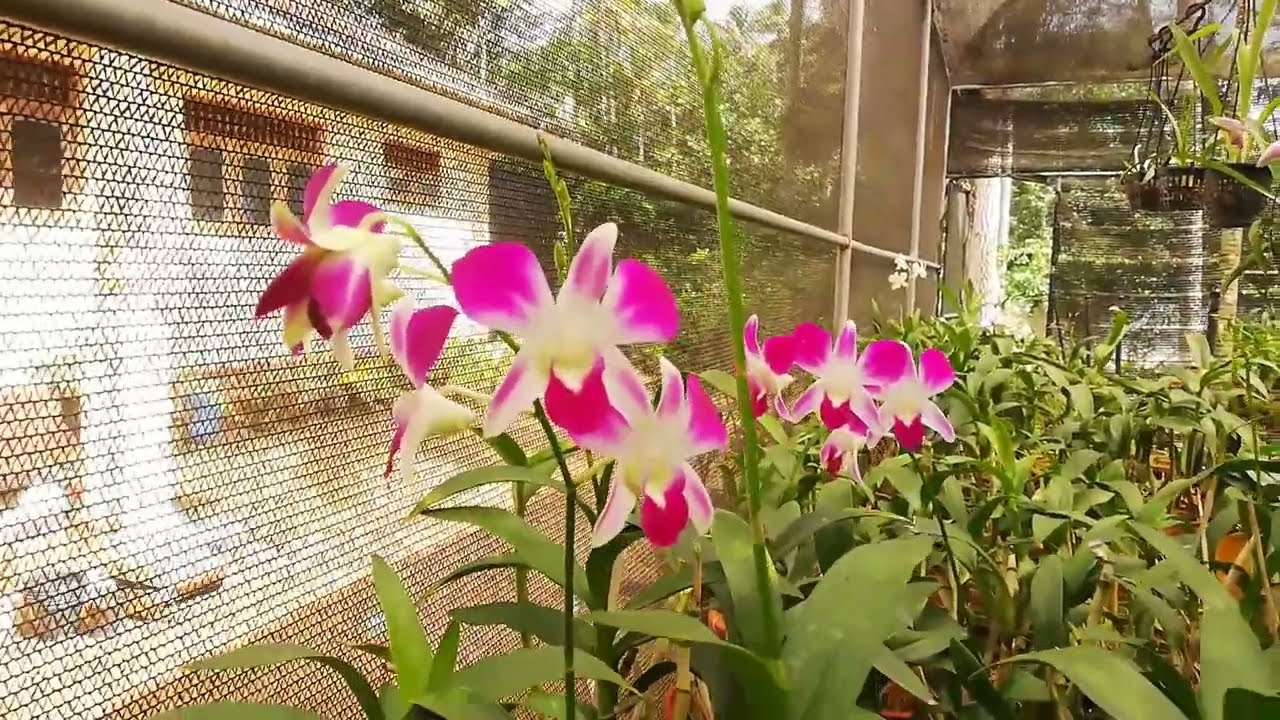
The more common growth habit is sympodial. These orchids grow horizontally, sending out new shoots from the old rhizome. Leaves and flower scapes form at the top of the new shoots. Many sympodial orchids form pseudobulbs, which are swollen shoots that store water and nutrients to help the plant survive periods of prolonged drought. Sympodial orchids include cattleya, cymbidium, oncidium and dendrobium.
Orchids can also be classified by their native habitat, which gives an indication of the temperature, moisture and light levels they prefer. Orchids native to the humid tropics, such as phalaenopsis and paphiopedilum, prefer daytime temperatures of 73° to 85°F, with 80 to 90 percent humidity. They are happiest in an east or southeast window where the light is not too intense.
Warm-climate orchids, including cymbidiums and dendrobiums, are accustomed to an average temperature of 55° to 70°F, a steady supply of moisture, and good air circulation. They are generally happy in a south-facing window, though they may need a little shading during high summer.
Cattleyas and some oncidiums grow where days are dry and relatively cool. They are able to tolerate a long dry season with temperatures of 80° or 90°F, followed by a distinct rainy season. Their need for light is high, so they should be placed in a sunny, south-facing window.
High-altitude orchids, such as masdevallia and epidendrum, grow in the cloud forests where average temperatures are 60° to 70°F, and humidity is very high. These orchids prefer filtered light that is not too intense.
The beauty, complexity and incredible diversity of orchid flowers are unrivalled in the plant world. These exotic beauties comprise the largest family of flowering plants on earth, with over 30,000 different species, and at least 200,000 hybrids. Orchids can be found in the equatorial tropics, the arctic tundra, and everywhere in between. The reason for this diversity lies in the orchid’s amazing ability to adapt to its given environment. With so many different orchid varieties that thrive in so many different growing conditions, it is relatively easy to find an orchid that is well suited to the conditions that you can provide — whether it is a kitchen window or a full-size greenhouse.
Most cultivated orchids are native to the tropics. In their natural habitat, they attach themselves to the bark of trees, or the surface of other plants. Their thick, white roots are specially adapted to absorb moisture and dissolved nutrients. Because these tropical orchids usually grow high in the trees, rather than on the forest floor, they are accustomed to good air circulation and plenty of light. They prefer a 12-hour day, all year-round, and require a high intensity of light — about the same as midsummer conditions in temperate regions.
Are orchids difficult to grow? Many of them are. In fact, some are almost impossible to keep alive, much less bring into bloom—even for professional growers. But there are dozens of varieties of orchids, and hundreds of hybrids, that are perfectly happy growing on a sunny windowsill or under lights.
For your best crack at success, start by choosing one of the less fussy varieties that is adapted to the type of growing conditions you can provide. Buy the most mature plant you can afford (young plants are much more difficult to please), and, if possible, buy it in bloom, so you’ll know what you’re striving for.
Повторяем попытку...
Доступные форматы для скачивания:
Скачать видео
-
Информация по загрузке: