Archaeologist says he's found citadel captured by King David in conquest of Jerusalem
Автор: AP Archive
Загружено: 2015-08-03
Просмотров: 16209
Описание:
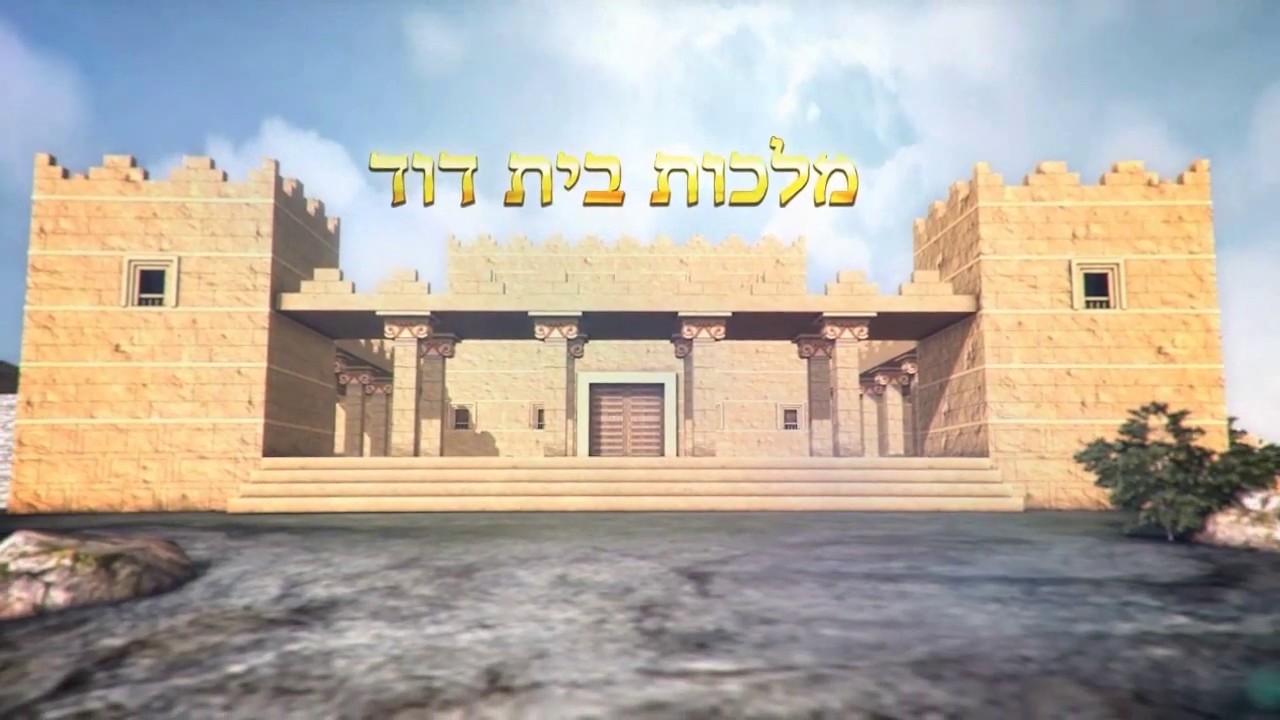
(6 May 2014) An Israeli archaeologist claims he has found the legendary citadel captured by King David in his conquest of Jerusalem, rekindling a longstanding debate about using the Bible as a field guide to identifying ancient ruins.
The claim by Eli Shukron is disputed by other archaeologists.
It is the latest in a string of announcements by Israeli archaeologists saying they have unearthed palaces of the legendary biblical king, who is revered in Jewish religious tradition for establishing Jerusalem as its central holy city - but who has long eluded historians looking for clear-cut evidence of his existence and reign.
It is the latest in a recent string of dramatic claims by Israeli archaeologists of unearthing palaces of the legendary biblical king, who is revered in Jewish religious tradition for establishing Jerusalem as its central holy city - but who has long eluded historians looking for clear-cut evidence of his existence and reign.
The sensitive Israeli-Palestinian conflict is also wrapped up into the discussion.
The 10 million US Dollar excavation, made accessible to tourists last month, took place in an Arab neighbourhood of Jerusalem and was financed by an organisation that settles Jews in guarded homes in Arab areas of east Jerusalem in an attempt to prevent the city from being divided.
The Palestinians claim east Jerusalem, captured by Israel in 1967, as the capital of a future independent state.
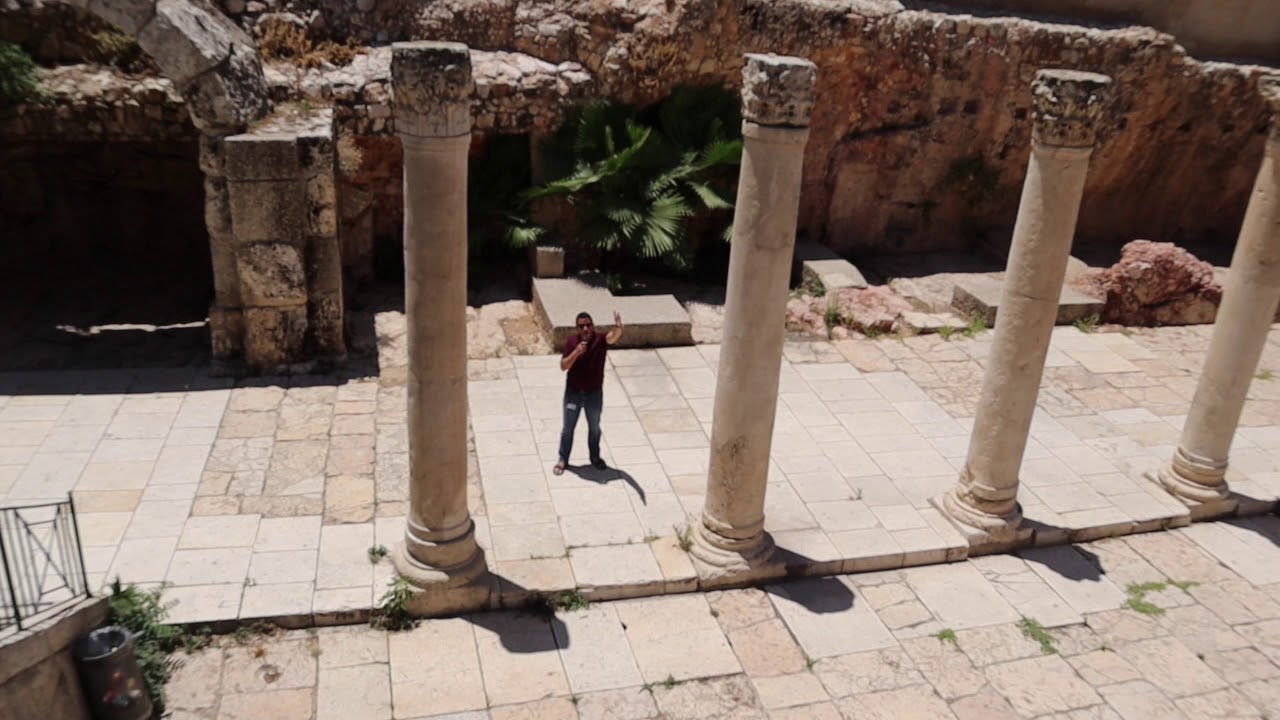
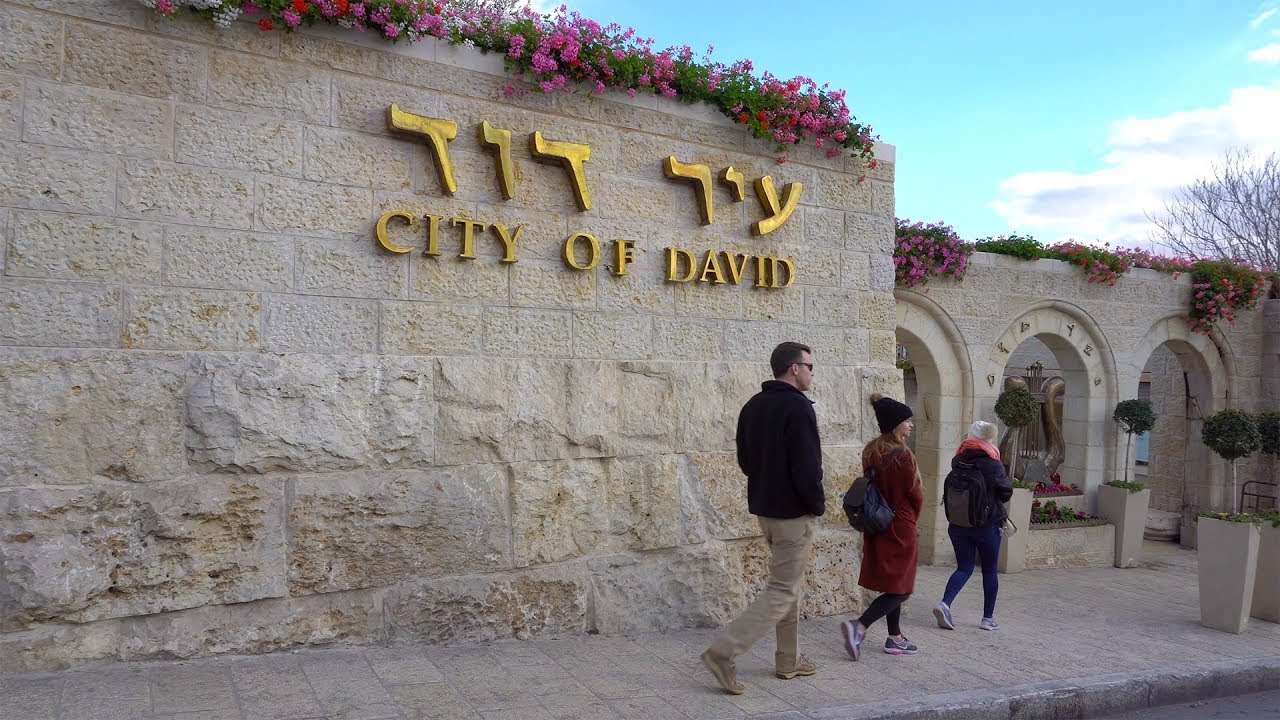
Shukron, who excavated the Jerusalem citadel at the City of David archaeological site for nearly two decades, said he believed there is strong evidence for his theory.
"This is the citadel of King David, this is the Citadel of Zion, and this is what King David took from the Jebusite King," said Shukron, who said he recently left Israel's Antiquities Authority to work as a lecturer and tour guide.
Most archaeologists in Israel do not dispute that King David was an historical figure, and a written reference to the "House of David" was found in an archaeological site in northern Israel.
But archaeologists are still divided on identifying Davidic sites in Jerusalem, the city he was said to have made his capital.
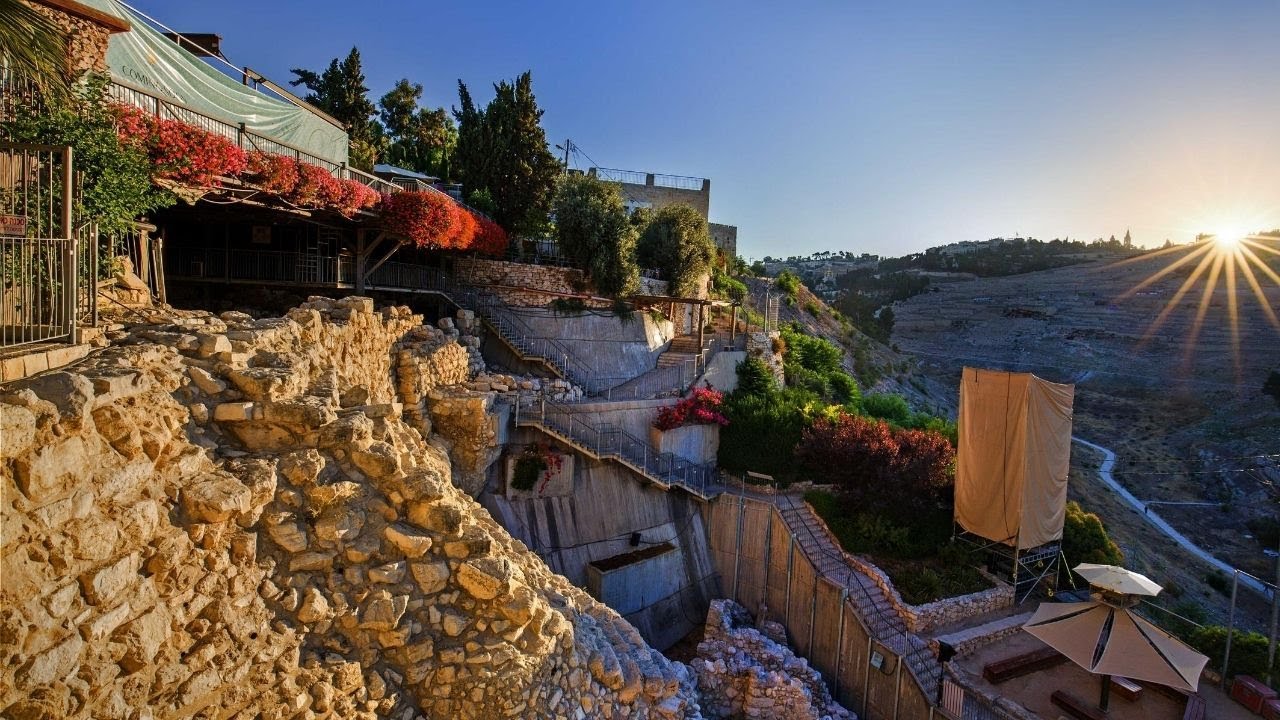
Shukron's dig, which began in 1995, uncovered a massive fortification of five-ton stones stacked 21 feet (6 metres) wide.
Pottery shards helped date the fortification walls to be 3,800 years old.
They are the largest walls found in the region from before the time of King Herod, the ambitious builder who expanded the Second Jewish Temple complex in Jerusalem almost 2,100 years ago.
The fortification surrounded a water spring and is thought to have protected the ancient city's water source.
The fortification was built 800 years before King David would have captured it from its Jebusite rulers.
Shukron says the story of David's conquest of Jerusalem, as well as another biblical story, provide clues that point to this particular fortification as David's entry point into the city.
In the second Book of Samuel, David orders the capture of the walled city by entering it through the water shaft.
Shukron's excavation uncovered a narrow shaft where spring water flowed into a carved pool, thought to be where city inhabitants would gather to draw water.
Excess water would have flowed out of the walled city through another section of the shaft Shukron said he discovered - where he believes the city was penetrated.
Shukron says no other structure in the area of ancient Jerusalem matches what David would have captured to take the city.
The biblical account names it the "Citadel of David" and the "Citadel of Zion".
Find out more about AP Archive: http://www.aparchive.com/HowWeWork
Twitter: / ap_archive
Facebook: / aparchives
Instagram: / apnews
You can license this story through AP Archive: http://www.aparchive.com/metadata/you...
Повторяем попытку...

Доступные форматы для скачивания:
Скачать видео
-
Информация по загрузке: