Trumpeting in Asian Elephants (Elephas maximus)
Автор: Srimaa Communication
Загружено: 2025-04-22
Просмотров: 489
Описание:
Trumpeting in Asian Elephants (Elephas maximus)
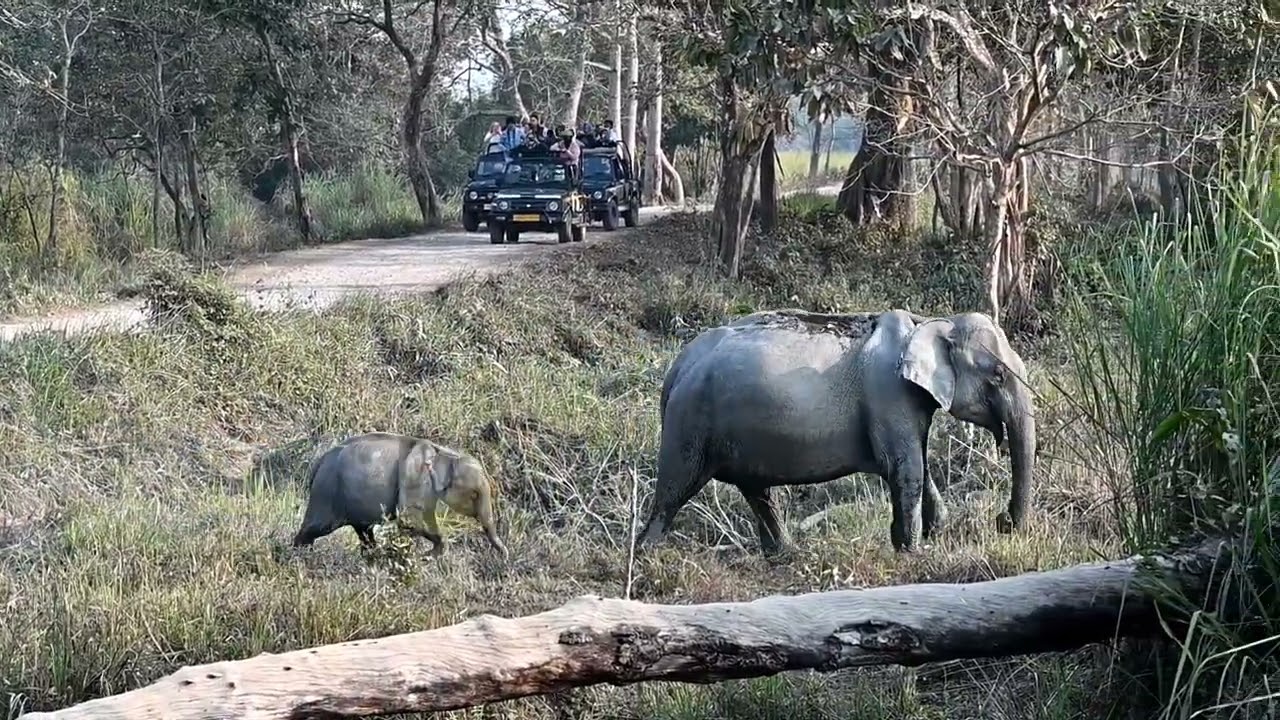
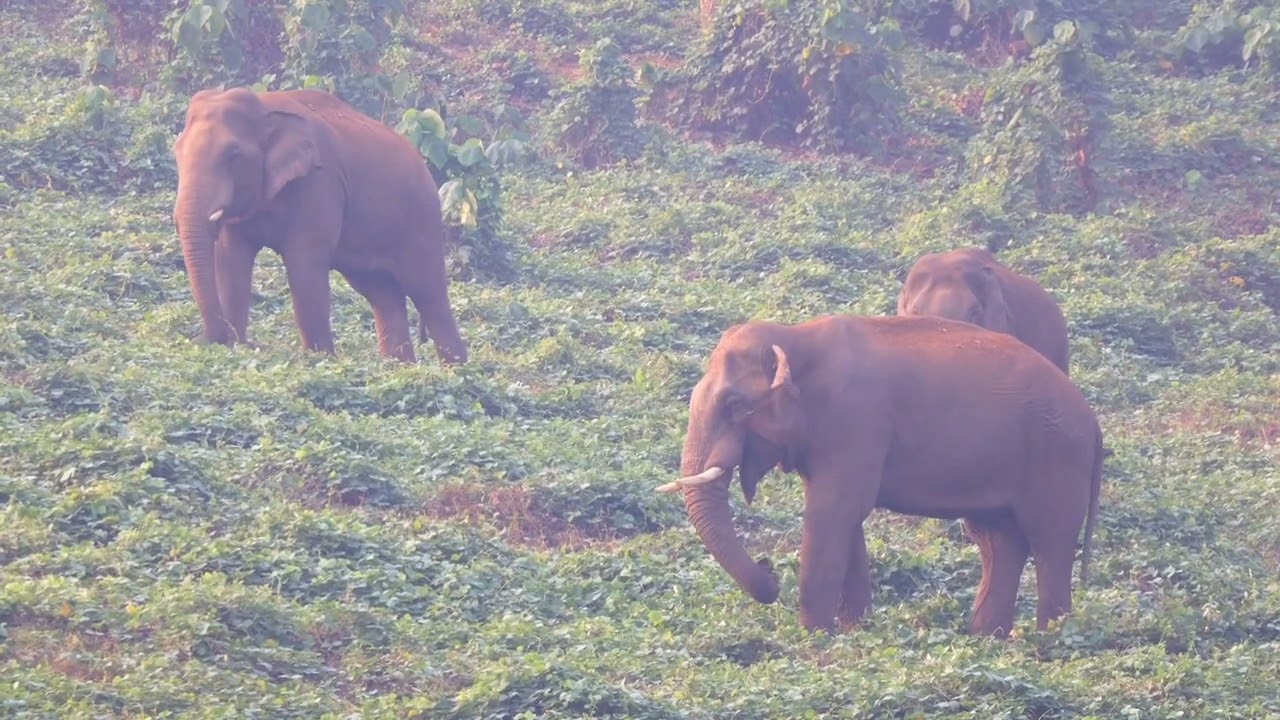
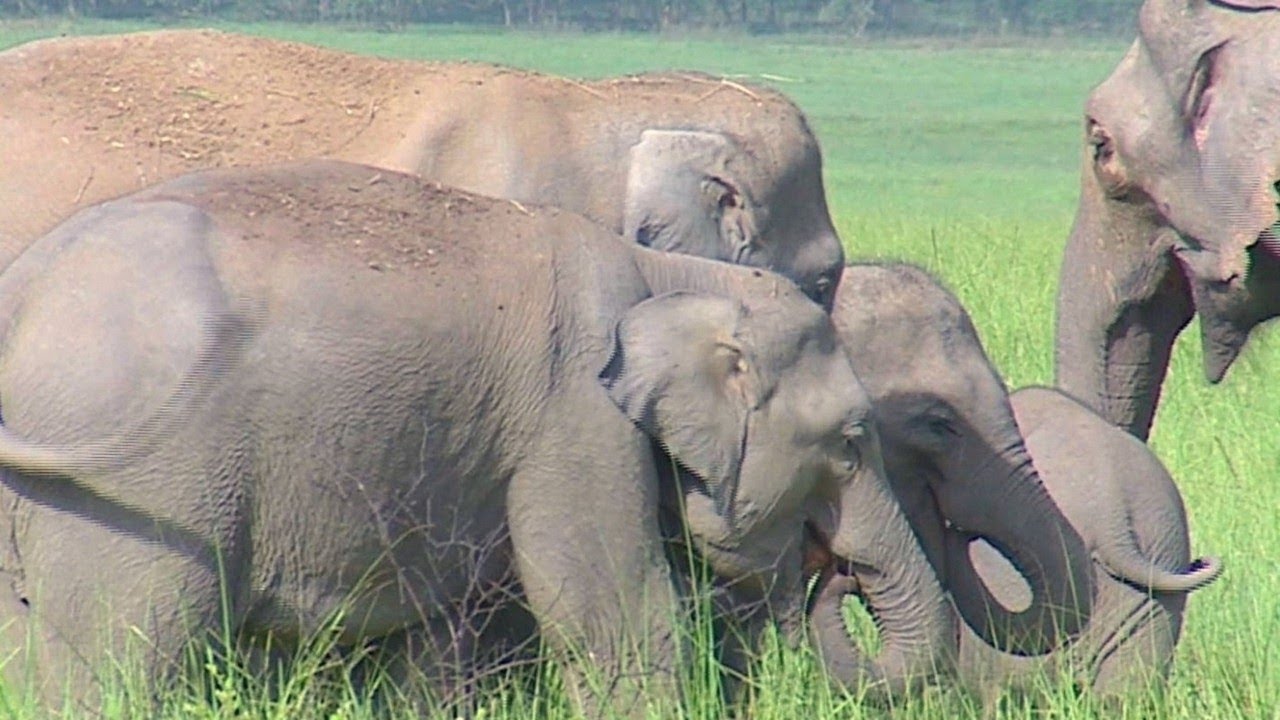
• Elephants are social animals and stay in herds. Individuals or sub groups may often wander away. Reuniting is with much vocalization. Greeting is ceremonial with elephants running towards the parent group headed by the matriarch. Once reunited they will stay together, touch each other with their body and trunks and often urinate.
• Asian Elephants trumpet in response is disturbances and also to facilitate diverse social interactions.
• Trumpeting is a loud high frequency sound used also to communicate with herd members. It is produced by blowing air in sudden bursts through the trunks. The length and flexibility of the trunks is used to modulate sound. It may not necessarily involve the vocal cords.
• Trumpeting is also used to express excitement, distress or danger, in play or other various inter group interactions. It is often used in high arousal circumstances.
• The Asian and African Elephants exhibit different trumpeting patterns. Asian elephants use softer tones while African elephants produce larger, more resonant trumpeting.
• Trumpeting in adult Asian elephants serves to convey an individual’s identify also.
• The Asian Elephant is highly social, living in matriarchal family groups and often reassures members of the family group and often other elephants outside their groups also who may be in distress. Information on caller identity is very important to facilitate social interaction or to specifically evoke supportive behavior.
• When elephants trumpet they signal their presence and emotional state to family members.
• Elephants produce low frequency vocalizations known as infra-sound which can travel several kilometers. These are used to coordinate movements and ensure herd safety. Humans cannot hear these.
• During the mating season males may emit powerful mating calls to attract females from significant distances.
• Calls are adapted to habitat types allowing them to be transmitted through dense forests or grasslands.
©Srimaa Communication
Credits- Dr. Yashpal Singh, Mrs. Neena Singh, Mr. Rajesh Bedi, Manoj Kumar Yadav
Also See:
1. • Elephas maximus- The Asian Elephant- Nursi...
2. • Olfactory sensory abilities in Elephants. ...
3. • Dust bathing in Asian Elephant (Elephas ma...
4. • The Asian Elephant (Elephas maximus)
5. • Gajraj -Ecology of Asian Elephants at the ...
Повторяем попытку...
Доступные форматы для скачивания:
Скачать видео
-
Информация по загрузке: