Opinion: Iran crisis live: UN says ‘cycle of horrific violence’ in Iran must end as official says 2,
Автор: NHEEnglish
Загружено: 2026-01-13
Просмотров: 1
Описание:
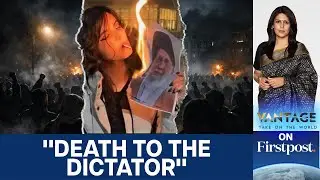
The ongoing crisis in Iran, sparked by the death of Mahsa Amini in September 2022, has escalated into a significant challenge to the Islamic Republic's stability and international standing. The UN's condemnation of the "horrific violence" and the reported death toll of approximately 2,000 people during the crackdown underscore the severity of the situation. This analysis will delve into the roots of the unrest, the government's response, the international implications, and potential future scenarios.
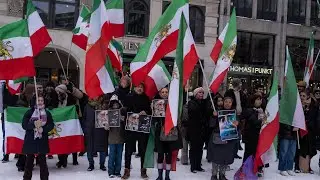
The protests, initially triggered by outrage over Amini's death in police custody for allegedly violating hijab rules, quickly evolved into broader demands for political and social change. Dissatisfaction with economic hardship, corruption, and the lack of personal freedoms fueled the demonstrations, drawing participants from diverse segments of Iranian society, including students, women, and ethnic minorities. The "Woman, Life, Freedom" slogan encapsulates the core aspirations driving the movement.
The Iranian government's response has been characterized by a heavy-handed approach, employing riot police, paramilitary forces, and increasingly lethal force to suppress the protests. The reported deaths, mass arrests, and restrictions on internet access highlight the regime's determination to maintain control. This response, however, has only served to further galvanize the opposition and attract international condemnation.
Iran's modern history is punctuated by periods of social and political upheaval. The 1979 Islamic Revolution, while initially promising greater social justice, ultimately led to the establishment of an authoritarian regime that has faced persistent challenges to its legitimacy. The reformist movements of the late 1990s and early 2000s, though ultimately unsuccessful in achieving fundamental change, demonstrated the enduring desire for greater openness and democracy within Iranian society. The 2009 Green Movement, sparked by disputed presidential elections, was similarly met with brutal repression, but it revealed the depth of discontent with the ruling establishment. The current protests can be viewed as a continuation of this historical pattern, reflecting a long-standing struggle for political and social reform.
The current crisis is occurring within a complex geopolitical context. The collapse of the 2015 Iran nuclear deal, also known as the JCPOA, and the reimposition of US sanctions under the Trump administration have severely damaged Iran's economy, contributing to public discontent. The potential return of tariffs on countries trading with Iran, as threatened by Trump, would further isolate the country economically. Furthermore, Iran's regional rivalries, particularly with Saudi Arabia and Israel, add another layer of complexity. The ongoing protests provide opportunities for these actors to exert influence and potentially destabilize the country. The withdrawal of non-essential French embassy staff signifies growing concerns about security and the potential for further deterioration of the situation.
The international community faces a delicate balancing act. While there is widespread condemnation of the Iranian government's human rights abuses, there is also a reluctance to intervene in ways that could escalate the conflict or undermine regional stability. Sanctions, while intended to pressure the regime, can also harm the Iranian population. Diplomatic efforts to revive the JCPOA and address Iran's nuclear program have stalled, further complicating the situation.
Looking ahead, several scenarios are possible. The Iranian government may succeed in suppressing the protests through continued repression, but this would likely come at a high cost in terms of human rights and international legitimacy. Alternatively, the protests could escalate into a larger-scale uprising, potentially leading to regime change. A third possibility is a prolonged period of instability, characterized by ongoing protests, government crackdowns, and economic hardship. Regardless of the outcome, the current crisis has exposed deep divisions within Iranian society and undermined the legitimacy of the Islamic Republic. The long-term consequences for Iran's political and social future remain uncertain.
If you’re loving the news we’re serving up, don’t forget to give us a subscribe button 🔔 and thumbs-up 👍! We need your love—no, seriously, it’s our fuel for the next headline and never miss out on the latest gossip (aka news). Oh, and drop a comment 💬 below if you’ve got something to say—we’re all ears (and we promise, we’ll read every single one, even if it’s just emojis). Stay tuned for tomorrow’s updates. We’ll be here, keeping you in the know!
Stay Connected:
Subscribe for daily updates: https://youtube.com/@nhenews?si=-V0GS...
Follow us on Twitter: @nhenews
Visit our website: https://storage.googleapis.com/nhenew...
Don't forget to subscribe 🔔, like 👍, comment 💬, and share 🔁 to
Повторяем попытку...
Доступные форматы для скачивания:
Скачать видео
-
Информация по загрузке: