🚆Hydrogen Train Complete Lecture | Working, Fuel Cell, Chemical Reactions and Energy Explained, NAMO
Загружено: 2026-07-19
Просмотров: 1610
Описание:
🚆 HYDROGEN TRAIN | COMPLETE LECTURE | Working, Energy, Fuel Cell, Chemical Reactions and Future of Rail Transport 🚆
Welcome to this complete lecture on Hydrogen Trains. In this video, we discuss the technology behind hydrogen-powered trains, their working principles, energy conversion, fuel-cell systems, chemical reactions, advantages, limitations, and their future in sustainable transportation.
Hydrogen trains are among the most important innovations in modern railway technology. Unlike conventional diesel locomotives, hydrogen trains use hydrogen gas to generate electricity and produce almost zero harmful emissions. The only major by-products are water and heat, making them an environmentally friendly alternative.
📚 Topics covered in this complete lecture:
✅ Introduction to Hydrogen Trains
✅ What is a hydrogen train?
✅ History and development of hydrogen-powered railways
✅ Need for clean transportation
✅ Difference between diesel, electric, and hydrogen trains
✅ Components of a hydrogen train
• Hydrogen storage tanks
• Fuel-cell stack
• Battery system
• Electric motors
• Control unit
• Power-conversion system
• Braking system
⚙️ Working principle of a hydrogen train:
Hydrogen gas is stored in high-pressure tanks.
Hydrogen enters the fuel cell.
Oxygen from the atmosphere is supplied to the fuel cell.
A chemical reaction produces electricity.
Electricity powers the electric motor.
The motor drives the train.
Water and heat are released as by-products.
🔬 Chemical reactions inside the fuel cell:
At the anode:
H₂ → 2H⁺ + 2e⁻
At the cathode:
½O₂ + 2H⁺ + 2e⁻ → H₂O
Overall reaction:
2H₂ + O₂ → 2H₂O + Energy
⚡ Energy conversion process:
Chemical Energy → Electrical Energy → Mechanical Energy
Hydrogen contains a high amount of energy per unit mass. Fuel cells convert this chemical energy directly into electrical energy, which powers the train's electric motors.
🌍 Sources of hydrogen:
• Water electrolysis
• Natural gas reforming
• Biomass conversion
• Industrial by-products
• Green hydrogen from renewable energy
• Solar-powered hydrogen production
• Wind-powered electrolysis
• Hydroelectric sources
💧 Types of hydrogen:
🔹 Green Hydrogen
Produced using renewable energy sources such as solar and wind energy.
🔹 Blue Hydrogen
Produced from natural gas with carbon-capture technology.
🔹 Grey Hydrogen
Produced from fossil fuels without carbon capture.
🔹 Brown Hydrogen
Produced from coal and lignite.
🚄 Advantages of hydrogen trains:
✔️ Zero carbon emissions at the point of use.
✔️ Eco-friendly transportation.
✔️ Less noise pollution.
✔️ Reduced dependence on diesel fuel.
✔️ Better energy efficiency.
✔️ Suitable for non-electrified railway lines.
✔️ Faster refueling than battery-electric systems.
✔️ Lower environmental impact.
✔️ Sustainable long-term solution.
⚠️ Challenges and limitations:
❌ High production cost.
❌ Expensive storage infrastructure.
❌ Need for hydrogen-filling stations.
❌ Safety requirements for high-pressure storage.
❌ Limited availability of green hydrogen.
❌ Fuel-cell technology is still developing.
🚆 Hydrogen trains around the world:
🌎 Germany
Germany introduced the world's first commercial hydrogen train service.
🌎 France
Several hydrogen rail projects are under development.
🌎 China
China is investing heavily in hydrogen-based transportation.
🌎 Japan
Japan is researching also
🌎 India
Indian Railways is actively working on hydrogen-train technology to reduce emissions and promote sustainable transport.
🇮🇳 Hydrogen trains in India:
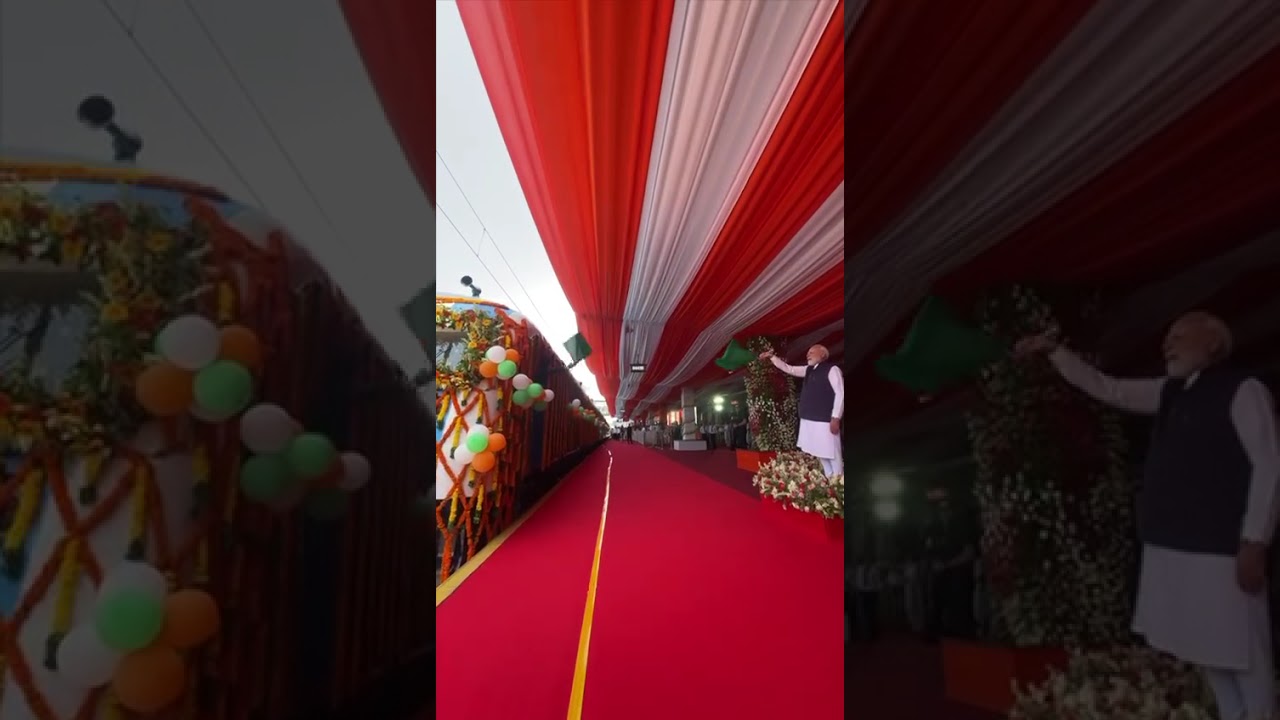
Indian Railways plans to introduce hydrogen-powered trains on selected heritage and regional routes. These trains are expected to reduce pollution and support India's goals for green energy and clean transportation.
📖 Key concepts explained in this lecture:
🔹 Fuel-cell technology
🔹 Electrolysis of water
🔹 Hydrogen storage methods
🔹 Energy conversion
🔹 Electric propulsion
🔹 Chemical reactions
🔹 Sustainable development
🔹 Green energy
🔹 Renewable resources
🔹 Railway engineering
🎯 Who should watch this video?
✔️ School students
✔️ College students
✔️ Engineering students
✔️ Railway enthusiasts
✔️ Competitive exam aspirants
✔️ Teachers and educators
✔️ Science lovers
If you found this lecture useful, do not forget to Like, Share, and Subscribe to the channel. Press the notification bell icon to receive updates about science, engineering, railway technology, and educational lectures.
🚆हाइड्रोजन ट्रेन पर पूरा लेक्चर | काम करने का तरीका, फ्यूल सेल, केमिकल रिएक्शन और एनर्जी की जानकारी,
Thank you for watching this complete lecture on Hydrogen Trains.
@ETMRI85 @MJMFC13 , EduTechno Mitra Research Institute, MJ Mitra Fan's Club, NAMO Green Rail, नमो ग्रीन रेल,
#HydrogenTrain #HydrogenFuelCell #CompleteLecture #RailwayTechnology #GreenHydrogen #HydrogenEnergy #FuelCell #CleanEnergy #IndianRailways #ScienceLecture #FutureTransport #RenewableEnergy #HydrogenEngine #TrainTechnology #Engineering
Повторяем попытку...
Доступные форматы для скачивания:
Скачать видео
-
Информация по загрузке: