NT 19.3 | Paul and Women: Scribal Insertions, Hidden Apostles, and What Paul Actually Wrote
Автор: Ludium
Загружено: 2026-02-27
Просмотров: 21
Описание:
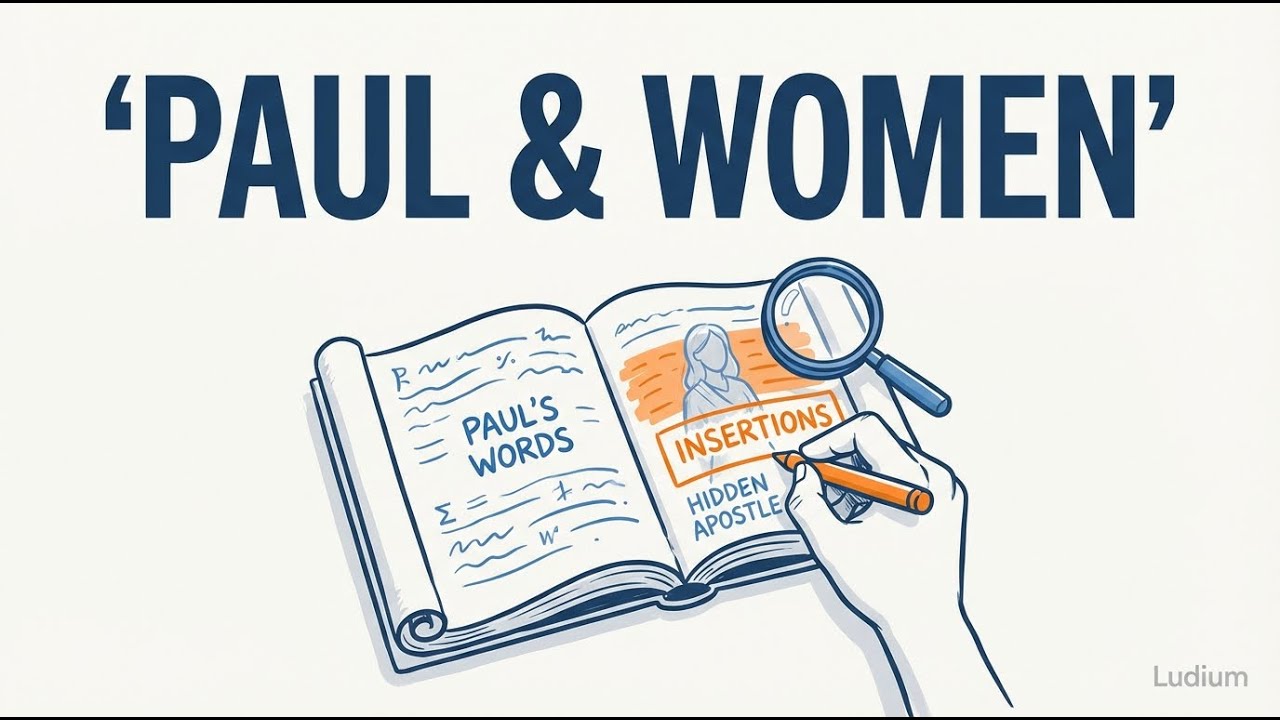
Did Paul really command women to be silent in church? The same letter that contains that famous prohibition also gives women instructions for praying and prophesying — just three chapters earlier. Textual criticism reveals that the silence passage was likely added by a later scribe, and that one of Paul's own female apostles was hidden by translators for seven hundred years.
This video examines the manuscript evidence behind the contradiction in 1 Corinthians, reconstructs how marginal notes entered biblical texts through the copying process, and recovers the women Paul named as leaders in Romans 16 — including Junia, whom he called "esteemed among the Apostles." It also explores the competing scholarly interpretations of Galatians 3:28 and the structural relationship between household order and women's authority in early Christianity.
Key concepts covered:
• The contradiction between 1 Corinthians 11:5 (women praying and prophesying) and 1 Corinthians 14:34-35 (women commanded to be silent)
• Manuscript evidence: why verses 34-36 appear in different locations across surviving Greek manuscripts
• Interpolation theory: how a scribal marginal note likely entered the body of the text at different insertion points
• Translation ambiguity in the Greek words anēr (man/husband) and gynē (woman/wife) and how translator choices shape meaning
• Romans 16 and Paul's named women leaders: Phoebe (deacon), Prisca (co-worker), Mary, and Junia (apostle)
• The Junia-to-Junias problem: how a female apostle was masculinized by translators from the 13th through the 20th century, and how feminist textual criticism restored her name
• Galatians 3:28 — the egalitarian reading versus the androgynous reading and why the debate remains open
• The structural link between pro-family theology and women's subordination across early Christian texts
• The Pastoral Epistles (1 Timothy, 2 Timothy, Titus) as pseudepigraphical works reinforcing domestic hierarchy
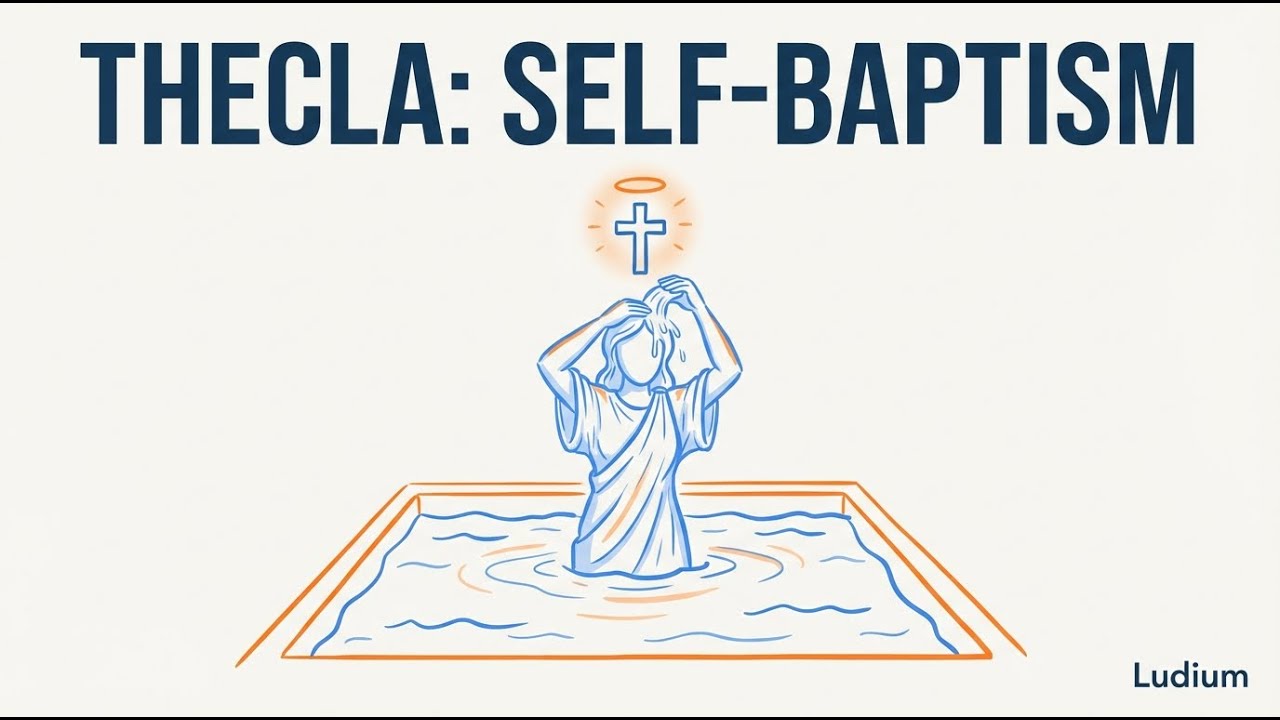
• The Acts of Paul and Thecla as a counter-tradition elevating women through rejection of marriage
• How textual criticism and translation history shape who gets to speak, lead, and be remembered in religious communities
━━━━━━━━━━━━━━━━━━━━━━━━
SOURCE MATERIALS
The source materials for this video are from • 19. The "Household" Paul: The Pastorals
Повторяем попытку...
Доступные форматы для скачивания:
Скачать видео
-
Информация по загрузке:

![Trump i Netanjahu uderzają. Rosja i Chiny bezsilne [Analiza]](https://imager.clipsaver.ru/NJ0t3ykIjLU/max.jpg)