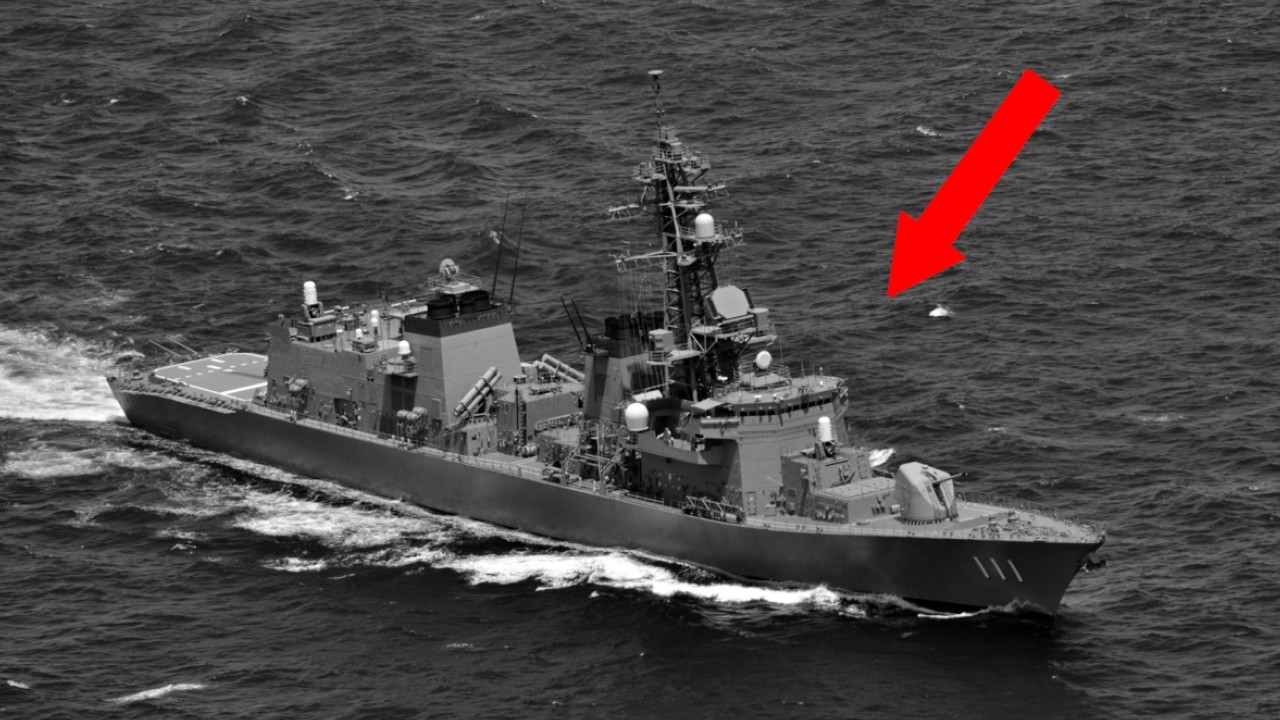
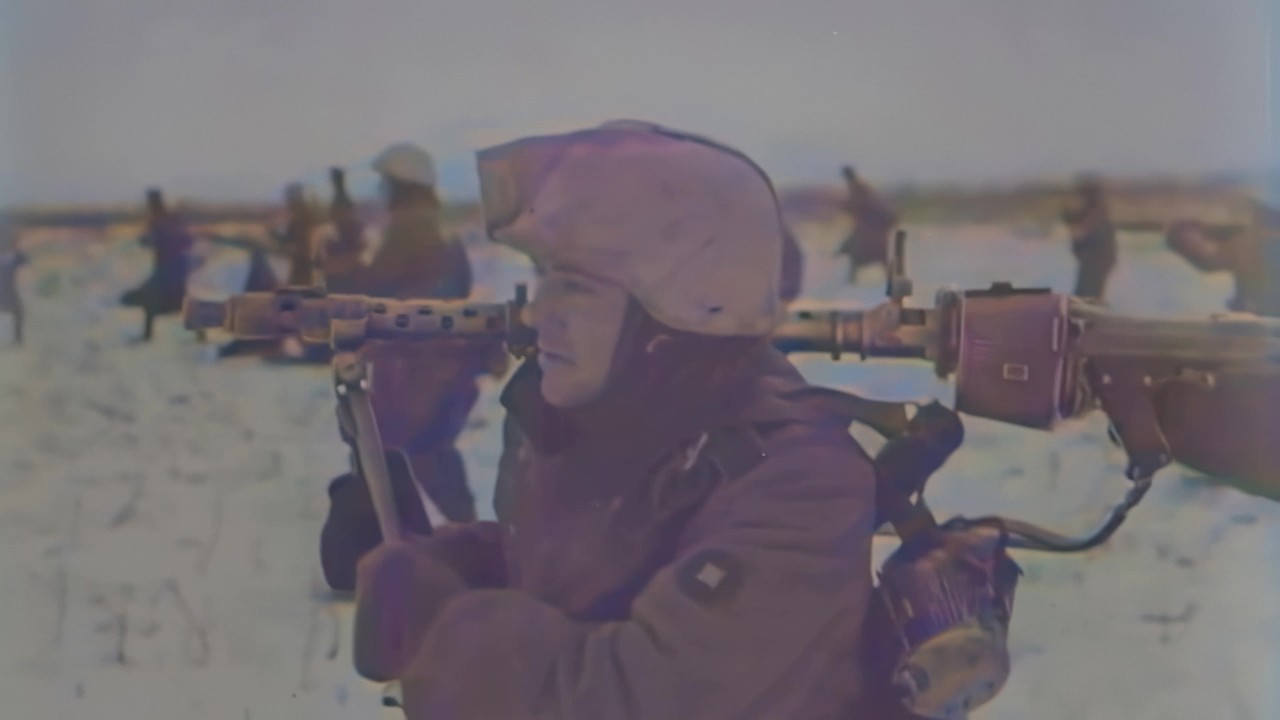
Battle of Moscow (III), German troops retreating from Moscow, Operation Typhoon
Автор: JK Park
Загружено: 2026-02-12
Просмотров: 900
Описание:
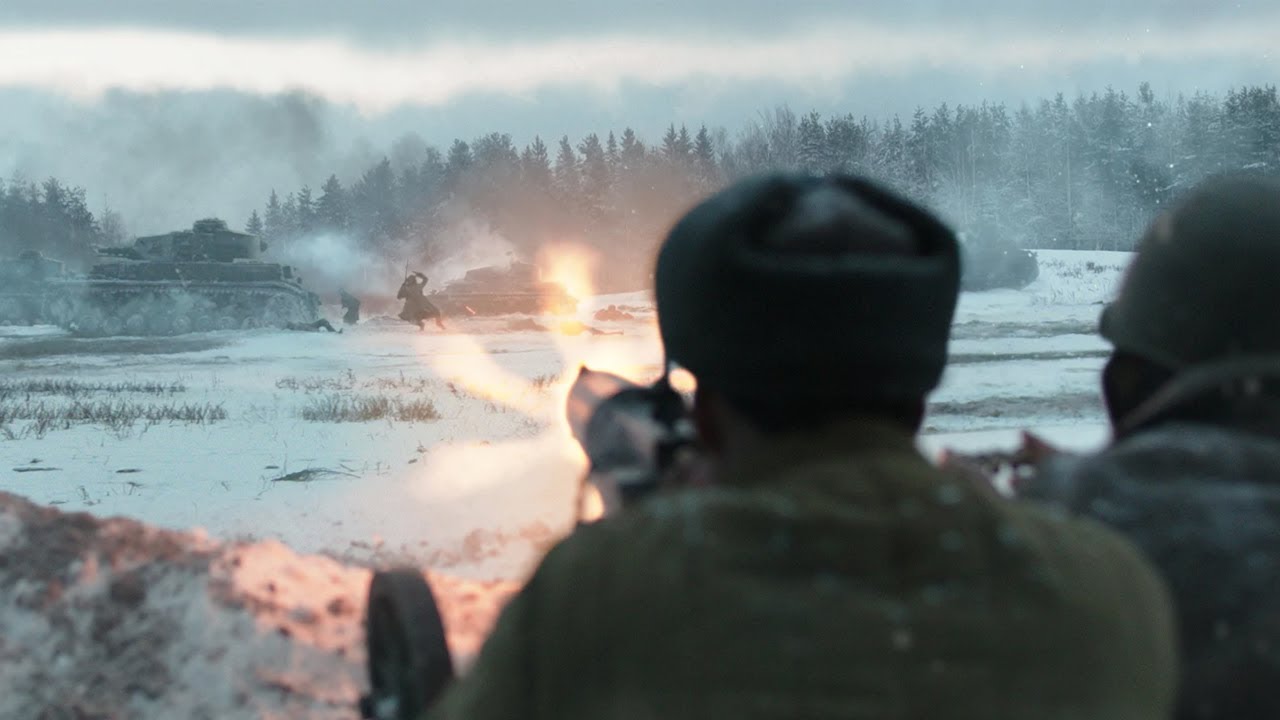
The Battle of Moscow was a military campaign that consisted of two periods of strategically significant fighting on a 600 km (370 mi) sector of the Eastern Front during World War II, between October 1941 and January 1942. The Soviet defensive effort thwarted Germany's attack on Moscow, the capital and largest city of the Soviet Union. Moscow was one of the primary military and political objectives for Axis forces in their invasion of the Soviet Union.
The German strategic offensive, named Operation Typhoon, called for two pincer offensives, one to the north of Moscow against the Kalinin Front by the 3rd and 4th Panzer Armies, simultaneously severing the Moscow–Leningrad railway, and another to the south of Moscow Oblast against the Western Front south of Tula, by the 2nd Panzer Army, while the 4th Army advanced directly towards Moscow from the west.
Initially, the Soviet forces conducted a strategic defence of Moscow Oblast by constructing three defensive belts, deploying newly raised reserve armies, and bringing troops from the Siberian and Far Eastern Military Districts. As the German offensives were halted, a Soviet strategic counter-offensive and smaller-scale offensive operations forced the German armies back to the positions around the cities of Oryol, Vyazma and Vitebsk, and nearly surrounded three German armies. It was a major setback for the Germans, and the end of their belief in a swift German victory over the USSR. As a result of the failed offensive, Field Marshal Walther von Brauchitsch was dismissed as supreme commander of the German Army on 19 December, with Hitler replacing him in the position.
Operation Barbarossa, the German invasion plan, called for the capture of Moscow within four months. On 22 June 1941, Axis forces invaded the Soviet Union, destroyed most of the Soviet Air Force (VVS) on the ground, and advanced deep into Soviet territory using blitzkrieg tactics to destroy entire Soviet armies. The German Army Group North moved towards Leningrad, Army Group South took control of Ukraine, and Army Group Centre advanced towards Moscow. By July 1941, Army Group Centre crossed the Dnieper River, on the path to Moscow.
On 16 July 1941, German forces captured Smolensk, an important stronghold on the road to Moscow. At this stage, although Moscow was vulnerable, an offensive against the city would have exposed the German flanks. In part to address these risks, and to attempt to secure Ukraine's food and mineral resources, Hitler ordered the attack to turn north and south to eliminate Soviet forces at Leningrad and Kiev. This delayed the German advance on Moscow. When that advance resumed on 30 September 1941, German forces had been weakened, while the Soviets had raised new forces for the defence of the city.
#worldwar2 #germanarmy #military #documentary
Повторяем попытку...
Доступные форматы для скачивания:
Скачать видео
-
Информация по загрузке: