How Distance Time Graphs work? (for GCSE Physics and GCSE Science)
Автор: VideoPlatoAcademy
Загружено: 2025-09-15
Просмотров: 23
Описание:
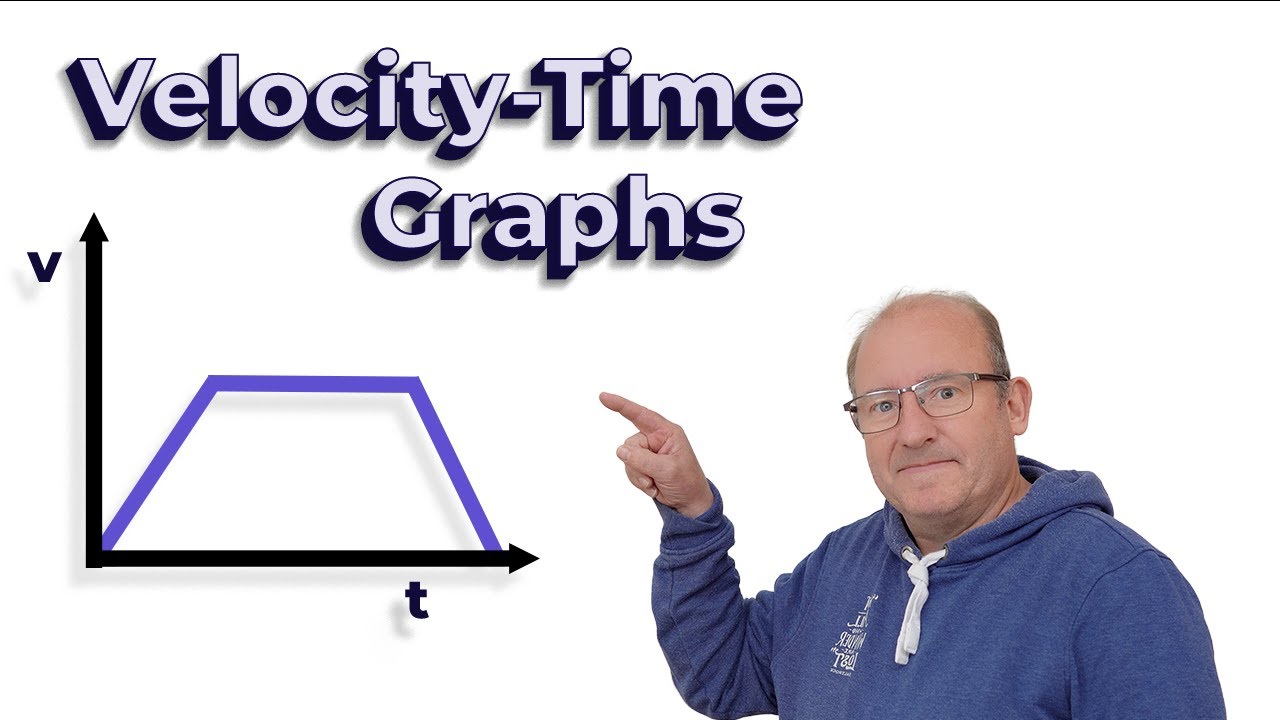
Distance-time graphs explained simply for GCSE Physics and GCSE Science students.
Understanding distance time graphs is essential for GCSE and IGCSE Physics. In this video, we break down what distance time graphs show, how to read them, and how to calculate speed from the gradient of the graph.
We’ll look at simple journeys, stopping points, constant speed, acceleration, and deceleration – all explained clearly with examples. You’ll learn:
How to plot time on the x-axis and distance on the y-axis
What a flat (horizontal) line means
How the gradient of a distance time graph represents speed
How to compare different graphs to identify faster or slower motion
The difference between acceleration, deceleration, and being stationary
Whether you’re preparing for your GCSE Physics exam or just want to understand motion graphs, this video will give you the knowledge you need.
---------------------------------------------------------------------------------------------------------------
Visit the website VideoPlatoAcademy.com for more information about resources, lessons, and courses.
----------------------------------------------------------------------------------------------------------------
0:00 What is a distance-time graph?
0:40 Distance-time graph example
1:19 Calculating the speed from a distance-time graph
1:36 Calculating the gradient of a distance-time graph
2:45 Comparing the gradients of distance-time graphs
3:54 More Videos and Free Physics Resources
4:20 Deceleration on a distance time graph
#distancetimegraph
#gcsephysics
#gcsephysicsgraphs
#igcsephysics
#gcsescience
Повторяем попытку...

Доступные форматы для скачивания:
Скачать видео
-
Информация по загрузке: