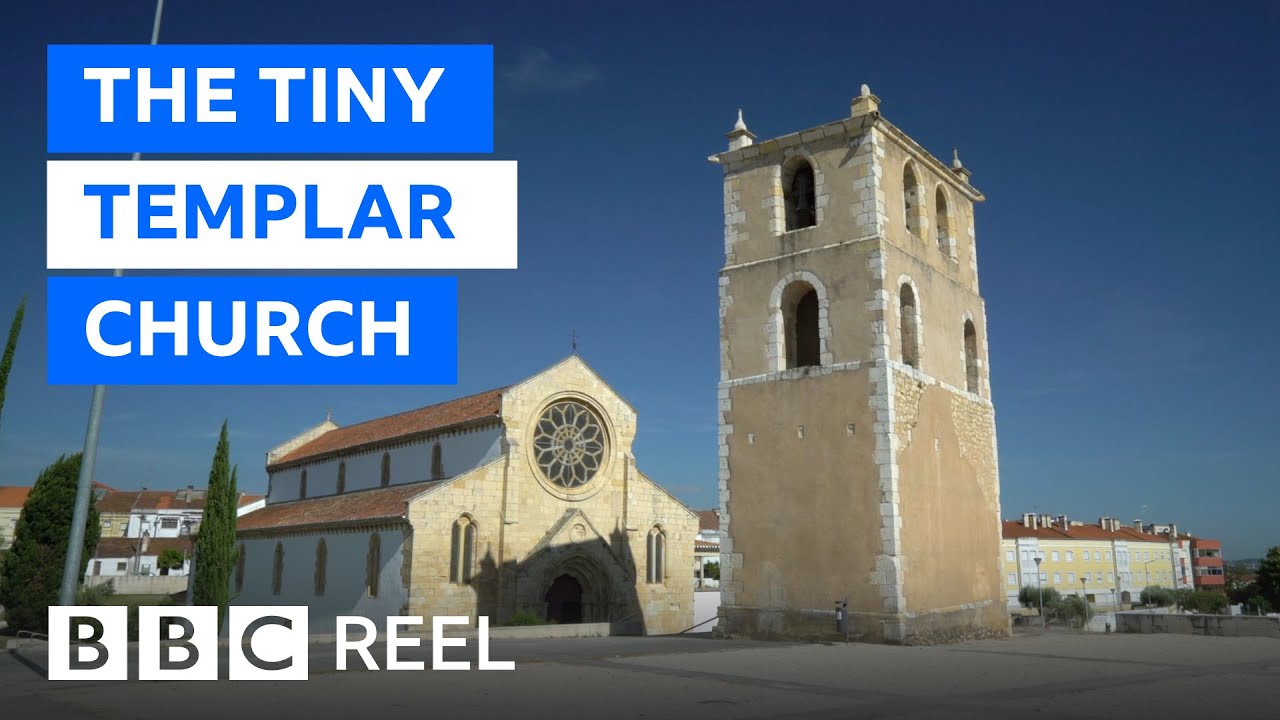
Tomar, the Order of the Knights Templar.
Автор: Chili Sili Piri Piri
Загружено: 2021-05-25
Просмотров: 3775
Описание:
Tomar, also known in English as Thomar, is a city and a municipality in the Santarém district of Portugal. The town proper has a population of about 20,000. The municipality population in 2011 was 40,677, in an area of 351.20 km2 (135.60 sq mi).
The town of Tomar was born inside the walls of the Convento de Cristo, constructed under the orders of Gualdim de Pais, the fourth grand master of the Knights Templar in the late 12th century.
Tomar is one of Portugal's historical jewels and, more significantly, was the last Templar town to be commissioned for construction. Tomar was especially important in the 15th century when it was a center of Portuguese overseas expansion under Henry the Navigator, the Grand Master of the Order of Christ, successor organization to the Templars in Portugal.
Under the modern city lies the Roman city of Sellium. After the conquest of the region from the Moors in the Portuguese Reconquista, the land was granted in 1159 as a fief to the Order of the Knights Templar. In 1160, Gualdim Pais, the Order's Grand master (order) in Portugal and Tomar's somewhat mythical founder, laid the first stone of the Castle and Convent of the Knights Templar that would become the headquarters of the Order in Portugal.
Local traditional legends preach that the choice was for mystical reasons and by divine inspiration, and from practices by the Grand Master of geomancy, based on exercises taken from luck and predestination. Reinforcing this magical view is the setting of the site among a small chain of seven elevations (lugar dos sete montes), which became known as the city of seven hills, as the seven hills of Jerusalem, the seven hills of Rome or the seven columns of Constantinople.
The foral or feudal contract was granted in 1162 by the Grand Master to the people. The Templars ruled from Tomar a vast region of central Portugal which they pledged to defend from Moorish attacks and raids. Like many lords of the unpopulated former frontier region of central Portugal, the villagers were given relatively liberal conditions in comparison with those of the northern regions of Portugal, in order to attract new immigrants. Those inhabitants who could sustain a horse were obliged to pay military service in return for privileges. They were not allowed the title of Knight which was reserved to the Templars. Women were also admitted to the Order, although they did not fight.
In 1190 Abu Yusuf Yaqub al-Mansur, a Almohad caliph, and his army attacked Tomar. However the crusader Knights and their 72-year-old leader, Gualdim Pais, kept them at bay. A plaque commemorates this bloody battle at the Porta do Sangue at the Castelo Templário (Castle of Tomar).
In 1314, under pressure from the Pope Clement V, the order was suppressed. Philip IV of France, who owed the Templars huge debts, held the pope a virtual prisoner and coerced him to suppress the order on bases of false accusations and forced confessions. The Order was suppressed in most of Europe and its holdings were to be transferred to the Knights Hospitalers. Instead, King Dinis negotiated the transfer of the Order's possessions and personnel in Portugal to a newly created Order of Christ. This Order moved in 1319 to Castro Marim, but in 1356 it returned to Tomar.
In the 15th century and thereafter, the (cleric) Grand Master of the Order was nominated by the Pope and the (lay) Master or Governor by the King, instead of being elected by the monks. Henry the Navigator was made the Governor of the Order, and it is believed that he used the resources and knowledge of the Order to succeed in his enterprises in Africa and in the Atlantic. The Order of Christ Cross was painted in the sails of the caravels that crossed the seas, and the Catholic missions in the new lands were under the authority of the Tomar clerics until 1514.
Henry, enriched by his overseas enterprises, was the first ruler to ameliorate the buildings of the Convento de Cristo since its construction by Gualdim Pais. He also ordered dams to be built to control the Nabão River and swamps to be drained. This allowed the burgeoning town to attract more settlers. Henry ordered the new streets to be designed in a rational, geometrical fashion, as they can still be seen today.
https://en.wikipedia.org/wiki/Tomar
Повторяем попытку...

Доступные форматы для скачивания:
Скачать видео
-
Информация по загрузке:

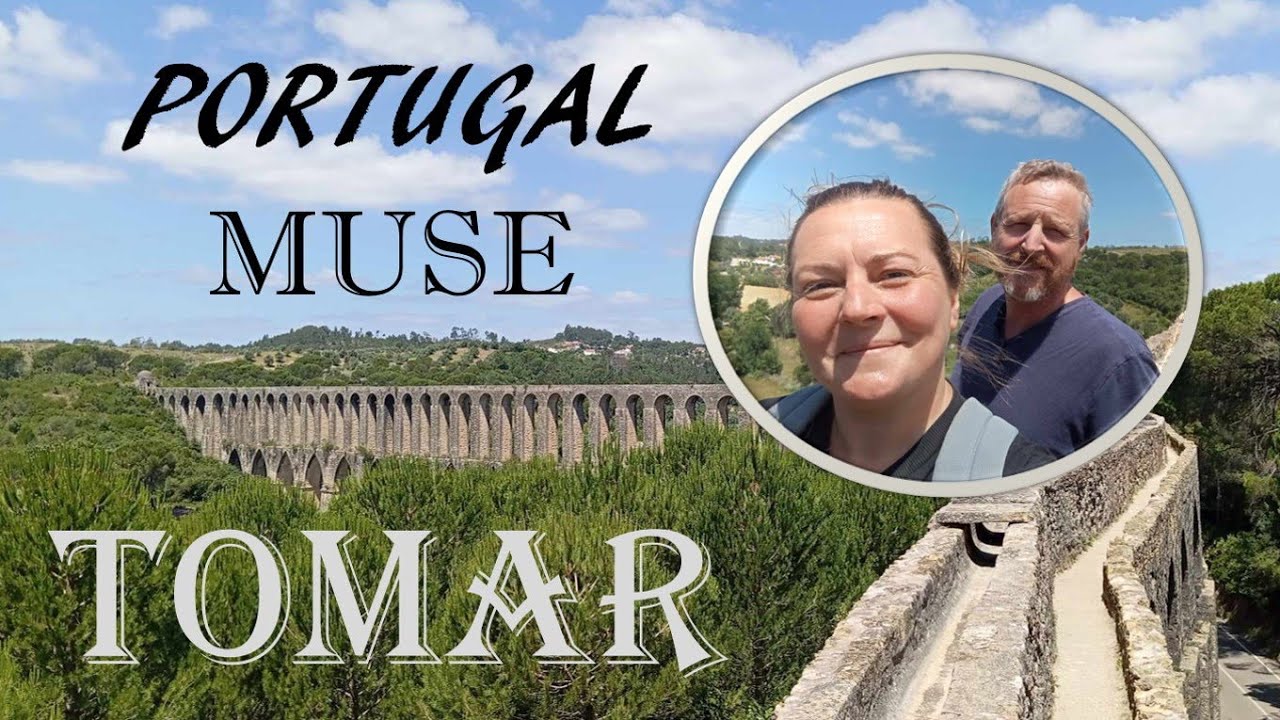

![Томар, Португалия: город и история тамплиеров! (Часть 1) [4K]](https://imager.clipsaver.ru/6oV96r9IM2E/max.jpg)
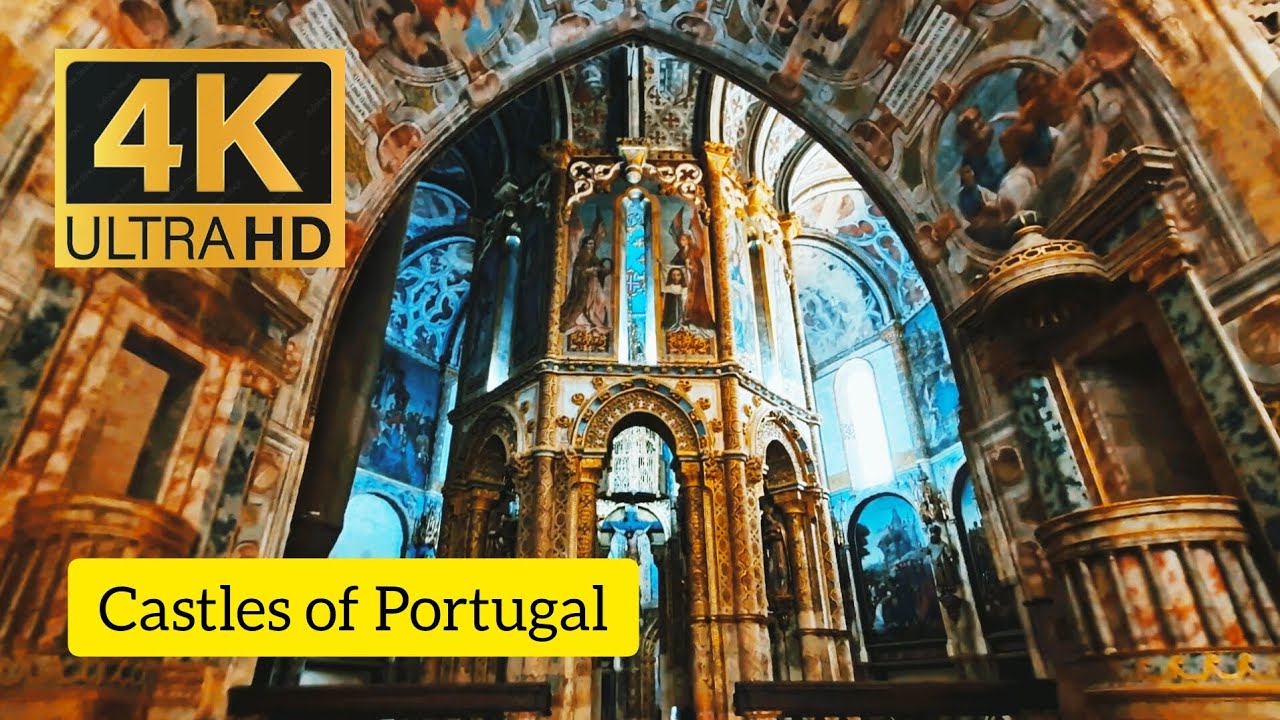




![Томар, Португалия: удивительный замок и монастырь тамплиеров! (Часть 2) [4K]](https://imager.clipsaver.ru/c8ngWWkli_g/max.jpg)