Season One, Episode Nine — Time Is the Asset You’re Actually Compounding
Автор: Only Life After All
Загружено: 2026-02-02
Просмотров: 0
Описание:
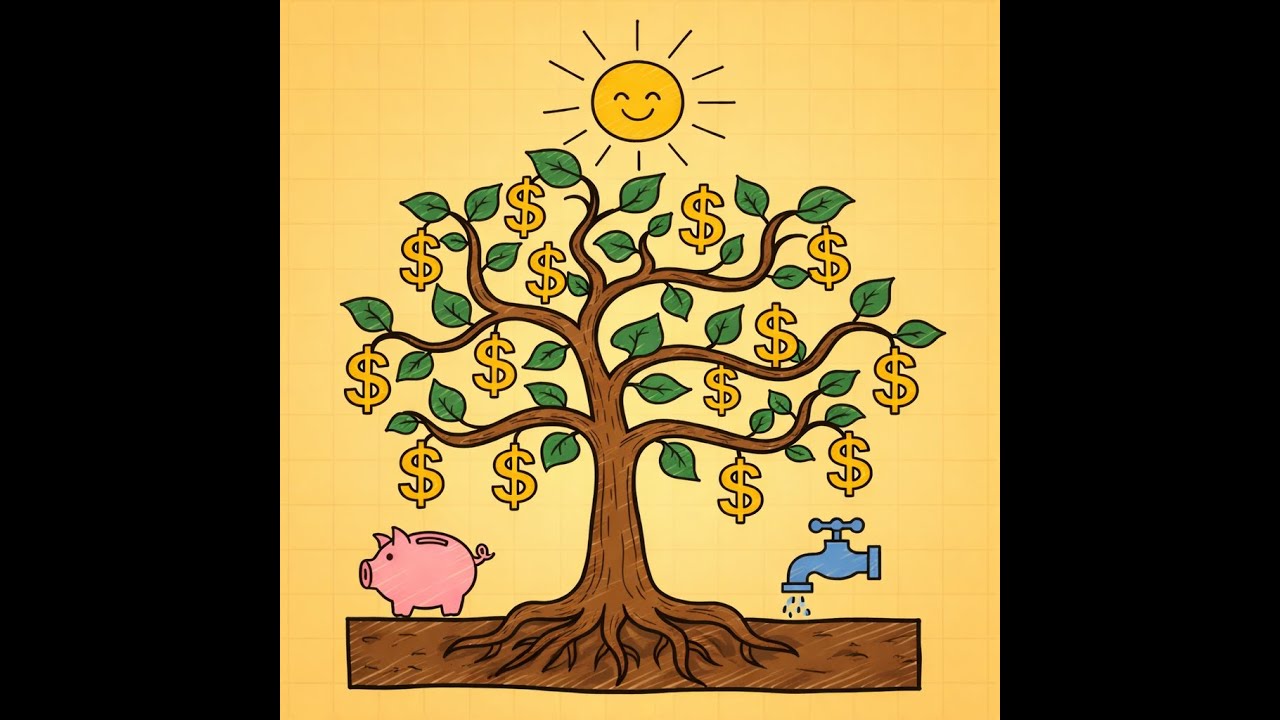
When people talk about compounding,
they usually mean money.
Returns on returns.
Growth over time.
The math doing its quiet work.
But money isn’t the only thing that compounds.
And it’s not even the most important one.
What actually compounds—
whether you intend it to or not—
is time.
Time compounds habits.
Time compounds decisions.
Time compounds stress,
or calm.
And unlike money,
time compounds experience.
How money feels to live with
year after year
ends up mattering more
than how well it performs in any single stretch.
This is where many financial plans quietly break down.
They assume a smooth path.
Consistent behavior.
Stable psychology.
But people don’t live in spreadsheets.
They live inside bodies that get tired,
lives that change,
and circumstances that don’t ask permission.
Over time,
systems that require constant vigilance
compound fatigue.
Systems that are calm
compound patience.
This matters because financial success
is rarely undone by a single bad decision.
It’s undone by years of small friction.
The feeling of always needing to adjust.
The sense that something should be done.
The background hum of monitoring and comparison.
That friction compounds, too.
And eventually, it shows up
as impulsive changes,
abandoned plans,
or unnecessary risk-taking.
Designing with time in mind
means asking a different question.
Not,
“What performs best right now?”
But,
“What can I live with—
consistently—
for a long time?”
That question changes everything.
When time horizons are long,
mistakes are easier to absorb.
When time horizons shorten,
design matters more than brilliance.
This isn’t about age alone.
It’s about margin.
How much room you have
to recover,
to adapt,
to wait.
The less margin there is,
the more important it becomes
to reduce friction
before it compounds.
This is why calm systems
tend to look conservative over short windows
and resilient over long ones.
They don’t demand constant engagement.
They don’t rely on perfect timing.
They don’t punish you for being human.
They let time do its work
instead of fighting it.
There’s also a psychological side to compounding
that rarely gets discussed.
Confidence compounds.
So does doubt.
Every period of stability
makes the next one easier to tolerate.
Every forced decision under pressure
makes future uncertainty feel heavier.
Over years,
that difference becomes decisive.
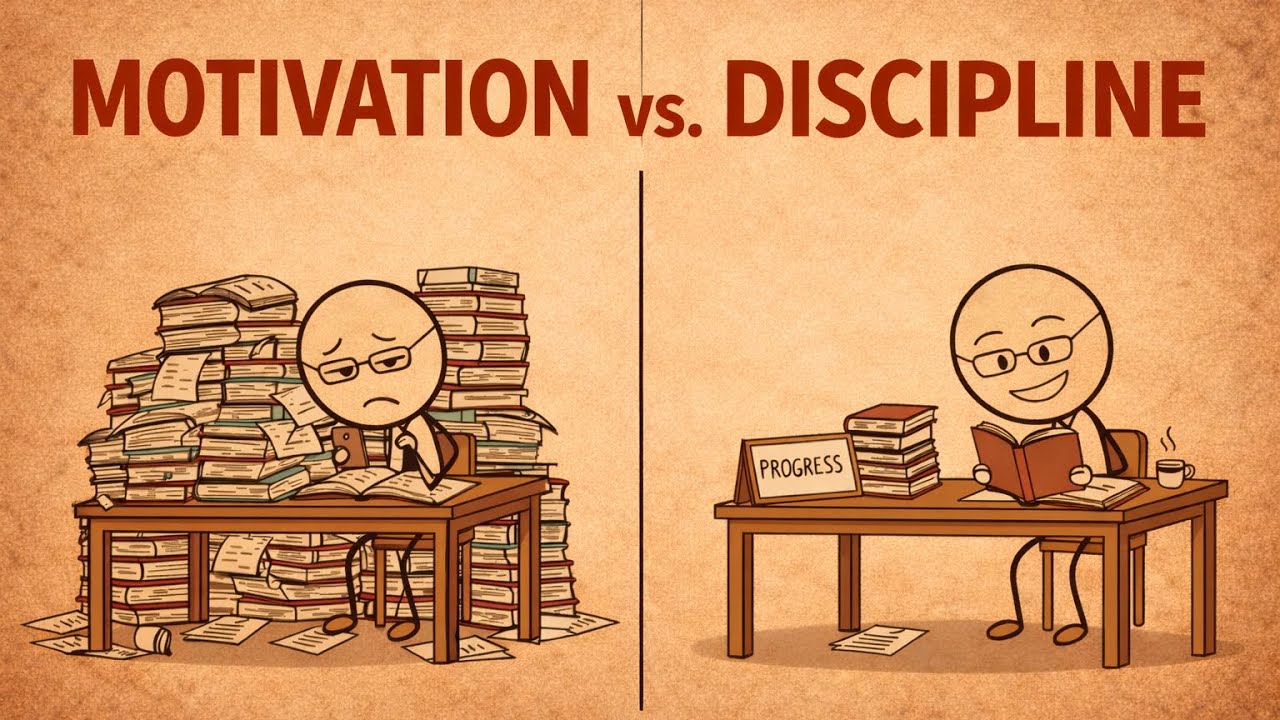
This is one reason consistency
beats intensity.
Not because intensity never works,
but because it’s harder to sustain.
Time rewards what can be repeated
without strain.
It penalizes what requires constant effort
to maintain.
That’s as true psychologically
as it is financially.
When money is designed with time in mind,
several things happen quietly.
You check less often.
You react less quickly.
You feel less urgency
to change what isn’t broken.
Not because you’re disengaged—
but because the system isn’t asking for intervention.
Time becomes an ally,
not a threat.
If there’s one idea to carry forward from this episode,
it’s this:
You are always compounding something.
The question is
whether you’re compounding calm
or compounding friction.
Good financial design
tilts that equation gently,
so time works for you
instead of against you.
In the next episode,
we’ll look at a subtle but common source of friction—
the urge to keep changing things.
Why “just one more improvement”
often costs more than it delivers,
and how learning when to stop
is part of building a finished system.
Повторяем попытку...

Доступные форматы для скачивания:
Скачать видео
-
Информация по загрузке: