How Karamu is threatening Australian native plants and wildlife | Discovery | Gardening Australia
Автор: Gardening Australia
Загружено: 2021-10-02
Просмотров: 10295
Описание:
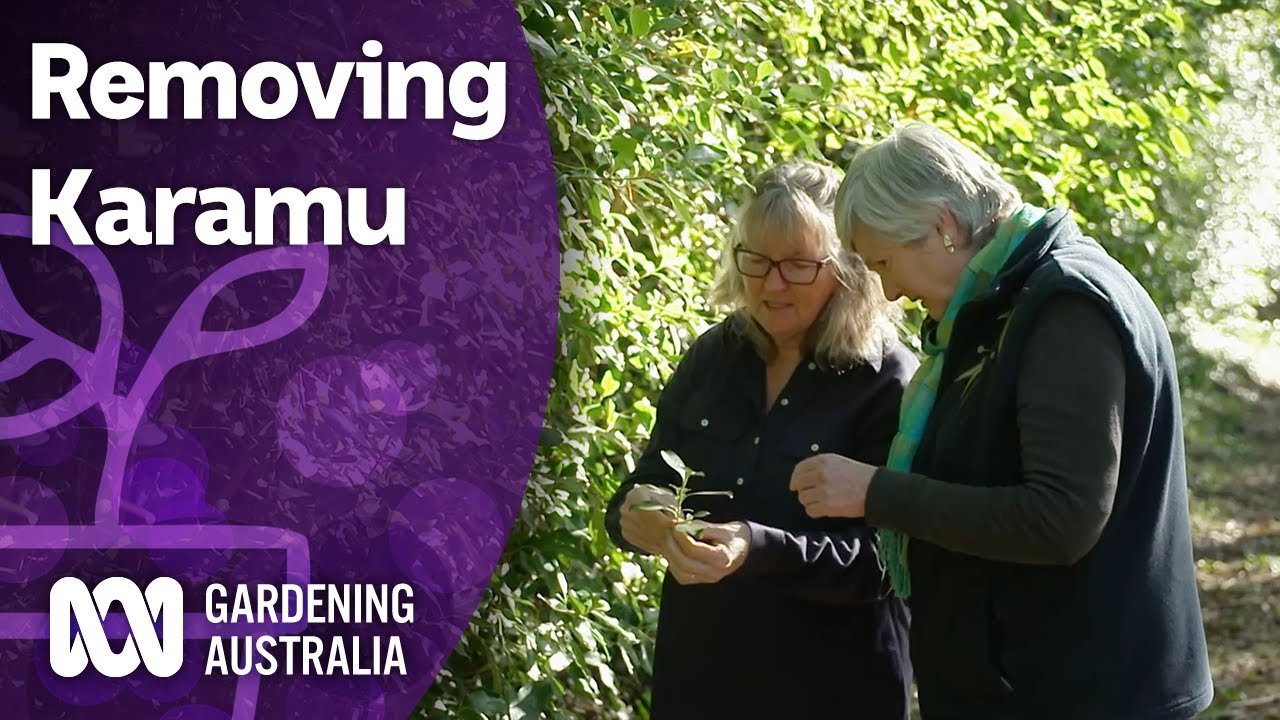
Jane is investigating an invasive plant that is threatening our native bushland and wildlife, and meets the people who are fighting to stop it in its tracks. Subscribe 🔔 http://ab.co/GA-subscribe
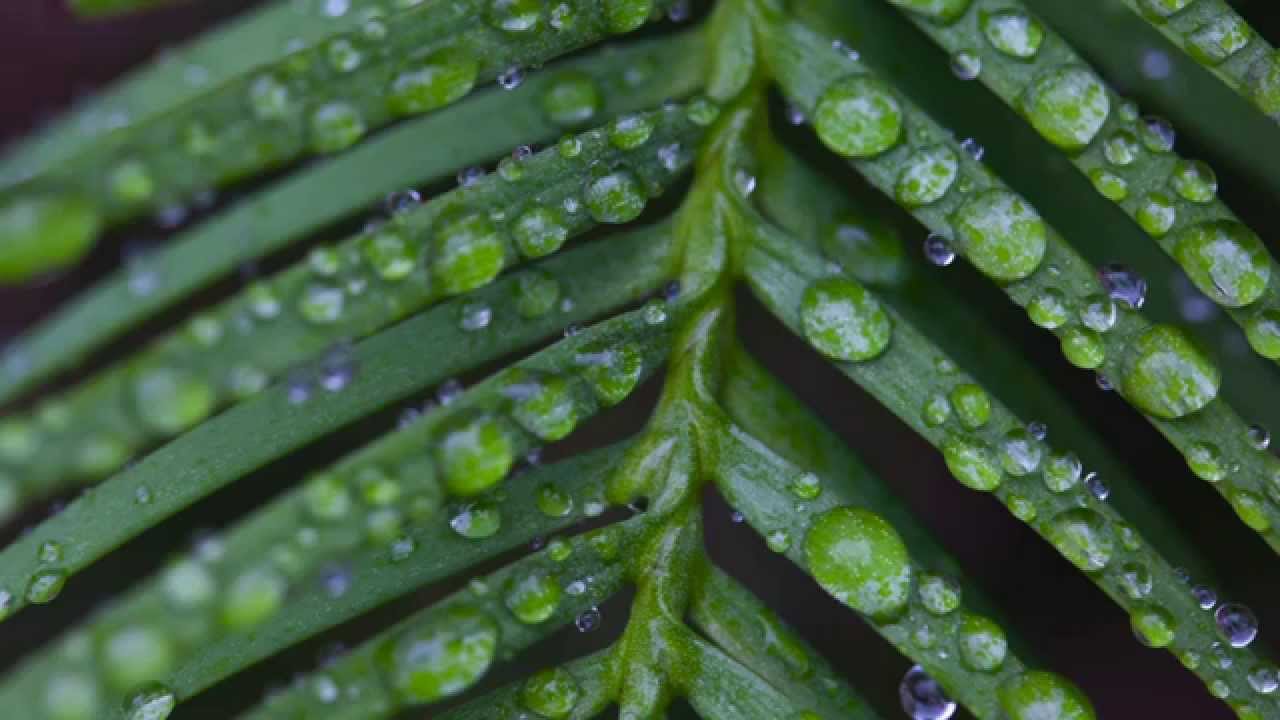
This is Karamu or Coprosma robusta. It’s native to New Zealand and is also known as the New Zealand Currant Bush. It thrives in the cool, wet fertile areas of Australia.
It started out as a garden plant but now it’s guilty of being an invasive weed in Victoria as well as a noxious weed in Tasmania.
Michelle Stacy is a farmer on Victoria’s Mornington Peninsula and is also president of the Main Creek Landcare group.
What’s so bad about Karamu?
It forms dense thickets where nothing else can grow. It shades out the understorey and then slowly kills off other layers by out-competing trees for water - even large wattles and gum trees. Seed can stay dormant for many years, so it can keep on coming back. Left untended, the trees get huge - Michelle found a ‘grandmother’ plant that measured 700mm across the trunk.
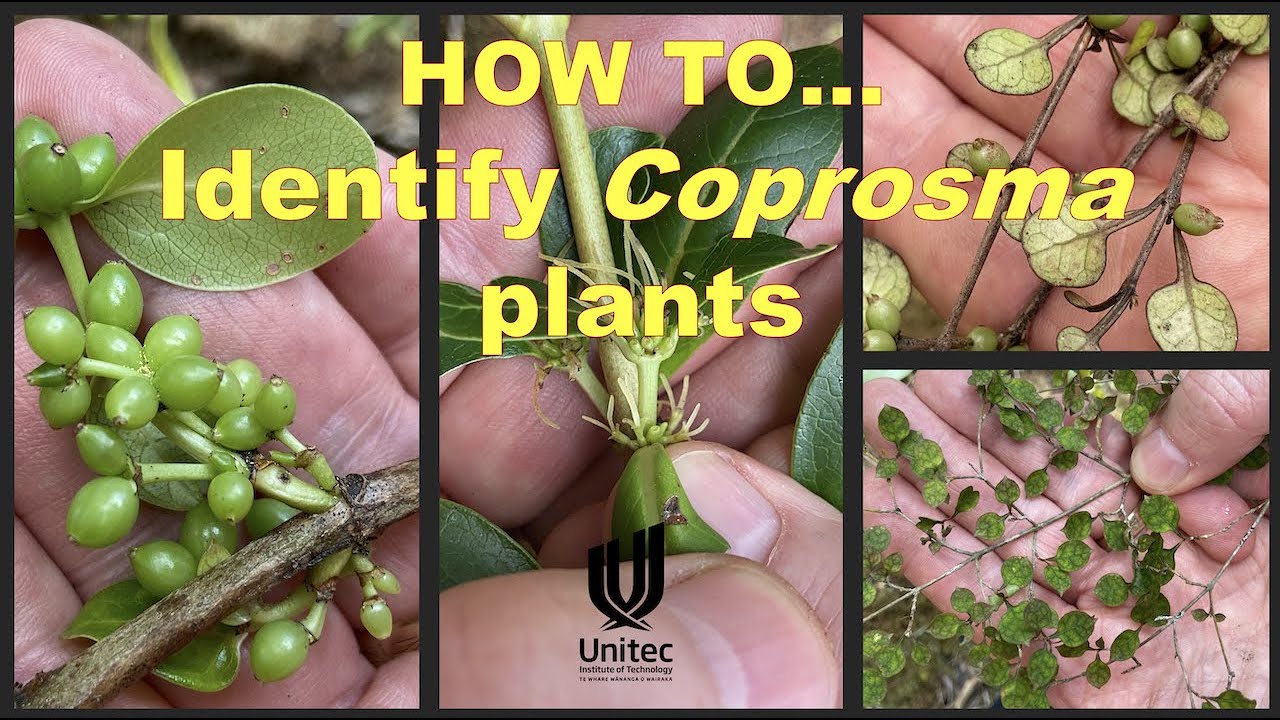
How do you know if it’s Karamu?
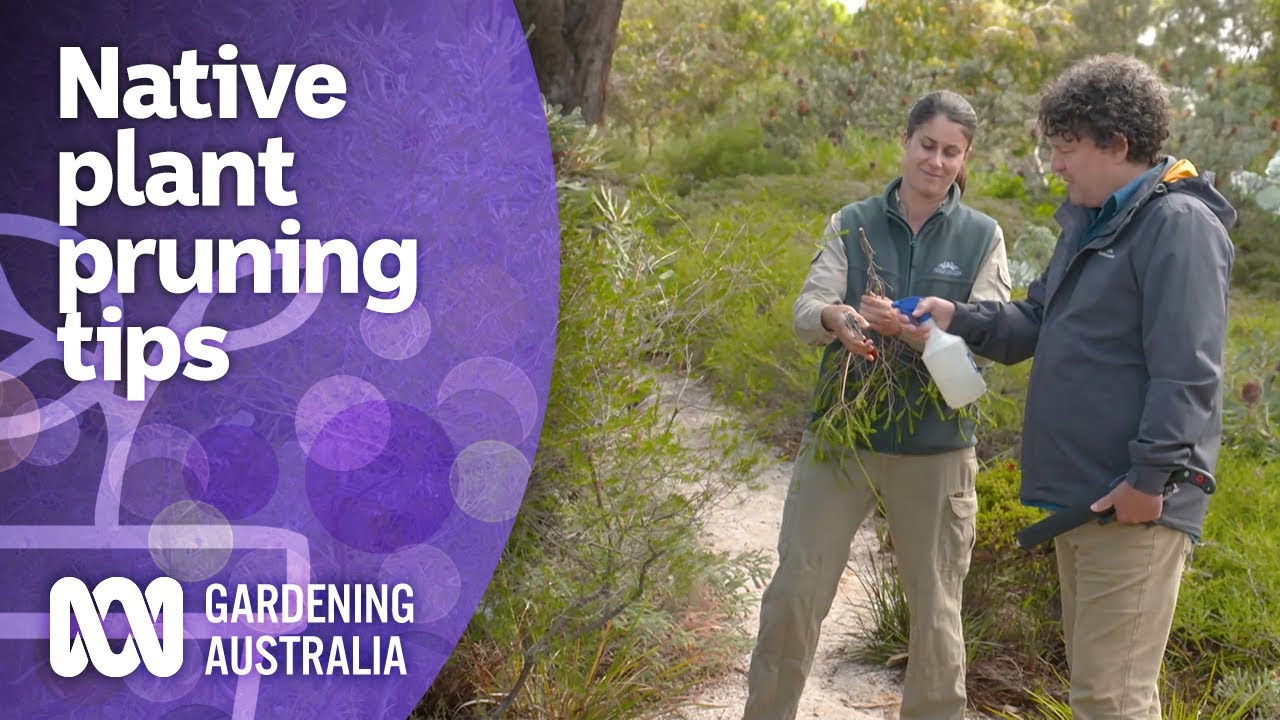
Michelle explains and shows the different characteristics to identify Karamu. When in doubt consult an expert or get in touch with the Main Creek Landcare group (details are on the Gardening Australia website).
Main Creek Landcare first got funding to fight it in 2016. This area at Red Hill has some really big, old Karamu, up to 5-6m tall. It could be ‘ground zero’ for the local infestation. Michelle says: “in really bad areas it can be a total forest - a sterile thicket that you couldn’t move in - the only way is to get in is with forestry mulchers. This means having to replant afterwards because nothing is left.” They have spent tens of thousands of dollars clearing some bad sections.
What’s the impact on wildlife?
Amanda Jane Breidahl is a vet as well as a member of Landcare. Landcare has worked hard to create successful biolinks, such as the land at the rear of this property - giant shelter belts following creek lines across dozens of private properties to create wildlife and habitat corridors. The last thing they need is Karamu getting a hold. Karamu has berries that birds eat, dropping seed in the bush, where it swamps native plants.
Karamu poses a specific threat to one particular native plant. A few years ago, Michelle spotted an unusual plant with characteristics of both Karamu and its Aussie cousin, Prickly Currant Bush (Coprosma quadrifida). They sent samples to the Melbourne Herbarium, who confirmed it was a new species, but to take it a step further and prove it was a hybrid, the group had to send it away for DNA. Michelle says: “this is very significant as it shows Karamu is breeding with local natives and producing potentially fertile plants, which could cause even more damage.”
While it all sounds like bad news, there is also some good news. Karamu is still in its early invasive stage and it is still possible – with a lot of communal effort – to eliminate it. Weed expert Virginia Carter shows how it’s done. Virginia says: “Because this site has some good remnant vegetation and a lot of wildlife, we don’t want to disturb it too much.”
For small seedlings, Virginia uses a knife to help hand-weed the plants. Medium-sized saplings (to 1m) are cut down and the base poisoned using a brilliant spot-gun applicator.
For big trees in dense areas, Virginia uses a technique called frilling and poisoning where she hacks the trunk bases with a machete/chain saw to create ‘frills’, then applies poison onto the exposed cambium wood (where the sap flows). She leaves these bigger trees in place, so even when dead they provide some habitat until the bush can recover.
What can gardeners do?
To tackle Karamu, the whole community needs to get on board.
Virginia says: “When plants are young, you can spray or hand-weed,” says Michelle, “we need people to look for it in gardens and on verges - and to keep looking for it over coming years.”
The final verdict on Karamu? Well, the jury is still out but if everyone pitches in, there’s still a good chance of eradicating this invasive weed.
Filmed on Boon Wurrung & Bunurong Country | Mornington Peninsula, Vic
___________________________________________
Gardening Australia is an ABC TV program providing gardening know-how and inspiration. Presented by Australia's leading horticultural experts, Gardening Australia is a valuable resource to all gardeners through the television program, the magazine, books, DVDs and extensive online content.
Watch more: http://iview.abc.net.au/programs/gard...
Facebook: / gardeningaustralia
Instagram: / gardeningaustralia
Web: http://www.abc.net.au/gardening
___________________________________________
This is an official Australian Broadcasting Corporation YouTube channel. Contributions may be removed if they violate ABC's Online Conditions of Use http://www.abc.net.au/conditions.htm (Section 3).
Повторяем попытку...
Доступные форматы для скачивания:
Скачать видео
-
Информация по загрузке: