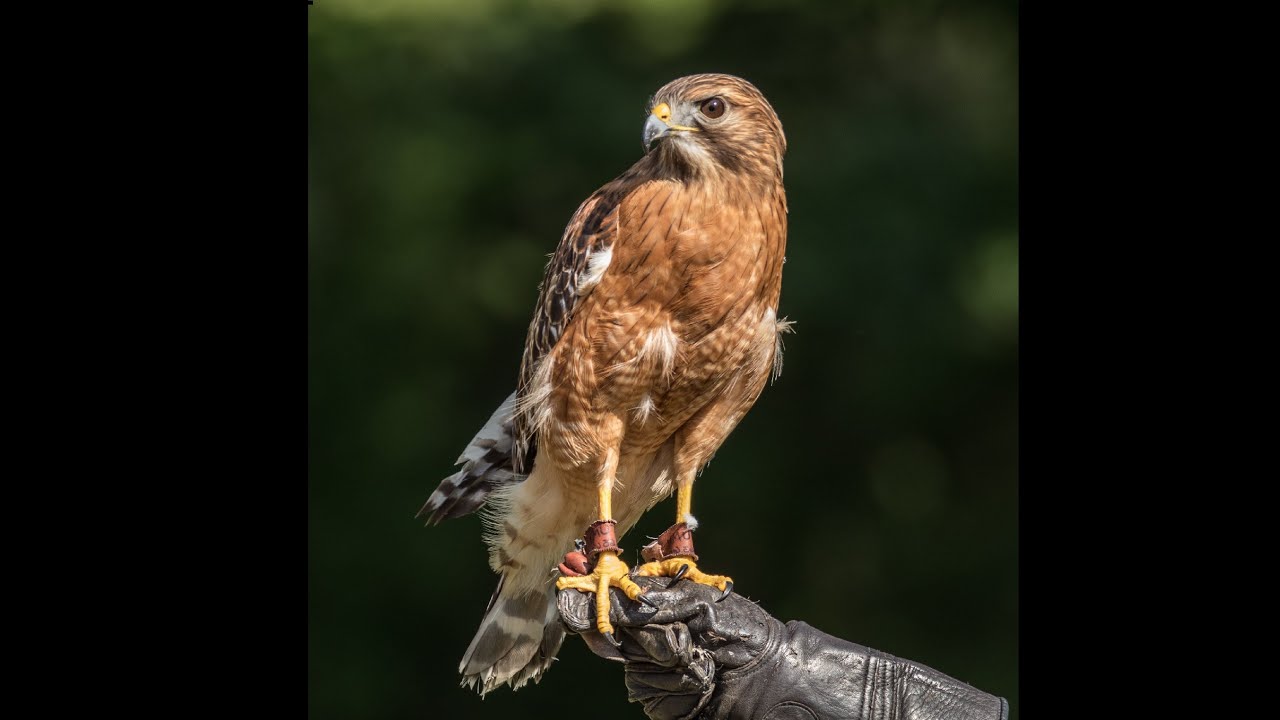
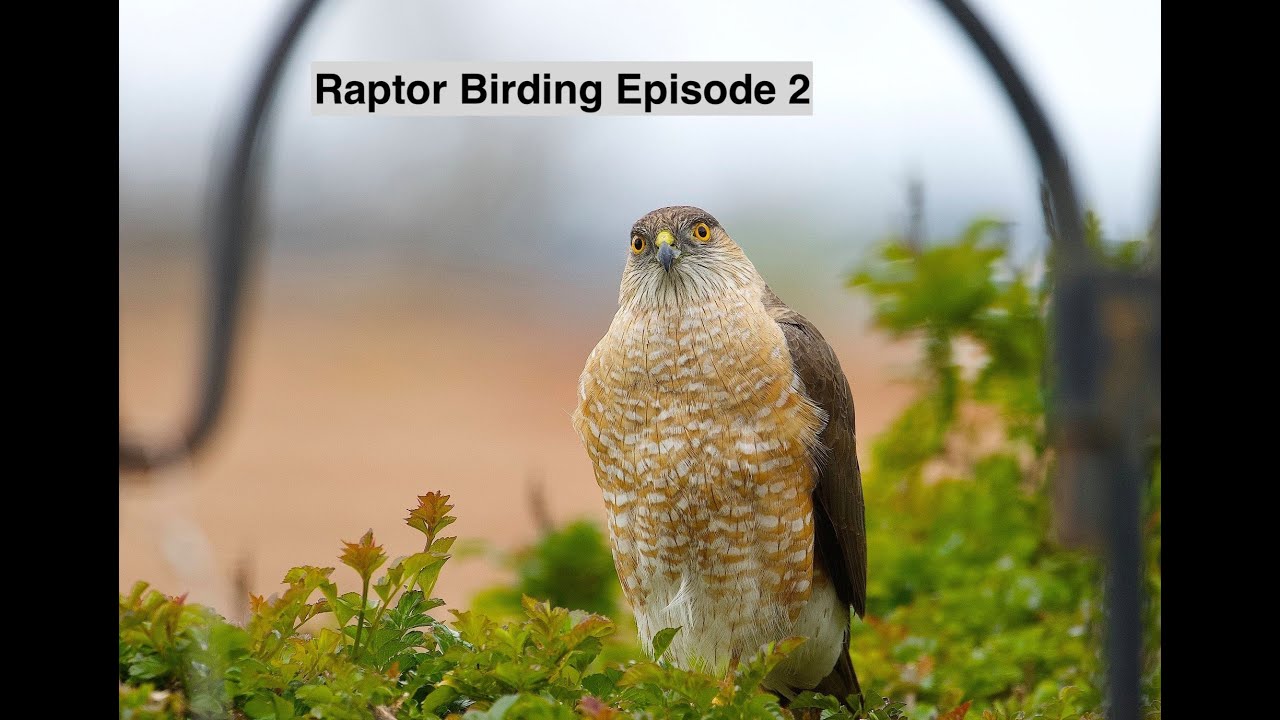
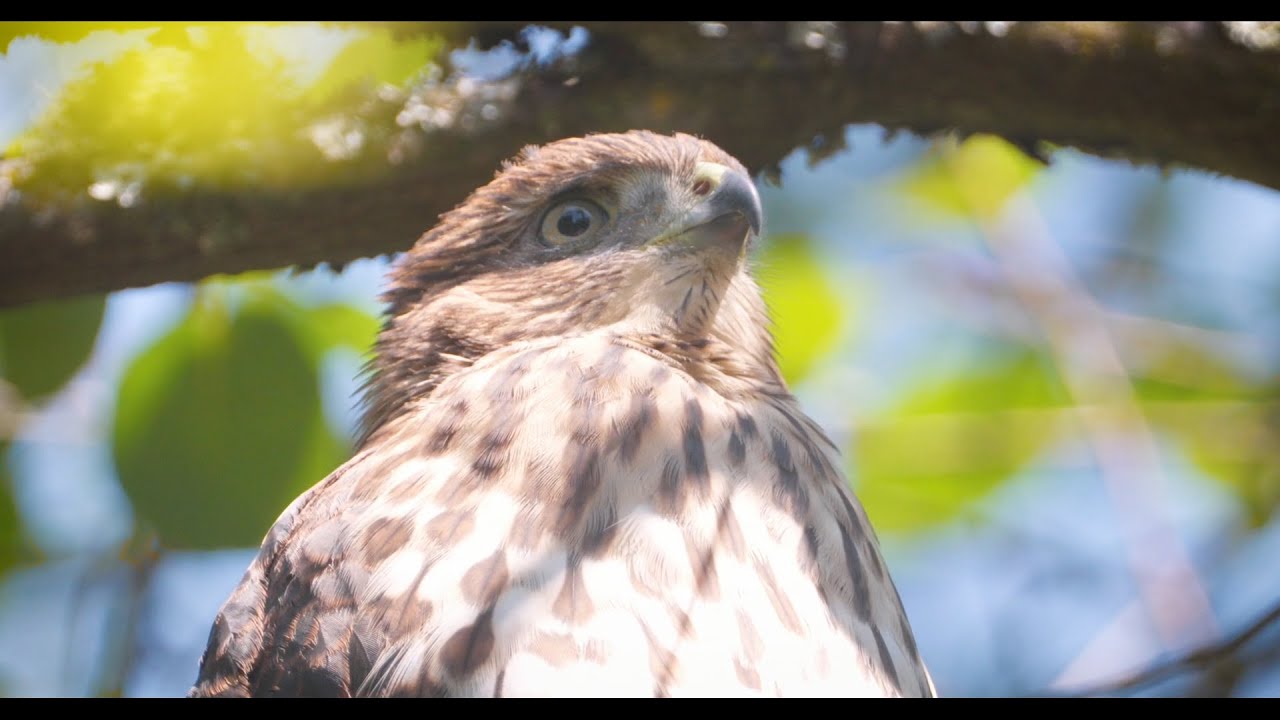
Cooper's Hawk facts 🦅 medium-sized hawk native to the North American continent
Автор: Amazing Planet!
Загружено: 2021-02-02
Просмотров: 1249
Описание:
#amazinganimals facts for kids
Cooper's hawk is a medium-sized hawk native to the North American continent and found from southern Canada to Mexico. This species is a member of the genus Accipiter, sometimes referred to as true hawks, which are famously agile, relatively small hawks common to wooded habitats around the world and also the most diverse of all diurnal raptor genera. As in many birds of prey, the male is smaller than the female. The birds found east of the Mississippi River tend to be larger on average than the birds found to the west. It is easily confused with the smaller but similar Sharp-shinned hawk.
The species was named in 1828 by Charles Lucien Bonaparte in honor of his friend and fellow ornithologist, William Cooper. Other common names for the Cooper's hawk include: big blue darter, chicken hawk, flying cross, hen hawk, quail hawk, striker, and swift hawk. Many of the names applied to the Cooper's hawks refer to their ability to hunt large and evasive prey using extremely well-developed agility. This species primarily hunts small-to-medium-sized birds, but will also commonly take small mammals and sometimes reptiles.
Like most related hawks, Cooper's hawks prefer to nest in tall trees with extensive canopy cover and can commonly produce up to two to four fledglings depending on conditions. Breeding attempts may be compromised by poor weather, predators and anthropogenic causes, in particular the use of industrial pesticides and other chemical pollution in the 20th century.
Despite declines due to manmade causes, the bird remains a stable species.
The Cooper's hawk tend to occur in various types of temperate deciduous forest and mixed forest. They are also adaptable in all seasons to forested mountainous regions, especially foothills. The species may further make itself at home in some pure conifer forest, including the extreme southern part of the taiga but also in many parts of the west. The species can habituate favorably while breeding to various kinds of open woodlands, including small woodlots, riparian woodlands in dry country, pinyon woodlands, farmlands and floodplains. In fact, some authors felt the species increased locally in wooded parts of the Rocky mountains after human habitat fragmentation of once continuous woodland areas. Adaptability to forest fragmentation has also been reported in other parts of the range.
Повторяем попытку...

Доступные форматы для скачивания:
Скачать видео
-
Информация по загрузке: