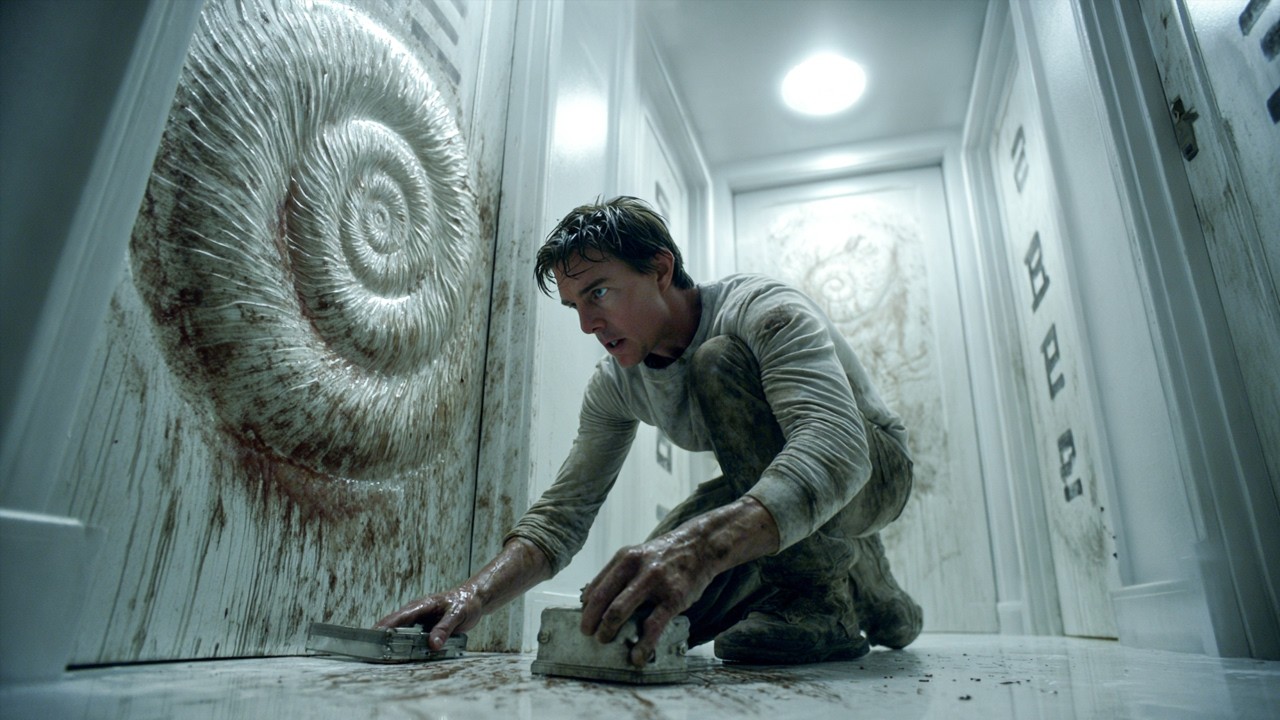
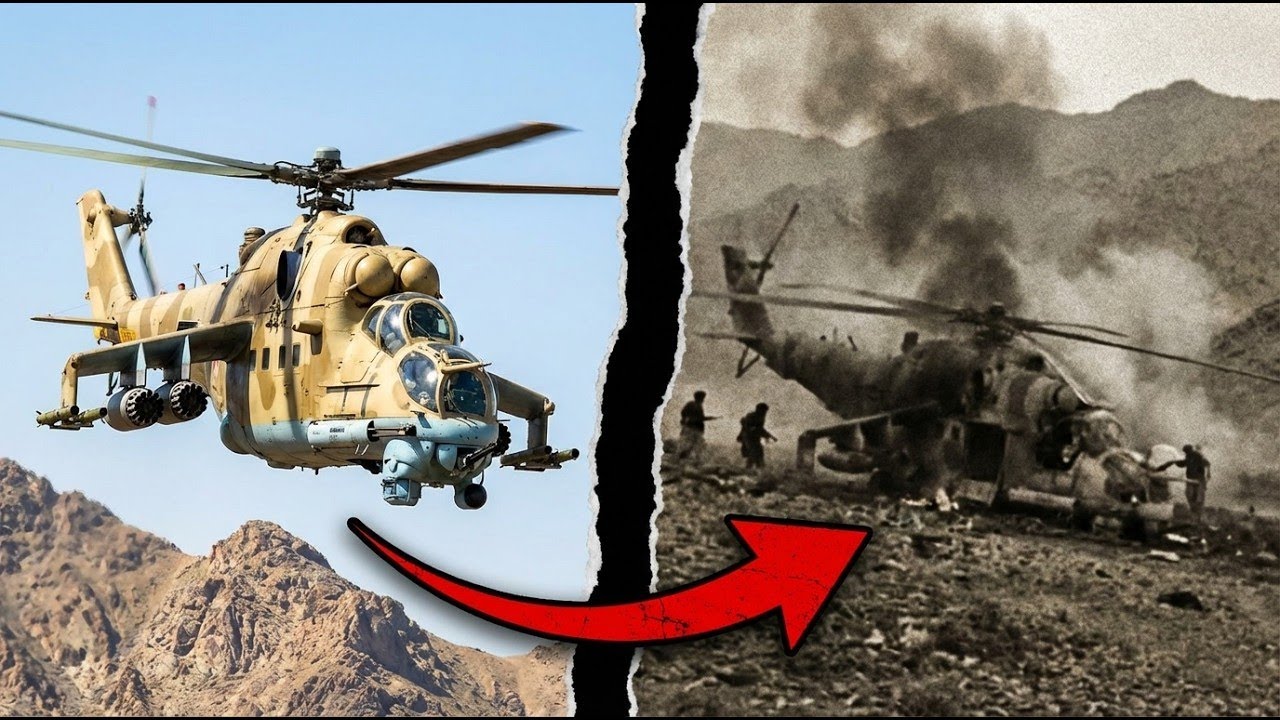
Veo 3.1 Testing Animation por IA - UD-4L Cheyenne Dropship
Автор: Motor de Modelado
Загружено: 2025-10-17
Просмотров: 26
Описание:
VISUAL ANCHOR POINT METHOD - Testing Animation por IA
The Visual Anchor Point method is a practical and powerful technique for extending AI-generated cinematic sequences, ensuring visual consistency, narrative continuity, and total creative control.
It is based on a simple principle: an initial image and an original JSON act as a starting point or visual anchor, upon which new video extensions are built, thus generating a coherent and fluid sequence.
Furthermore, the Visual Anchor Point is very important in the creation of a female character, especially "the female heroine," given that: The viewer clearly imprints the actor's physical characteristics in their mind, thus creating an emotional bond: It is no longer just "the actor with his eyes and face." Now it is "the bright-eyed hero who has lost everything." Physical characteristics carry the emotional weight of the plot. And whether the actor is facing away or from a distance, it doesn't matter if the face is not visible; the viewer already retains the actor's face in their mind.
STEP 1 – Establish the Visual Anchor Point
1. Select a base image (for example, a frame of a ship, a character, or a key scene).
2. Associate that image with a master JSON that defines the initial parameters of the video (aspect ratio, duration, model, resolution, prompt, etc.).
2. This combination becomes your visual and narrative anchor: any new extension will be based on this reference.
STEP 2 – Extend the Sequence
1. Reuse the same base image along with the same JSON, generating a new clip with the same visual composition.
2. Each new video functions as a linear continuation of the previous one, maintaining consistency in the environment, scale, and aesthetics.
3. By joining them in an editor (such as CapCut, DaVinci Resolve, Adobe Premier, etc.), you obtain a long, continuous scene without loss of consistency.
STEP 3 – Vary to Create Realism
Once you've ensured consistency, you can slightly modify the JSON in each iteration:
Change the weather (cloudy, rain, dusk, fog).
Introduce dynamic elements (flocks of birds, another ship, distant explosions).
For this, you can use the "Distance Connector," which can work in conjunction with the "Target of Interest," or you can use the "Distance Connector" alone. However, for it to work 100%, you can't use a reference image, and you should preferably be filming from behind, in the case of the AH64 Apache Helicopter, a similar case to the American SSGN Ohio-class nuclear submarine. In this case, you must communicate with the AI that collaborates with the "Digital Script in JS" app project.
Adjust camera movement or angle (slight pan, smooth zoom, tilt).
Each visual change acts as a controlled variation, creating a sense of progress in the story without breaking continuity.
STEP 4 – Creative Organization and Control
Fernando uses a folder system to maintain order in his projects:
Main folder: Project name (for example, Alien 2 – My Version).
Inside it, each scene contains:
The generated video (example: scene1.mp4).
A Word or JSON document with the parameters used (example: scene1.json).
Notes or memoirs with observations or results.
This method allows you to go back in time or forward in time within the film, modify scenes, improve shots, and even create alternative versions of the entire story.
CONCLUSION
The Visual Anchor Point turns each experiment into a reusable and coherent piece within a controlled cinematic universe.
It's more than a technique: it's a creative tool for building dreams, where the creator can travel within their own film, optimize it, and transform it without limits.
This text serves as a backup in case of memory loss of the Dream Construct. The Dream Constructor includes the following projects: 1. Global Zombie Invasion, 2. Alien 2 Marines, 3. The Voyage of the US SSGN Ohio-Class Nuclear Submarine, 4. The Mission of the AH64 Apache Helicopter: Operation Volcano, Create Your Influencer (5 projects).
If you have any questions, contact the creator.
The project uses JSON messages. Here you find the linear message. Since the JSON is too long, it doesn't fit here.
A cinematic 8K, 8-second, 21:9 aspect ratio shot of the brand-new UD-4L Cheyenne Dropship flying powerfully over a stormy ocean. The combat ship has a brutalist, functional 'flying bulldog' design with two enormous and dominant air intakes flanking the cockpit and a bulky fuselage designed to carry an M577 APC, ending in a large rear assault ramp. On the side of the cockpit, the callsign 'Bug Stomper' and the identification number '01' are clearly visible in a stenciled military typeface, while the rest of the fuselage remains clean. The ship, with its immaculate semi-gloss dark gray paint, glides steadily, maintaining constant altitude while moving laterally across the frame. Its short, robust wings mount two massive, deployable missile launchers, fully loaded with rockets, and under the fuselage, a retractable 25mm Gatling cannon is clearly visible
Повторяем попытку...

Доступные форматы для скачивания:
Скачать видео
-
Информация по загрузке: