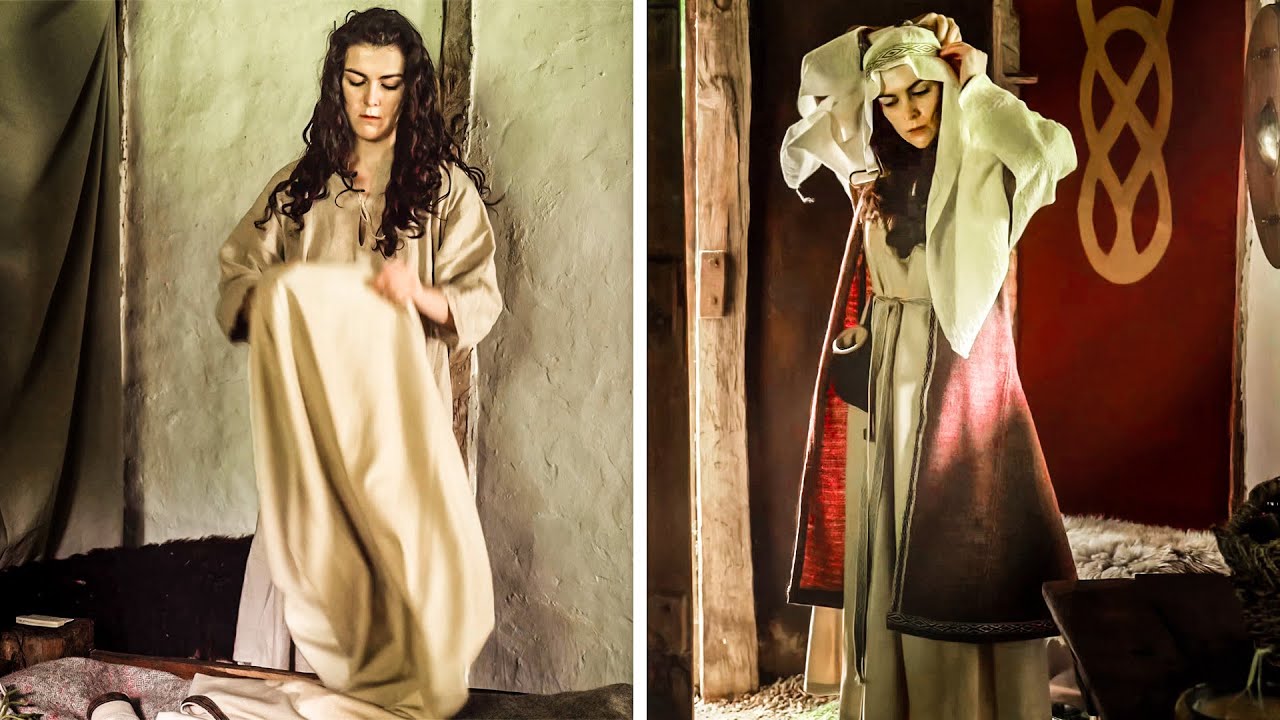
HOW MEDIEVAL PRINCESSES REALLY DRESSED! // GETTING DRESSED IN 15TH CENTURY FRANCE & BURGUNDY
Автор: The Creative Contessa
Загружено: 2024-04-05
Просмотров: 6145
Описание:
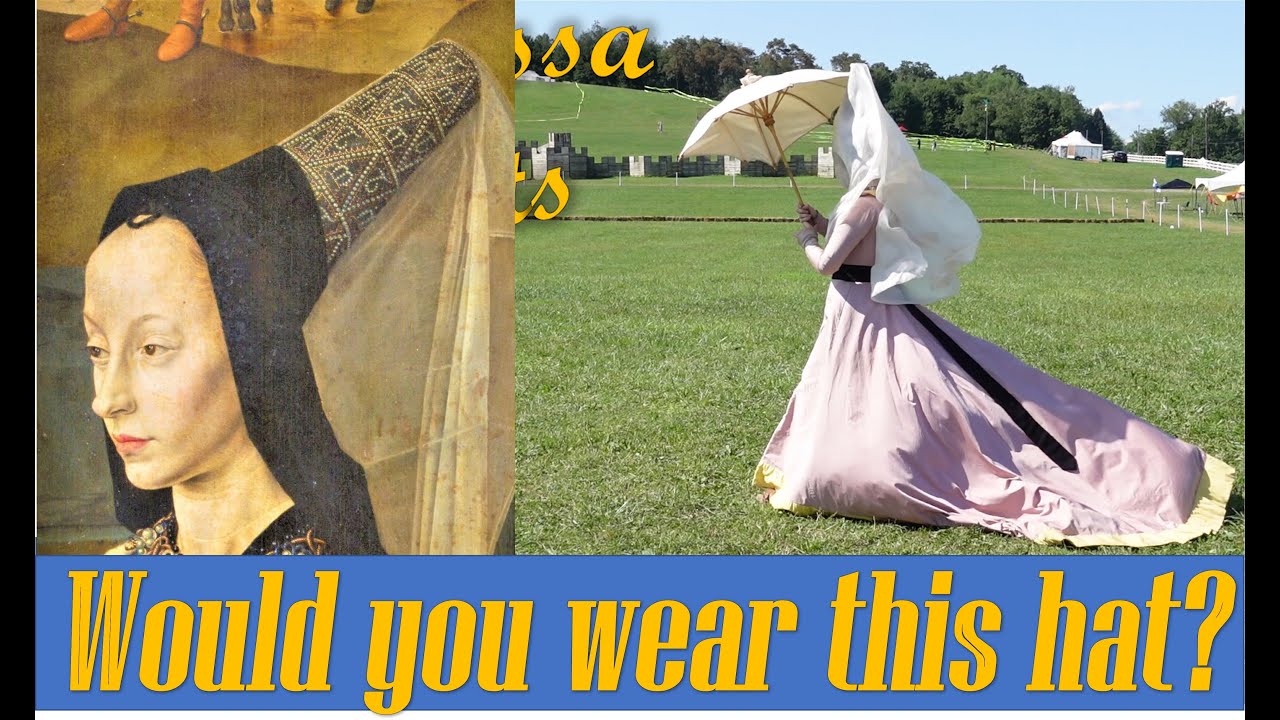
the step by step process of getting dressed in 15th-century medieval Burgundian splendor, from the skin out: smock, stockings, kirtle, shoes, gown (robe a tassel), hairstyle (hair taping), jewelry, headdress (haut atours - not-a-hennin), hood, and veil, along with salacious historical details and court gossip from the era. Sumptuary laws, fascinating details of medieval daily life, and more!
Join this channel to get access to perks:
/ @thecreativecontessa
The Contessa offers a variety of interactive, creative classes, workshops, and experiences on a wide array of subjects. Check out thecreativecontessa.com for more info!
*********If you would like to support such video content from the Creative Contessa, consider becoming a patron on Patreon, which comes with a host of other perks!
www.patreon.com/thecreativecontessa
@@@@@Music is by Al Cofrin of Istanpitta, as well as Gaita Medieval Music and can be found on their Queen of Measures album available at www.gaita.co.uk
#getreadywithme #medieval #hat #fashion #history #hair #cosplay
These are turn shoes, called so because they are sewn inside out and then turned rightside out, creating a very fitted piece of footwear. Like my poor abused stockings, I tend to wear through my shoes at an alarming rate, particularly on the balls of my feet where all of my dancing seems to happen. Legally speaking, cobelers are supposed to only work in “old leather”, i.e. repair old shoes and possibly restore old shoes to new life that can then be sold as second-hand items to the poor, while cordewaners are supposed to work exclusively in new leather, creating new footwear. Certain cities such as London and Bruges have apparently had to repeatedly settle legal disputes in this artisanal war, with London ultimately specifying the specific quantity of new leather that cobelers may legally utilize in repairing or restoring an old shoe . And yet to this day, some cordwainers try to pass off restored second-hand shoes as new…
As an aside, the term cordewaner is derived from the name of a special sort of goatskin that used to imported from the fabled city of Cordoba specifically for making shoes.
I know many of you have at some point seen the attenuated shoes worn by gentlemen, what some of you refer to as crakows or pikes (and I have heard the word poulaine as well, although this seems a completely foreign word to me). Some of the English ladies in my lady Duchess of Burgundy’s train have informed me that King Edward, the fourth king of England of that name, has attempted to prevent commoners from dressing themselves as lords by enacting a law that no knight under the state of a lord, esquire, gentleman, nor other person shall use nor wear after the... feast of Saint Peter any shoes or boots having pikes passing the length of two inches. The City of London has apparently also forbidden the production of the more extreme version of these shoes, limiting the length of the pike, that being the extended point, to a mere two inches. The names for the various furs can be confusing as the pelt of one animal may be called four different things depending on the season in which the pelt was harvested, as well as the specific part of the skin being used. Take, for instance, squirrel pelts, which can be called bis, gris, vair, or minever, depending on the part of the pelt being applied.
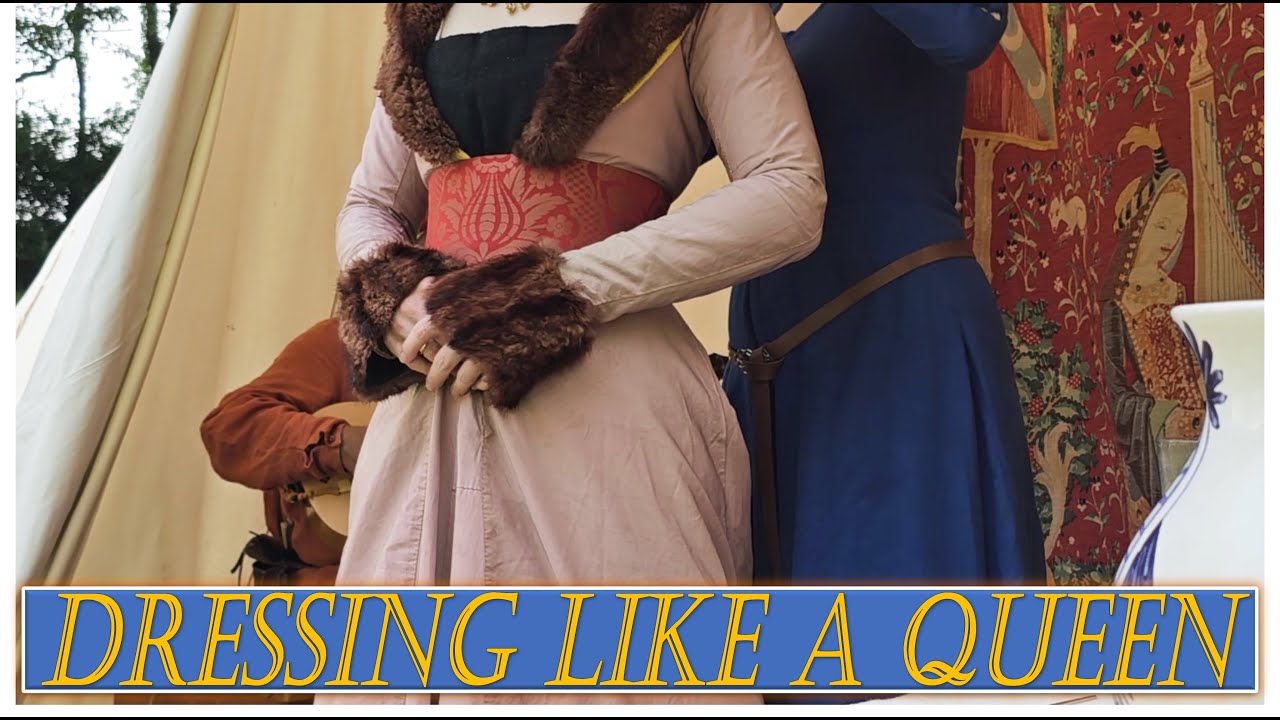
When not lined in fur, such grand gowns are lined in some other luxuriant layer of fabric. My Lady Margaret of Denmarj, the most gracious Queen of Scotland, has gowns lined in satin, velvet, and damask, for instance. Often the more expensive furs are reserved for the visible parts of the garment such as the collar, the cuffs, and the guard encircling the hemline, while a less expensive fabric is utilized the line the voluminous inside. The exterior bits are obviously an exercise in conspicuous consumption, while the interior lining serves the perfectly practical purpose of keeping the wearer warm.
I use this belt to hang my knit aumoniere and other key items such as my paternoster. This dymysent one is rather plain, but I have seen very ornate made of gold and outfitted with jewels. I know of one very loyal servant who was bequeathed one gold dymysent inset with a diamond and another gold dymysent with two rubies!
Overtop of my gown comes a second belt. This broad girdle is harnessed with a specially commissioned gold buckle and strap-end. It consists of a sturdy leather interior covered in a silk damask. In fact, you can peruse a full chronicle of making this stunning girdle after finishing this one!
The lady Charlotte of Savoie, Queen of France, Margaret of Denmark, Queen of Scotland, Margaret of York, Duchess of Burgundy, Lady Donne of England, and even Maria Portinari, born and raised in Florence, all have such lovely accoutrements in their collections. Margaret of Denmark has one that is wrought in gold enameled roses that are encrusted in diamonds and ruby
Повторяем попытку...

Доступные форматы для скачивания:
Скачать видео
-
Информация по загрузке:

![ПУАНТЫ: ИСТОРИЯ и СОВРЕМЕННОСТЬ, ФАКТЫ и МИФЫ 🩰 [SUB]](https://imager.clipsaver.ru/oYhTNMbeVLM/max.jpg)