Dental Disease in Dogs - What you need to know!
Автор: Lone Star Animal Hospital
Загружено: 2020-04-10
Просмотров: 198
Описание:
Hi, I'm Dr. Moore at https://www.lonestarvetcare.com, and today we're going to answer a few common questions that we get about dog dental disease. If you have questions related to dental care for your dog, give us a call at: 737-777-8613
What are some signs and symptoms of dog dental issues?
Probably the most common thing that we hear owners bring to our attention is bad breath, it's halitosis. Of course, dogs are always giving kisses. It's very easy to pick up on. It absolutely can be a sign that there's something going on in your dog's mouth. You might also notice some bleeding. Maybe if they're an aggressive chewer, like on a rope toy or something like that, that can be assigned that there's some periodontal changes, gingivitis, inflammation in the mouth, something that might be of concern. Those are probably the two most common things that you're going to notice at home.
The veterinarian looking for during a dentistry examination on a dog?
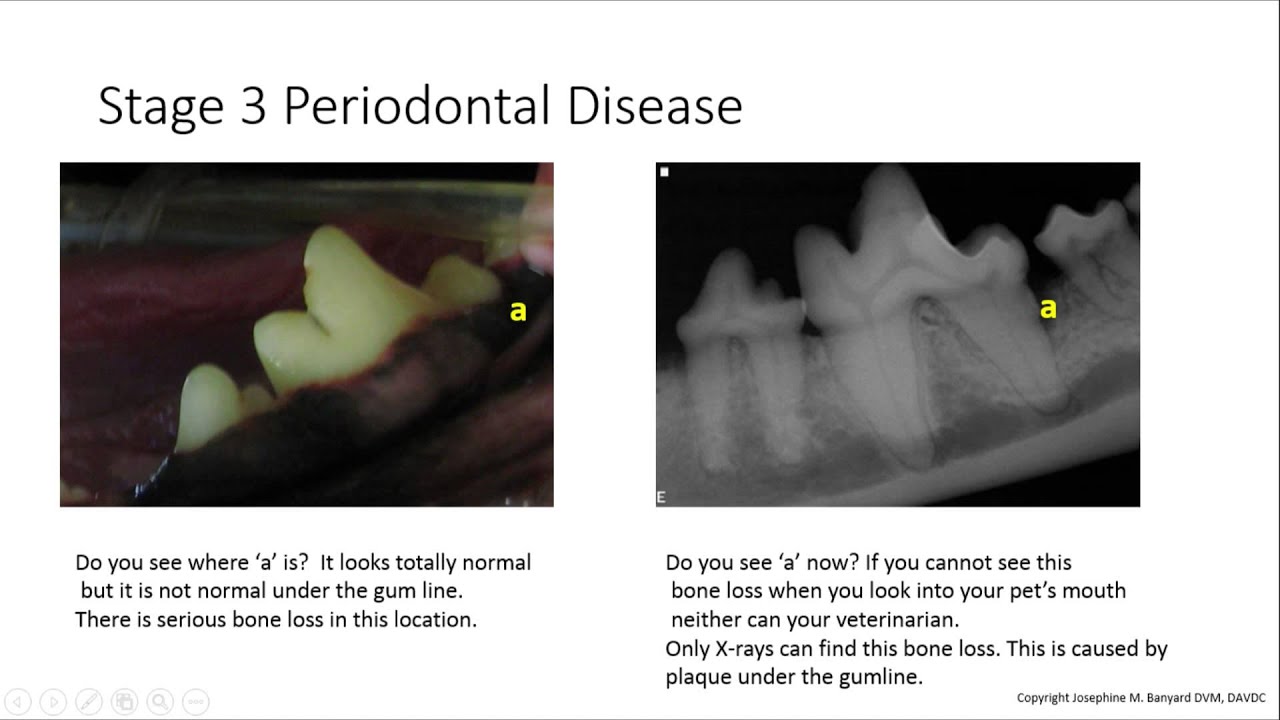
During a physical exam, when we're looking in the mouth, I'm looking for signs of periodontal disease. The first stage of periodontal diseases is gingivitis. That bright pink line that sometimes will pop up right at the margin where the gum meets the tooth, and that is inflammation. If there's inflammation there, we're setting up for inflammation further deep down underneath that gum line. Eventually, the bone that's holding those roots in is going to start to recede. That's an irreversible change that we're really trying to prevent. It's just an advanced stage of periodontal disease. That's what we're looking for, mainly in another-wise, healthy mouth. Absolutely, we're screening for fractured teeth. Dogs that are really aggressive chewers, work at hard chew toys like bones or nylon bones or something like that. We're looking for anything that's painful or infected.
What are some possible dog dental treatments that you would use?
Oftentimes, if we see periodontal disease or any kind of disease in the mouth, we're going to recommend a full dental assessment. Typically, that's under anesthesia and there's a lot that goes into that. Not only, yes, we're going to clean the teeth. We're going to scale and polish and make the crowns look nice. We're going to get underneath that gum line with an ultrasonic scaler and address that underlying periodontal disease. But what's maybe the most important, is we're going to look with dental x-rays and we're going to probe and we're going to look for deep pockets. We're looking for an infection that's hiding under the gum line that's causing discomfort to that dog, and those are the teeth that potentially need to be addressed, maybe with an extraction, maybe with some sort of other periodontal treatment. All depends on what we find in there.
If oral surgery `is needed for my dog, what should I know? How should we prepare? What should we expect?
Yeah. Sometimes we can be at least on the lookout during the dental and say, "Hey, this tooth looks fractured. I think we're going to have some pulp exposure. It may be time for this tooth to be extracted. I'll know a whole lot once I get in that mouth." What I'll do is after I've got all my questions answered, I will call an owner during the dental and give them the full rundown of what I'm seeing, make my recommendations. If there are teeth to be extracted, honestly I only make that recommendation if that is going to help the dog in the long run. We want to get rid of pain and infection in that dog's mouth. Sometimes extracting the tooth is just the best thing and then they are so much happier with that tooth being gone, if that's the case.
What if periodontal disease sets in? What's the reality of that there?
Periodontal disease is a progressive concern. Once it starts, it's going to continue. Honestly, just like in people, there's genetics that absolutely play a role. So, not every dog is going to have the same progression. Some dogs really need to get in there and have their teeth addressed, periodontal disease addressed about every year. Other dogs could go maybe two or three years. Part of that depends on home dental care. If owners are able to brush teeth at home, that's really the best way to slow the progression of periodontal disease.
How can dental disease make my dog sick in other ways? What effect is just tartar and plaque on my dog's overall health?
Yeah, so there's absolutely going to be bacteria that's harbored underneath that bacteria and plaque. If we're seeing plaque, tartar, even mountains of calculus on the crown of the tooth, there's absolutely more of that hiding underneath the gum line that we don't really see. So, infection, inflammation, all of that can be uncomfortable, but it also is something that the immune system has to deal with. Those are the things that we want to address when we're looking in the mouth. We want to find those painful and infected teeth.
Повторяем попытку...

Доступные форматы для скачивания:
Скачать видео
-
Информация по загрузке: