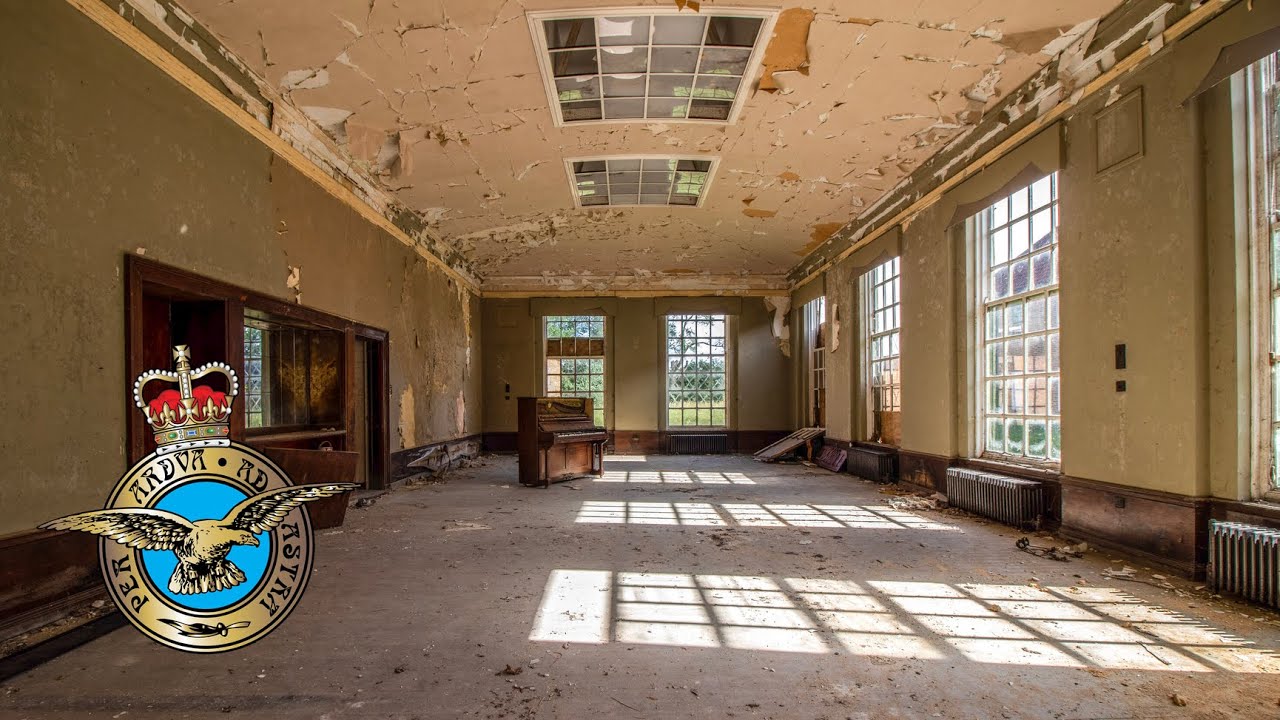
RAF SYERSTON DERELICT OFFICERS MESS PART 1
Автор: RJC EXPLORES
Загружено: 2020-10-20
Просмотров: 587
Описание:
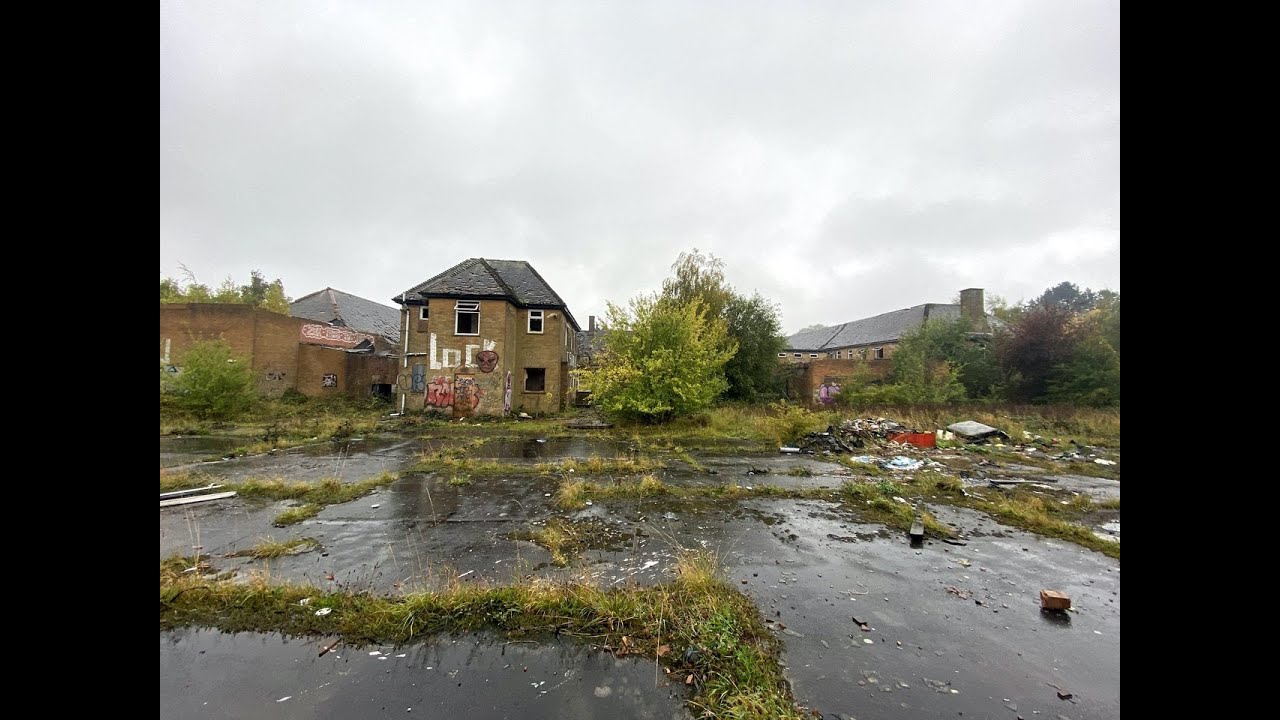
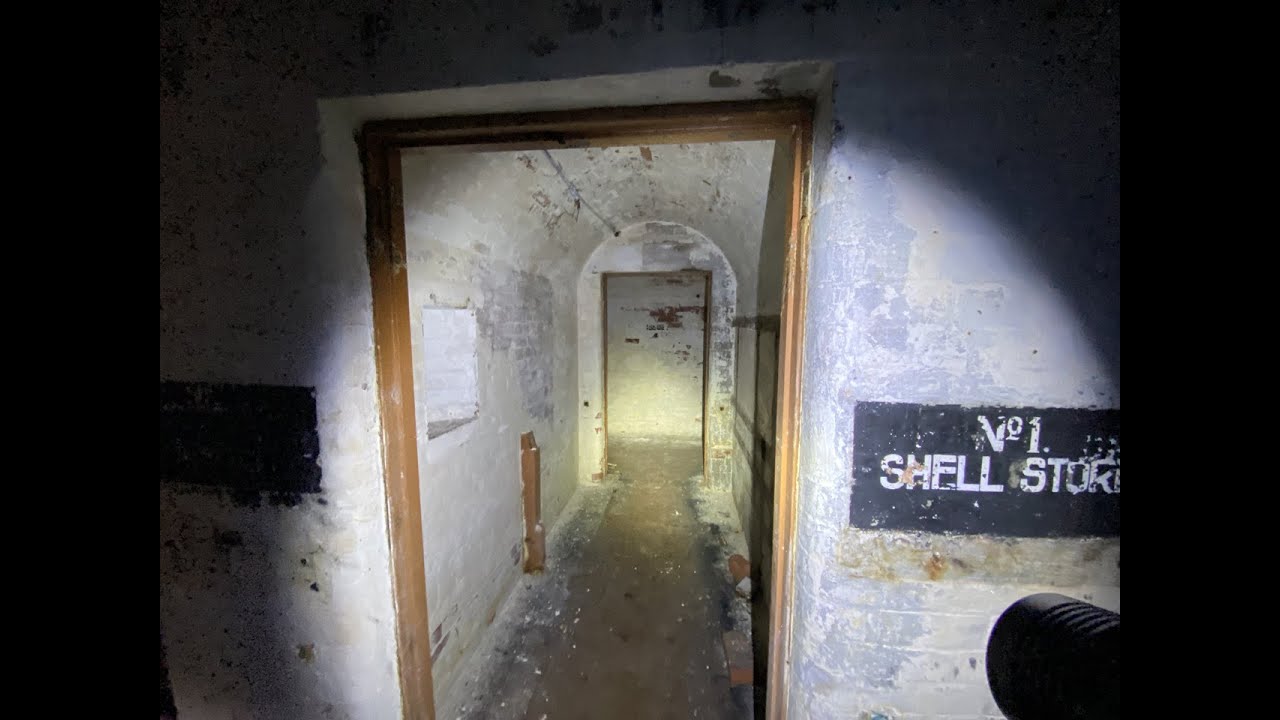
This was a great explore which took me back too my 1st ever explore with ceiran that then became abandoned city camo crew, which was at upwood...This explore with exploring with Kev was great ....A very atmospheric place that despite all the damage too the officers mess u could feel the history inside .Glad the officers mess was still here but I feel that soon it may be demolished ...
wikipedia info.....Syerston was built as part of the bomber expansion in the late 1930s, but did not open until 1 December 1940. The first aircraft were Vickers Wellingtons crewed by Polish flyers. In July 1941 they were replaced by members of the RCAF flying Handley-Page Hampdens. From December 1941 until 5 May 1942, the base was closed whilst a concrete runway was built with two T2 hangars. When it re-opened, it became part of No. 5 Group. In 1942 several squadrons of Avro Lancaster aircraft arrived. In 1943 Bill Reid of 61 Squadron won a Victoria Cross on a mission flown from Syerston.
On 17 November 1943 the operational squadrons departed, and the station was used for bomber crew training, led by Captain Robert White. It became known as the Lancaster Finishing School in January 1944. From November 1943 to July 1944 there was also a Bombing and Gunnery Defence Training Flight in attendance with several Wellingtons, Spitfires, Hurricanes, plus a few Martinet tug aircraft, all employed in brushing up the skills of air gunners on air-to-air exercises. The LFS left on 1 April 1945, with No. 49 Squadron arriving from RAF Fulbeck later in the month who only had one operation before leaving to RAF Mepal in September.
Post-war use[edit]
On 25 October 1945, the base became part of Transport Command with a Heavy Conversion Unit arriving from RAF Leicester East, which stayed until 5 January 1948 when it moved to RAF Dishforth. Syerston was taken over by Flying Training Command on 1 February 1948 when No.22 Flying School arrived from RAF Ouston which trained pilots for the Fleet Air Arm (FAA). Other nearby airfields used for flying circuits were RAF Newton, RAF Wymeswold and Tollerton airfield (now Nottingham Airport). The training school became No. 2 Flying Training School RAF in 1955. In November 1953, Percival Provosts began being used, being replaced by the (Hunting Percival) Jet Provost in 1959. The flying training school was disbanded on 16 January 1970 when the need for pilots had diminished, and the station lay vacant.
Role and operations[edit]
In January 1975 the Royal Air Force Central Gliding School and 644 Volunteer Gliding Squadron moved to Syerston, and have been there since, with 643 Volunteer Gliding Squadron also being based at Syerston since 10 Oct 1992. This was only meant to be a short term stay. Most of the buildings were demolished in 1997.
From 1990 Nottingham University Gliding Club, when affiliated with the Four Counties Gliding Club, used the airfield until 2004, when both moved to RAF Barkston Heath. In 2005, Nottingham University Gliding Club affiliated itself to Cranwell Gliding Club at RAF Cranwell, when Four Counties Gliding Club moved to RAF Wittering.
Based units[edit]
Notable units based at RAF Syerston.[2]
No. 22 Group (Training) RAF
No. 2 Flying Training School
Headquarters No. 2 Flying Training School
Central Gliding School – Grob Viking T1
No. 644 Volunteer Gliding Squadron – Grob Viking T1
Historical Units[edit]
No. 49 Squadron RAF (22 April 1945 – 28 September 1945) - Avro Lancaster I & III
No. 61 Squadron RAF (5 May 1942 – 17 November 1943) - Avro Lancaster I, II & III
No. 106 Squadron RAF (1 October 1942[3] - 17 November 1943) - Avro Lancaster I & III
No. 304 Squadron RAF (December 1940-20 July 1941) - Vickers Wellington IC
No. 305 Squadron RAF (December 1940-20 July 1941) - Vickers Wellington IC
No. 408 Squadron RCAF (July 1941-8 December 1941) - Handley Page Hampden
643 Volunteer Gliding Squadron - merged with 644 VGS in 2012
Incidents[edit]
Main article: 1958 Syerston Avro Vulcan crash
"At Home" part programme cover
On 20 September 1958, the prototype Avro Vulcan VX770 crashed during a fly past at RAF Syerston Battle of Britain At Home display.
Повторяем попытку...
Доступные форматы для скачивания:
Скачать видео
-
Информация по загрузке:









![Почему взрываются батарейки и аккумуляторы? [Veritasium]](https://imager.clipsaver.ru/a3-3R9zwyGY/max.jpg)