Carboxylic Acids|| Nomenclature Of Organic Compounds
Автор: Doctor Of Chemistry
Загружено: 2023-09-09
Просмотров: 67
Описание:
@chemistrybyprof.javediqbal
@JChemistry
@Chemist_GCU
#chemistryclass12 #chemistry #organicchemistry
#nomenclature #nomenclatureoforganiccompounds
Carboxylic acids are a class of organic compounds characterized by the presence of a carboxyl group (-COOH) in their chemical structure. This functional group consists of a carbonyl group (C=O) bonded to a hydroxyl group (OH). Carboxylic acids are versatile compounds found in various natural and synthetic substances, and they play essential roles in biological processes and industrial applications.
Types of Carboxylic Acids:
1. Aliphatic Carboxylic Acids: These carboxylic acids have a linear or branched carbon chain. Common examples include acetic acid (CH3COOH), formic acid (HCOOH), and butyric acid (CH3CH2CH2COOH).
2. Aromatic Carboxylic Acids: These carboxylic acids contain a carboxyl group attached to an aromatic ring. Benzoic acid (C6H5COOH) is a well-known example used as a food preservative.
3. α-Hydroxy Acids: These carboxylic acids have an additional hydroxyl group (-OH) attached to the carbon adjacent to the carboxyl group. Glycolic acid and lactic acid are common α-hydroxy acids used in skincare products.
4. Dicarboxylic Acids: These carboxylic acids possess two carboxyl groups in their structure. Examples include oxalic acid (HOOCCOOH) and succinic acid (HOOCCH2CH2COOH).
Nomenclature of Carboxylic Acids:
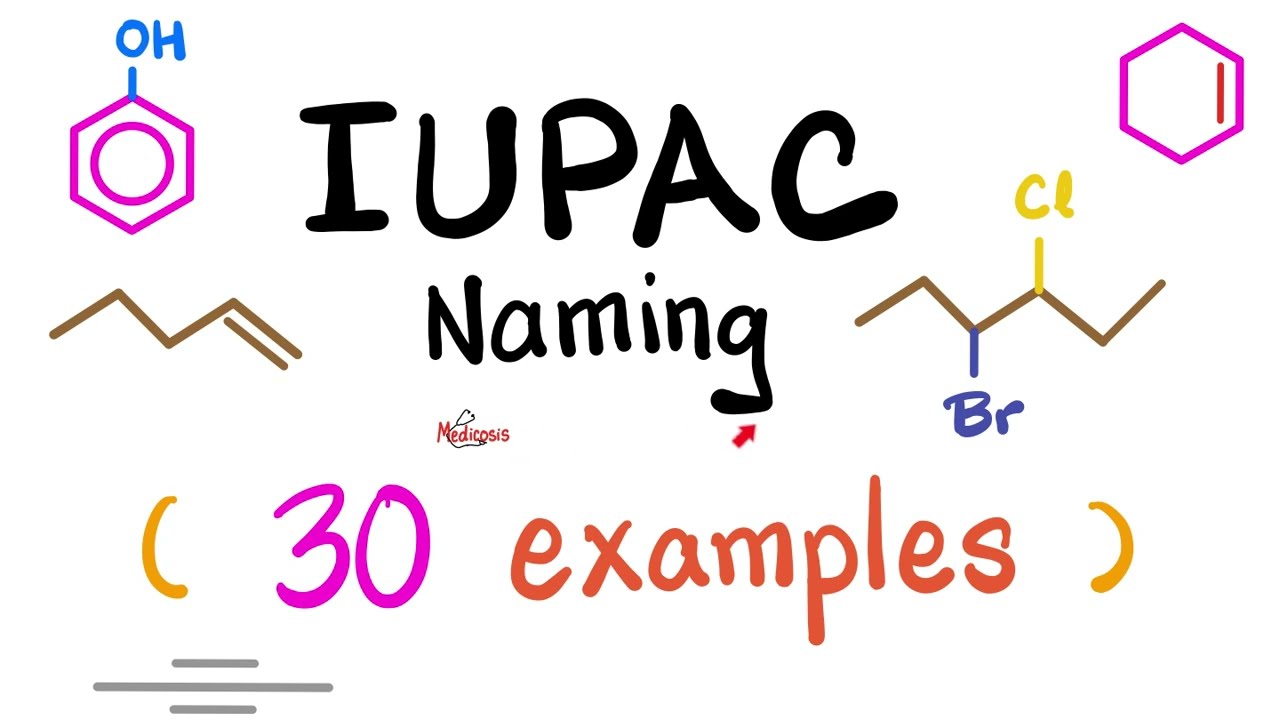
The IUPAC system is used to name carboxylic acids systematically. Here are the general rules for naming them:
1. Identify the longest carbon chain containing the carboxyl group, which becomes the parent chain. The "-e" ending of the alkane name is replaced with "-oic acid."
2. Number the carbon atoms in the parent chain, starting from the end nearest to the carboxyl group. The carbon atom of the carboxyl group is always carbon 1.
3. If there are substituents (other groups) attached to the carbon chain, name them as alkyl groups and indicate their position with a number.
4. List the substituents in alphabetical order, ignoring prefixes like "di," "tri," etc., when alphabetizing.
5. Use hyphens to separate numbers and commas to separate numbers from letters in the name.
For example, let's name CH3CH2CH2COOH:
The longest chain is three carbons, so it's a propyl group.
The carboxyl group is attached to carbon 1.
There are no substituents.
Hence, the name is "propanoic acid."
This systematic naming method helps chemists identify and communicate the structure of carboxylic acids accurately.
Повторяем попытку...

Доступные форматы для скачивания:
Скачать видео
-
Информация по загрузке: