Watervleermuis/Daubenton's bat (Myotis daubentonii)
Автор: Oliver's Nature
Загружено: 2021-01-25
Просмотров: 347
Описание:
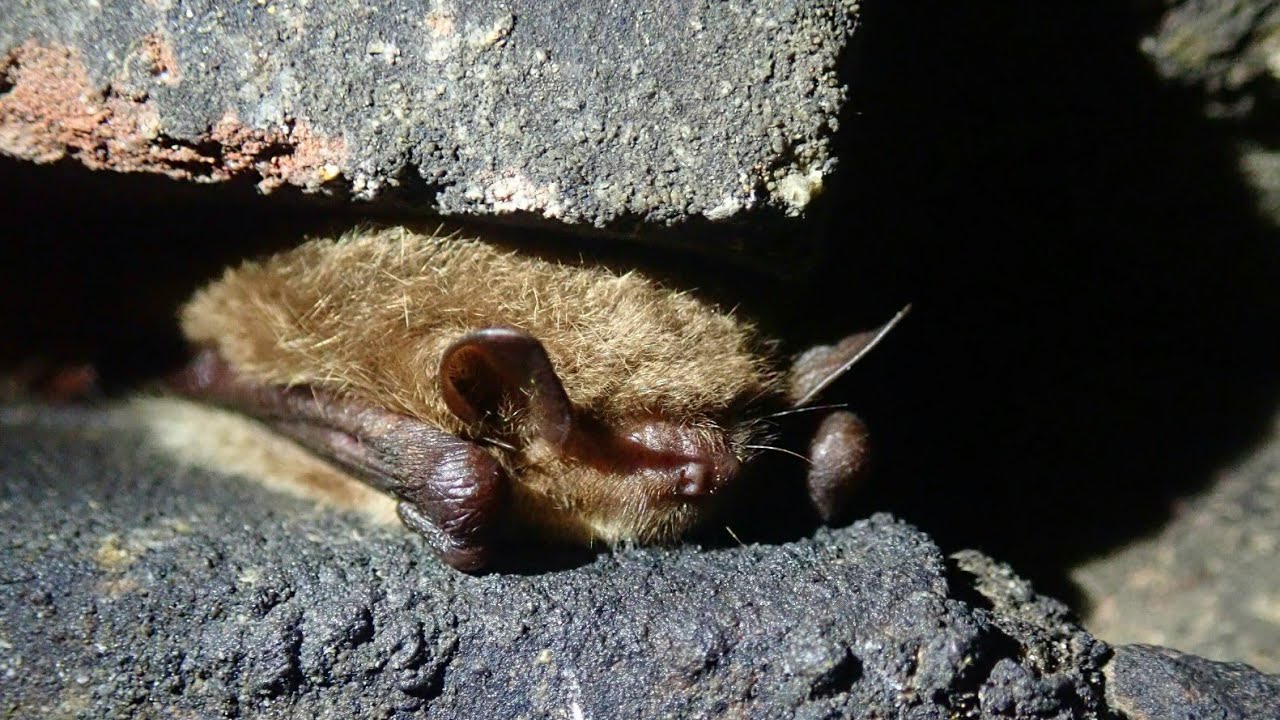
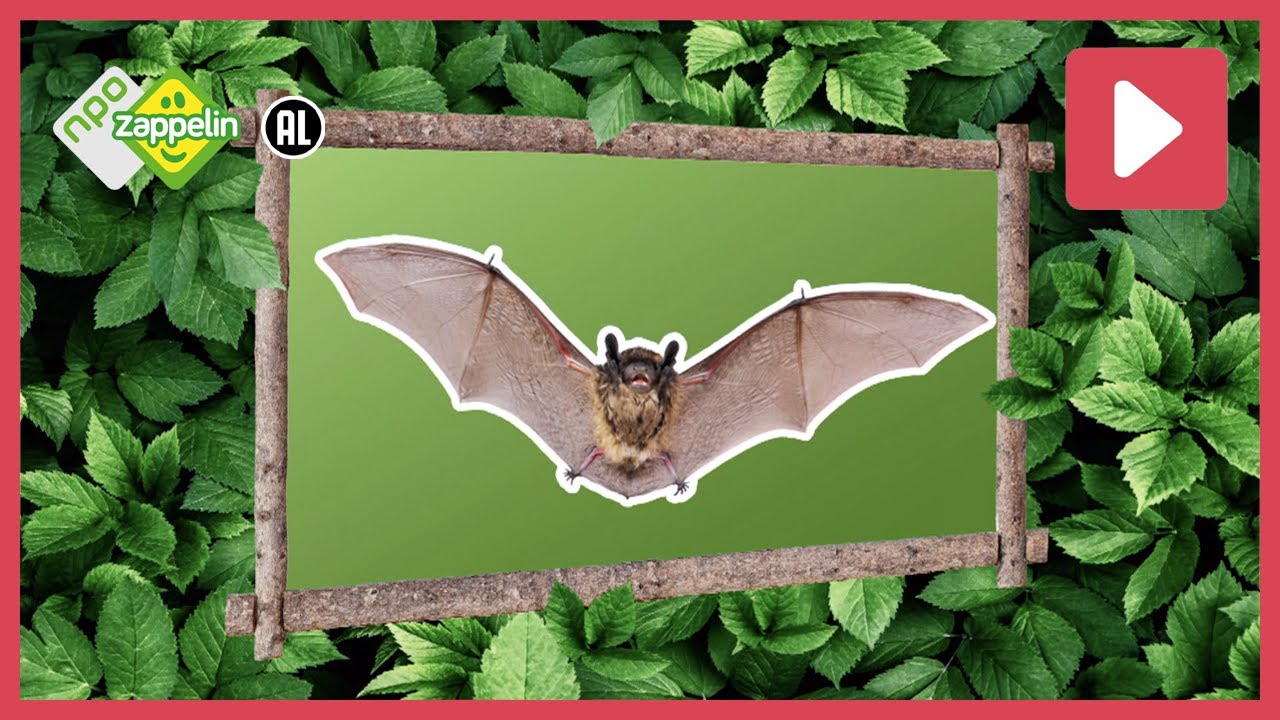
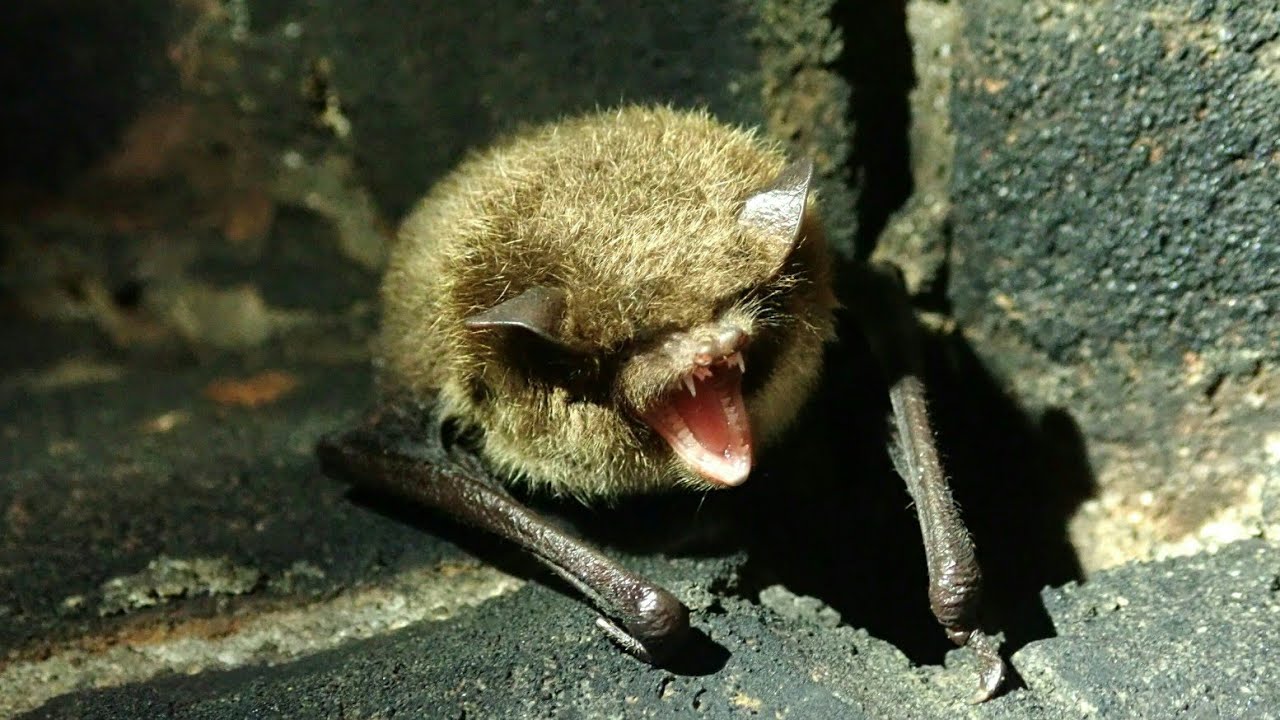
Het dier wordt ongeveer 4,5 tot 5,5 cm groot en de onderarm is 33 tot 42 mm lang. De spanwijdte is 230 tot 275 mm, het gewicht 6 tot 15 gram. De oorschelp van de watervleermuis is groot, maar de watervleermuis heeft de kleinste oren van het geslacht. De tragus is kort en stomp. De rugzijde is grijsachtig rood tot bruingrijs, de buikzijde is grauwwit tot zilvergrijs. Er is een duidelijke grens tussen beide zijden. De oren en snuit zijn roze-bruin. Jonge dieren hebben een blauwig zwarte vlek op de lip, die meestal verdwijnt na een jaar. Hij heeft grote achterpoten, bedekt met borstels, en een lange staart, 31 tot 44,5 millimeter lang.
Daubenton's bat is insectivorous and uses echolocation to find prey and orient itself at night. Bats emit sounds too high in frequency for humans to detect, and interpret the echoes created to build a "sound picture" of their surroundings. Daubenton's bat emits echolocation calls at frequencies between 32 and 85 kHz, though typical calls peak at 45 to 50 kHz; the calls have a duration of 3.3 ms. Mating occurs in autumn and fertilisation takes place the following spring. Females gather in maternity colonies of 40 to 80 bats during June and July. Daubenton's bat is able to fly three weeks after birth and reaches independence at 6 to 8 weeks of age.
Повторяем попытку...
Доступные форматы для скачивания:
Скачать видео
-
Информация по загрузке: