Hood R2
Автор: Imperial Manufacturing Group
Загружено: 2017-08-22
Просмотров: 4873
Описание:
How to Install Your New Clothes Dryer Vent Hood Exhaust
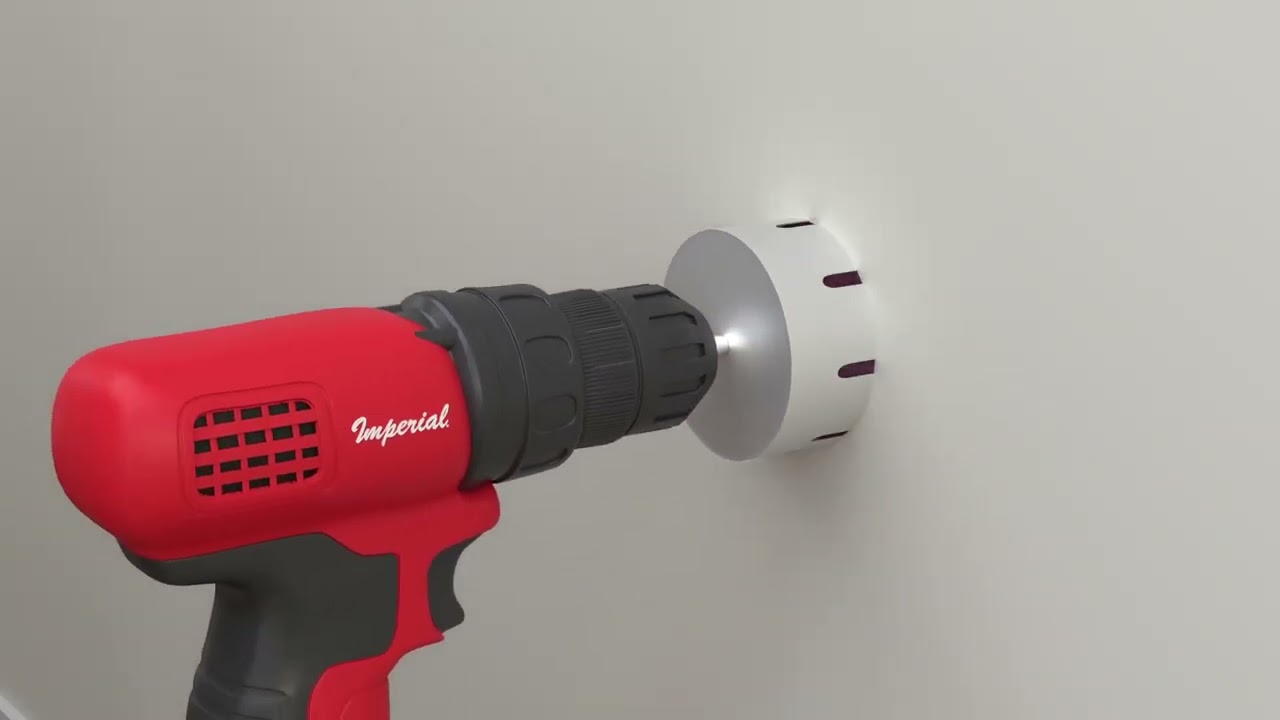
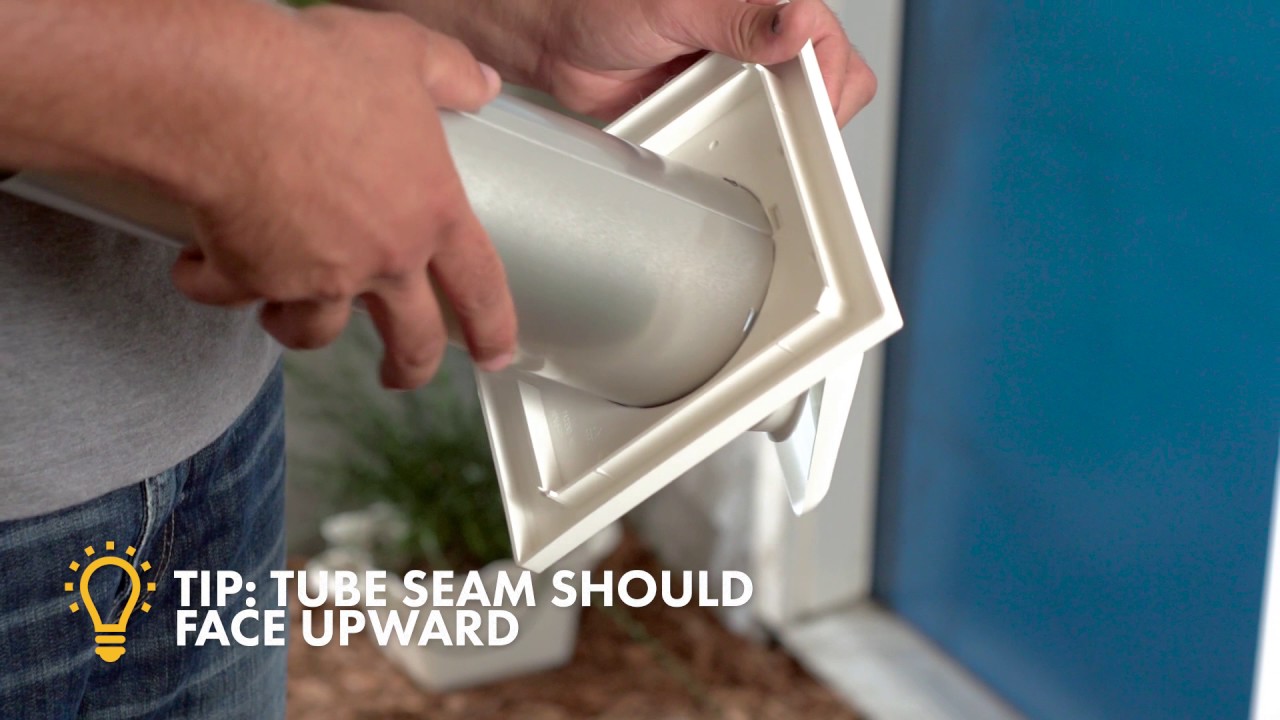
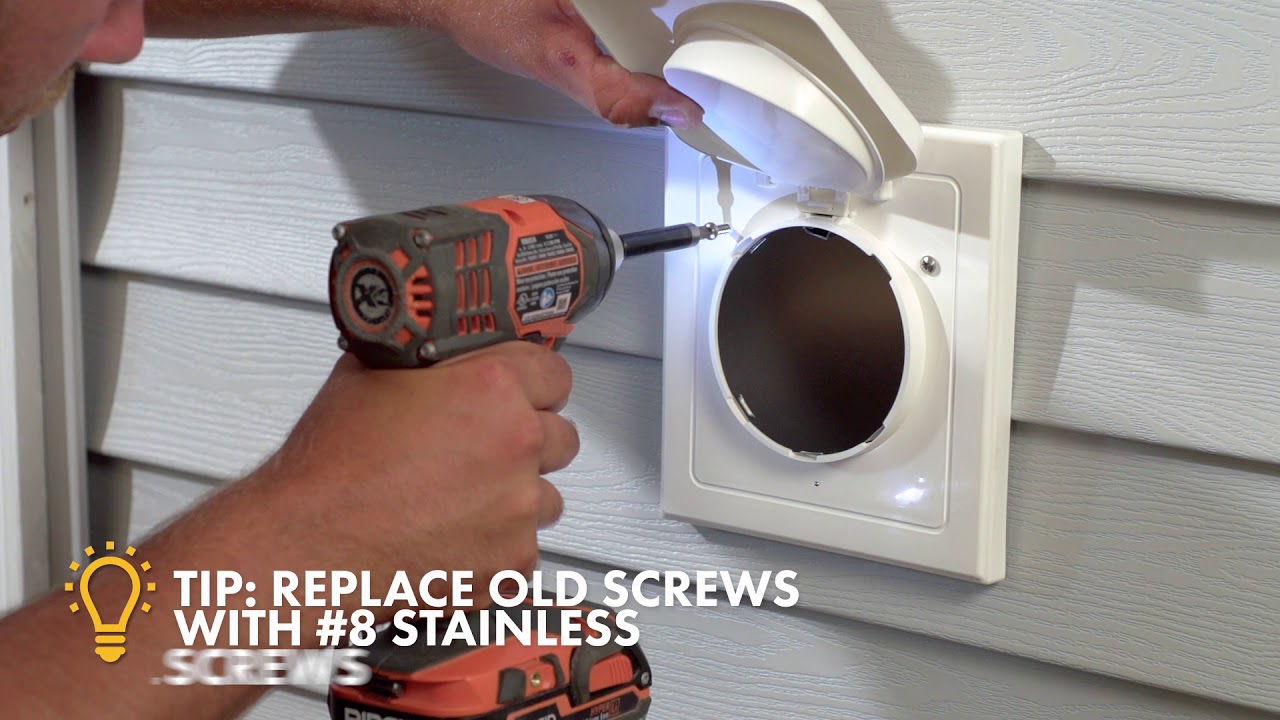
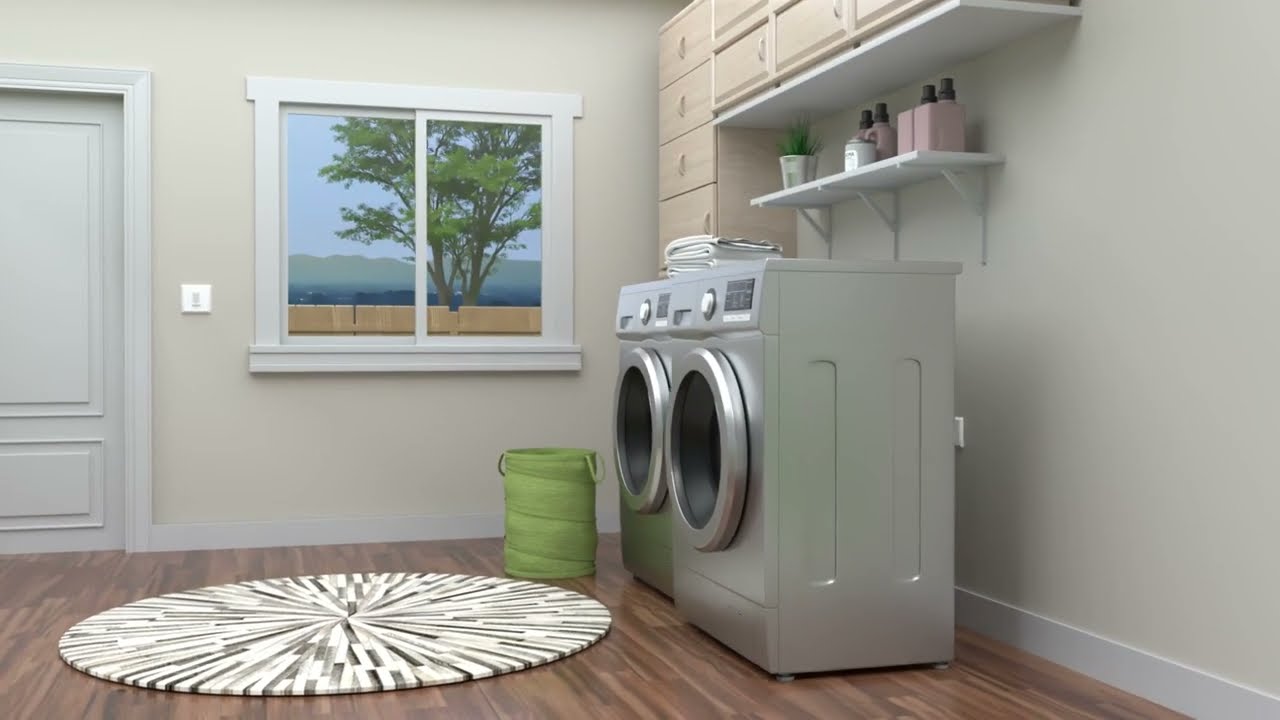
Welcome to this video on how to install your new clothes dryer vent hood exhaust. If you are looking to replace an existing vent cap or hood check out our how to replace your dryer vent cap or hood video. In this installation we'll focus on a typical exterior wall application with vinyl siding. This project should take you between 45 to 60 minutes. You will need a 4" dryer vent hood, a drill with a 4 1/8 to 4 1/4 inch saw bit, a 1/8 to 1/4 inch saw bit, a utility knife, a screwdriver, four 1 1/2 to 2 inch pan or round head screws, exterior waterproofing caulking, and a caulking gun. We would encourage you to make safety a priority. You will be subject to flying debris and will be handling sharp metals. So we highly recommend you wear safety glasses and work gloves. If you need to paint your hood and screws to match your décor just make sure you are using the right paint for either plastic or metal surface and for outdoor use. Now lets get the installation started. Before even starting your project the first thing you're going to have to determine is the best location for your dryer exhaust. In doing this consider where your dryer is going to be located in your room. Depending on the type of duct you are using for your hook-up you'll need to allow at least 12-18 inches clearance behind your dryer. Also you'll want to minimize the length of your overall exhaust system so it doesn't impact your dryers performance. Most dryer manufacturers recommend not exceeding 8 feet of transition duct between the dryer and the exterior exhaust port. You'll also want to consider where your hood will be located outside and make sure nothing will be obstructing your air flow. For instance, avoid AC units, crawl spaces, and decks. Ideally, you would want your transition duct and exhaust to be hidden by your appliance. But in some cases this isn't going to be possible. Choose the general area of where you want your exhaust to be located. The next step is to locate a space between 2 wall studs. The best way to do this is to use a stud finder. Before drilling any holes consider you may have electrical wires or pipes where you intend to locate your exhaust. Drill a small pilot hole in between the studs marked without going to deep. The goal is to only puncture the drywall. Using a 4 1/4 inch saw bit, saw through your drywall. Using a utility knife clear the hole of the vapor barrier. Now feel around the insulation for any pipes or wires that could ne hidden there. If none are found go ahead and clear the hole of the insulation to make way for the pipe. Using your saw bit make a hole on the outside sheeting. Then using a standard drill bit make a hole in the exterior vinyl siding. From outside, locate the pilot hole that you just made. Using the same saw bit you're going to continue drilling through the wall. When sawing through vinyl siding, especially when its cold, use a high drill speed and apply low pressure on the drill. Once you're through you're ready to insert your vent hood. Using your four screws secure it in place. Then caulk around the cap to weather proof it. Now you're ready to connect your dryer to your newly installed dryer vent hood. Please note that it is highly recommended to purchase a new UL listed hook-up duct for optimal dryer safety and performance. Before using your dryer make sure that everything is working properly. Check that there are no air flow restrictions in your duct like kinks, holes, or lint. Turn on your dryer and check the air flow of your exhaust system. Keep in consideration that your dryer exhaust system may not be at optimal operating performance. If you live in a cool climate you may want to consider installing a draft blocker. Also if you are concerned with animals entering and nesting in your dryer exhaust system you may want to install a pest guard over your cap. For a full list of Imperial's products, visit www.imperialgroup.ca. You can purchase our products at most major hardware stores and home improvement stores, as well as other fine retailers. Like this video if you found it helpful and subscribe for more helpful tips and tricks when it comes to choosing and installing Imperial products.
Повторяем попытку...

Доступные форматы для скачивания:
Скачать видео
-
Информация по загрузке: