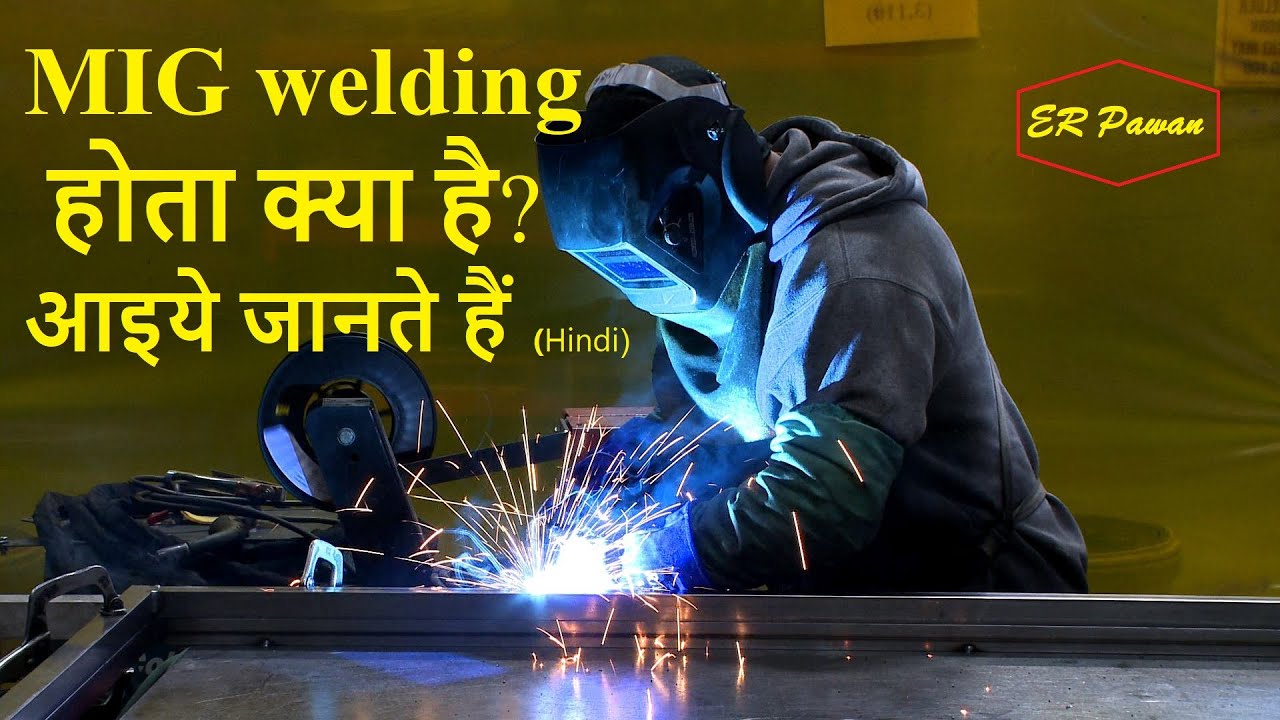
मिग वेल्डिंग क्या होती है ?आइये ,जाने मिग वेल्डिंग के बारे में(What Is MIG Welding – Understand it )
Автор: ENGINEERING SOLUTIONS & CALCULATIONS
Загружено: 2020-12-19
Просмотров: 587
Описание:
What Is MIG Welding – Understanding It Thoroughly
Welding, by definition, is the process of joining two metals together by heating the metal surfaces up to their melting points. However, the process of welding isn’t as simple as it sounds. Welding is a highly technical process, with numerous types and techniques that only skilled personnel are able to understand and practice.
What Is MIG Welding?
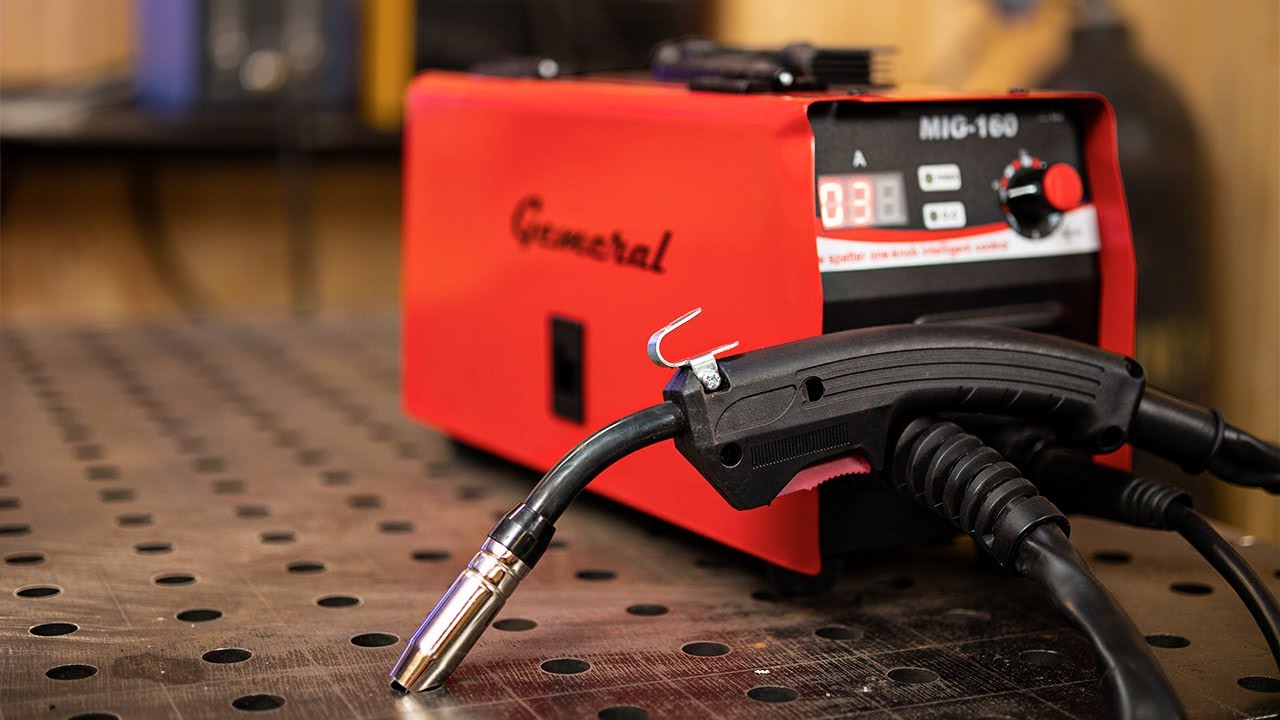
Metal Inert Gas (MIG) is also known as gas metal arc welding (GMAW). This type of welding is basically an arc welding process that joins two metals. This is done by heating the metals with the help of an arc. This arc is formed between the surface to be welled and a continuously fed filler electrode. This type of welding uses a shielding gas to protect the molten pool of weld metal from reacting with elements present in the atmosphere. MIG welding requires a DCEP (Direct Current Positive Electrode), also known as Reverse Polarity.
The Actual Process of MIG Welding
MIG welding is often called wire welding because a wire electrode is used in the process. A wire electrode consists of a thin wire that is continuously fed to the welding machine from a wire reel. The wire feed may be cored or solid. A cored wire consists of composites that are formed from a metal sheath with a metal filling or powdered flux, whereas solid wires are simple wires.
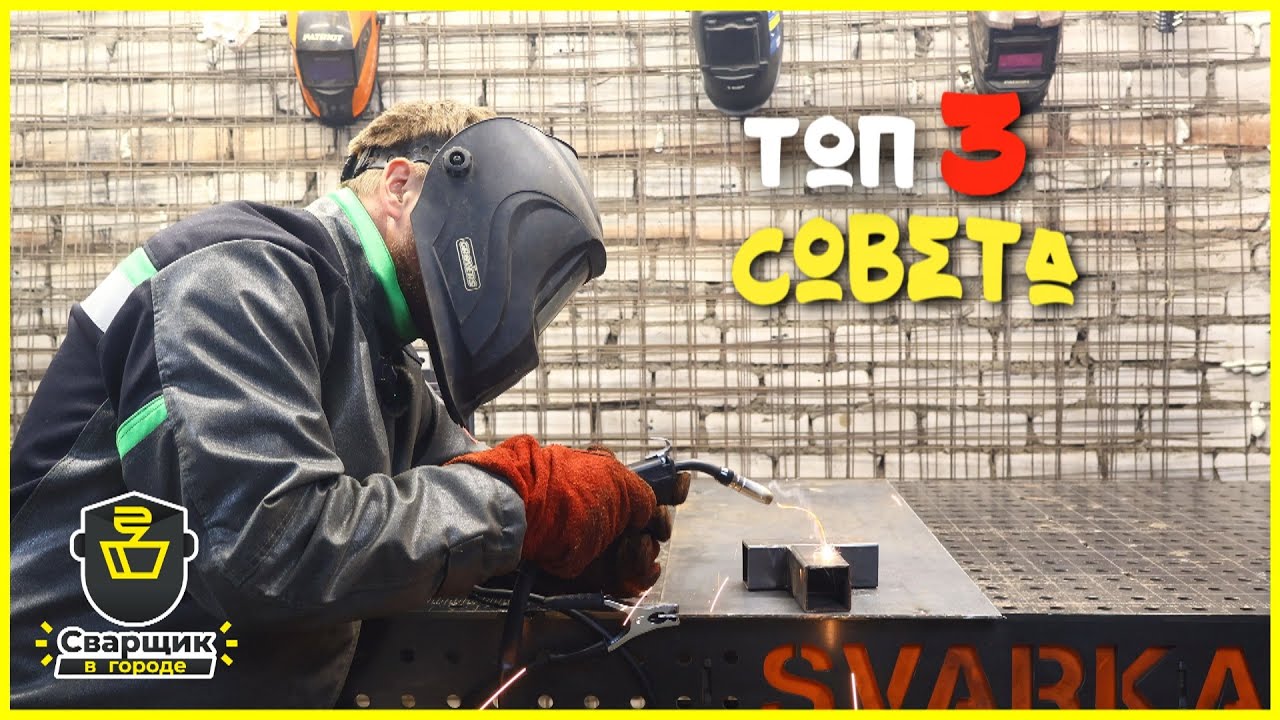
When the trigger of the welding machine is pulled, an arc forms between the end of this wire electrode and the workpiece (the metal that is being worked on). The arc that is formed melts both the workpiece and the wire and forms a weld pool. The wire serves a dual purpose in the process of MIG welding. It serves as a heat source and filler metal for the joint – hence the name wire welding.
The wire is continuously fed through a contact tube made of copper (the contact tip), which conducts current into the wire. To protect the filler material or the workpiece from reacting with environmental elements, MIG welding uses a shielding gas. The shielding gas is supplied through a nozzle that surrounds the wire. The selection of the shielding gas depends on the material that is being welded and what it is being welded for.
MIG welding is referred to as a semi-automatic welding process owing to the fact that the rate at which the wire is fed and the length of the arc are controlled by a power source, but the speed of travel and the position of the wire are controlled manually.
Shielding Gases
As i described in my video , MIG welding uses shielding gases to protect the molten weld pool from reacting to oxygen and other elements that are present in the atmosphere. However, that is not the only function of shielding gases. Shielding gases have a significant impact on the transfer of metal and the stability of the arc. Other functions that it performs include:
Formation of the arc plasma
Stabilization of the arc roots on the surface of the material
To ensure that the transfer of molten metal droplets from wire to the weld pool is smooth
The type of gas that is used in MIG welding determines how deeply the weld will penetrate the metal being welded, the mechanical features of the weld, and the characteristics of the welding arc.
The shielding gases that are commonly used in MIG welding are argon, carbon dioxide, oxygen, and a special mixture of gases with helium. The shielding gases used to weld different metals are also different. For welding steels, common gases used include 5-25% carbon dioxide, and a mixture of argon and 2-5% oxygen. For non-ferrous metals, argon and a mixture of helium and argon are commonly used.
What Metals Can Be MIG-Welded?
One of the major reasons why MIG welding is so common is that it can be used to weld any metal (almost). Although the weld quality from MIG welding is not superior to other types of welding, MIG welding is one of the fastest and the most cost-efficient welding processes. Moreover, MIG welds are great, if not perfect.
The metals that are most commonly welded by this type of welding include stainless steel, carbon steel, and aluminum, with carbon steel being the easiest metal to MIG weld.
Applications of MIG Welding
MIG welding is the most commonly used type of welding. Its applications are diverse and quite widespread. Some of the most important applications of MIG welding are listed below:
The most common application of MIG welding is in the automotive industry. No matter what the size of the vehicle is, MIG welding is employed for automotive repairs. The reason why MIG welding is the top choice for automotive repairs is that it provides sturdy and robust welds up to a mark of 0.5mm
Advantages of MIG Welding
The use of MIG welding is widespread for all the right reasons – high-quality welds for non-ferrous and ferrous alloys at a fairly low price. It is associated with numerous benefits:
Повторяем попытку...
Доступные форматы для скачивания:
Скачать видео
-
Информация по загрузке: