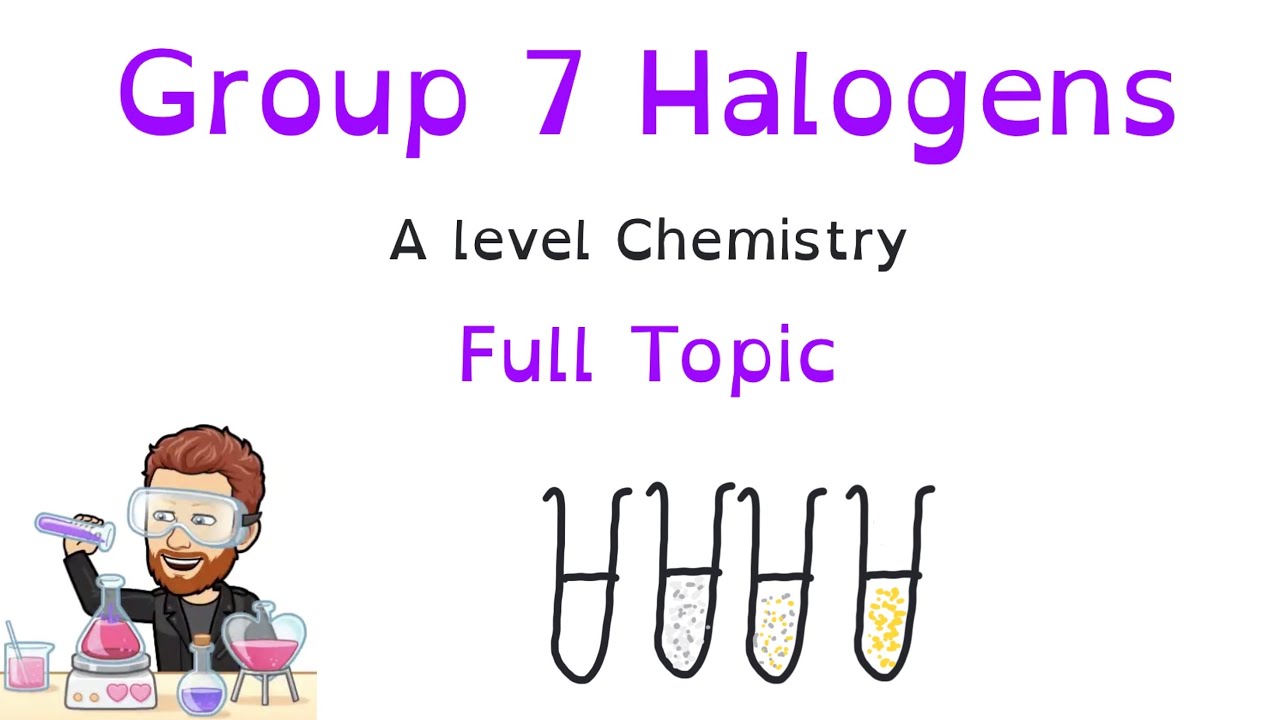
Group 7 (17) : The Halogens | A-level Chemistry | OCR, AQA, Edexcel
Автор: Launchpad Learning
Загружено: 2019-09-03
Просмотров: 39750
Описание:
Group 7 (17) : The Halogens in a Snap!
Unlock the full A-level Chemistry course at http://bit.ly/2lvZa2q created by Ella Buluwela, Chemistry expert at SnapRevise.
SnapRevise is the UK’s leading A-level and GCSE revision & exam preparation resource offering comprehensive video courses created by A* tutors. Our courses are designed around the OCR, AQA, SNAB, Edexcel B, WJEC, CIE and IAL exam boards, concisely covering all the important concepts required by each specification. In addition to all the content videos, our courses include hundreds of exam question videos, where we show you how to tackle questions and walk you through step by step how to score full marks.
Sign up today and together, let’s make A-level Chemistry a walk in the park!
The key points covered in this video include:
1. What are the Halogens?
2. Trends of the Halogens
3. Properties of the Halogens
What are the Halogens?
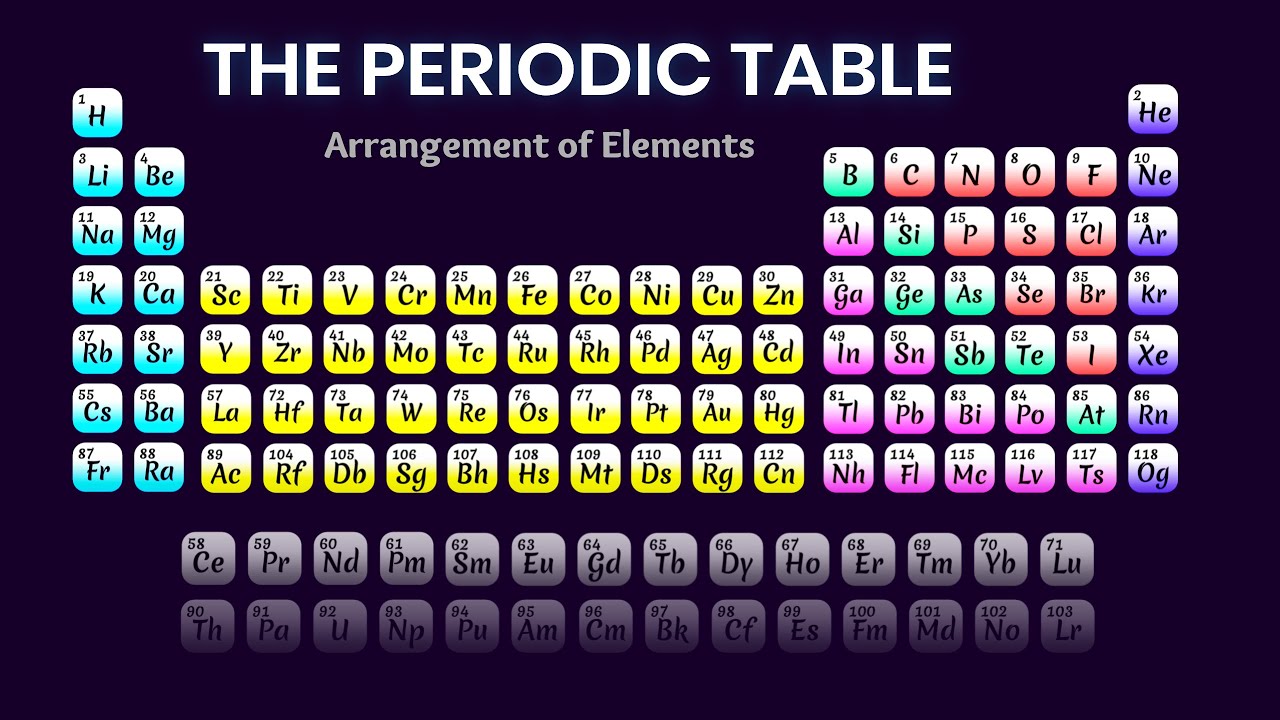
The Halogens are in Group 17 of the Periodic table. They have 7 electrons in their outer shell. They lie in the p-block. 5 outer electrons are held in a p-orbital. Example: Fluorine, 9 electrons. Example: Bromine, 35 electrons.
Properties of the Halogens
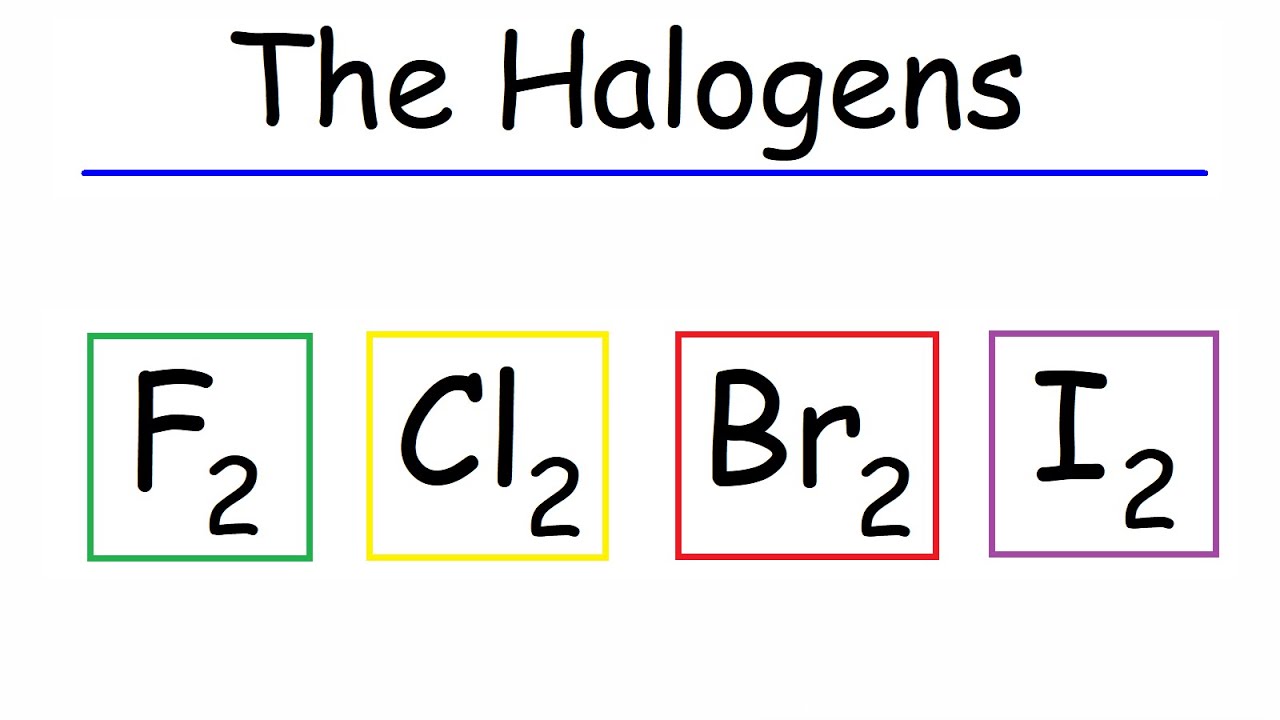
In general the Halogens: Are diatomic molecules. X2 Example: Fluorine. They have different appearances. Low melting and boiling points. Only weak intermolecular forces of attraction exist between the molecules.
Trends of the Halogens
Atomic Size: Down the group, atoms get larger, Each successive element has another shell of electrons. Electronegativity: Down the group, electronegativity decreases, This is because: The outer electrons are held further from the nucleus, Increased levels of shielding. Boiling and Melting Points. As we move down the group the boiling point increases. This is because: Each successive element has an extra shell of electrons. This allows for a greater surface area of the molecule. There will be a greater degree of London forces of attraction occurring. The lower the boiling point, the more volatile the element. Down the group, we see a change in physical state.
Summary
The Halogens are in Group 17
a. 7 electrons in their outer shell
Lie in the p-block
a. 5 outer electrons are held in a p-orbital
We see trends in the Halogens
a. Atomic Radius
i. Increases down the group
ii. Each successive element in the group gains a shell of electrons
b. Electronegativity
i. Decreases down the group
ii. Outer electrons are held further from the nucleus
iii. Increased levels of shielding
c.Boiling and Melting Points
i. Increases down the group
ii. Each successive element in the group gains a shell of electrons, increasing the surface area of the molecules
iii. A greater degree of London forces occur
iv. More energy is required to overcome these forces of attraction
In general:
a. The halogens exist as diatomic molecules
i. X2
b. Have different, distinct appearances
c. Have relatively low melting and boiling points
Повторяем попытку...

Доступные форматы для скачивания:
Скачать видео
-
Информация по загрузке: