Small-Scale Gold Mining vs Industrial Gold Recovery
Автор: Aurum Meum AI Academy
Загружено: 2025-09-06
Просмотров: 1126
Описание:
⚖️ Small-Scale vs Industrial Gold Recovery
Gold recovery takes many forms, from a prospector’s pan on a riverbank to massive industrial mines processing millions of tons of ore. Episode 29 of Placer Gold: Field to Furnace compares the two ends of the spectrum: small-scale gold recovery and industrial gold recovery. Each has unique advantages, challenges, and impacts on communities and the environment.
⸻
🔍 Small-Scale Gold Recovery
Small-scale mining — sometimes called artisanal mining — relies on simple tools and techniques.
• Methods: Panning, sluice boxes, rockers, trommels, and shaker tables.
• Scale: Yields are measured in grams or ounces per day.
• Accessibility: Requires little capital investment, making it possible for individuals or families to work claims.
• Flexibility: Miners can quickly shift between sites and adapt methods to different environments.
Small-scale gold recovery keeps mining traditions alive and provides income in rural areas around the world.
⸻
📖 Industrial Gold Recovery
Industrial recovery represents the other extreme — large-scale operations often run by corporations.
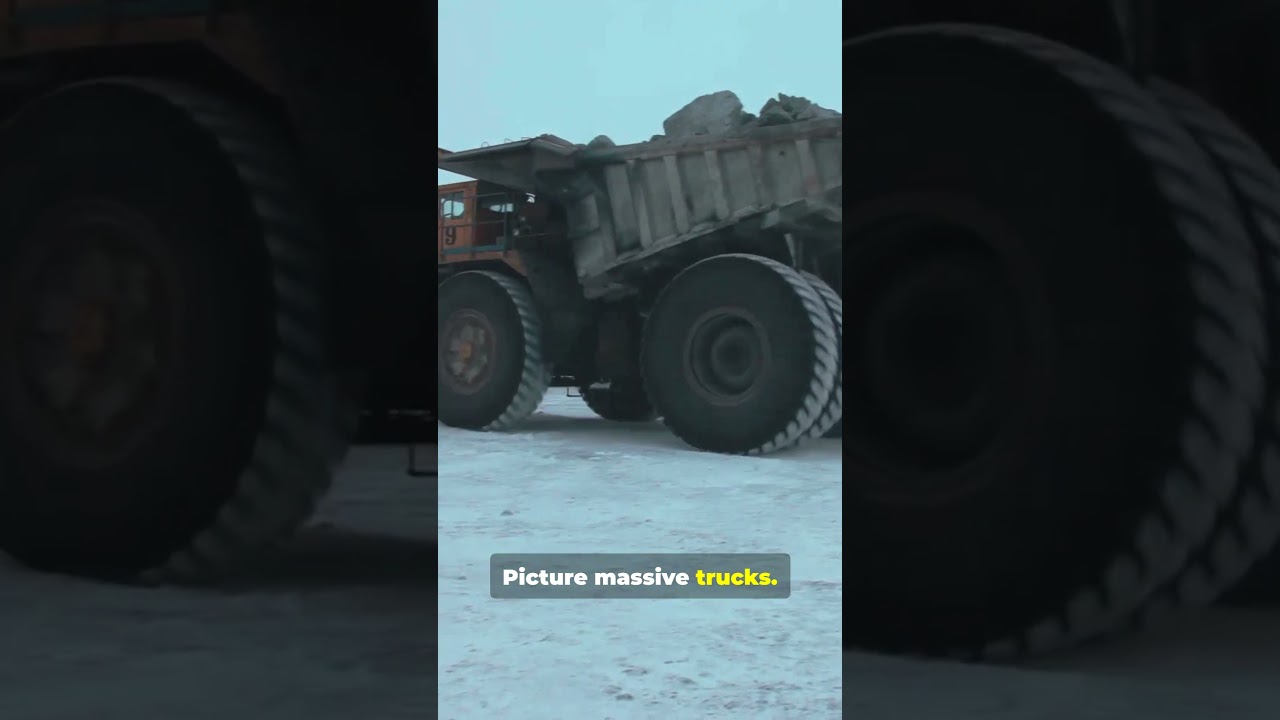
• Equipment: Excavators, haul trucks, crushers, ball mills, flotation circuits, and cyanide leaching pads.
• Scale: Yields measured in thousands of ounces per month.
• Capital Costs: Requires millions to billions in investment.
• Efficiency: Recovery rates of 85–95% are common, even from low-grade ore.
Industrial mining dominates global production, supplying most of the gold used in bullion, jewelry, and electronics.
⸻
⚖️ Comparing the Two Approaches
Productivity
• Small-Scale: Yields are small but meaningful at a local level.
• Industrial: Produces the vast majority of global gold supply.
Costs
• Small-Scale: Low startup cost; limited infrastructure.
• Industrial: Huge upfront capital but greater long-term profitability.
Environmental Impact
• Small-Scale: Can be destructive if mercury or poor practices are used, but often less landscape-scale disruption.
• Industrial: Large footprint with tailings ponds, cyanide leach pads, and energy use.
Community Impact
• Small-Scale: Provides direct employment in rural areas.
• Industrial: Creates infrastructure, schools, and revenue but often removes small miners from claims.
⸻
🌍 Why Both Matter
The gold industry depends on both scales of operation:
• Small-Scale: Keeps prospecting alive and supports livelihoods.
• Industrial: Supplies global demand and maintains large reserves.
• Together: They represent the spectrum of human ingenuity, from hand tools to megamines.
Understanding both perspectives helps us appreciate the diversity of gold recovery methods worldwide.
⸻
📌 Key Takeaways
• Small-scale mining uses simple tools with low yields but high flexibility.
• Industrial mining uses heavy equipment, complex chemistry, and massive infrastructure.
• Both approaches impact communities and the environment differently.
• Small-scale recovery keeps traditions alive; industrial mining dominates supply.
• Together, they represent the past, present, and future of gold recovery.
⸻
🔗 Related Episodes
• Episode 20: Cyanide Leaching – Why It Replaced Mercury
• Episode 23: Refining with Borax – Cleaner Small-Scale Gold
• Episode 25: Casting Gold Ingots – From Doré to Bullion
• Episode 27: Modern Placer Mining Operations – Alaska & Yukon
• Episode 30: Future of Placer Mining – Tech, AI & Drones
⸻
✅ SEO Keywords: small-scale gold recovery, artisanal mining vs industrial mining, gold recovery methods, industrial gold recovery, placer mining vs industrial mining, global gold supply chain, artisanal mining impacts, small miners vs large mining companies.
Повторяем попытку...
Доступные форматы для скачивания:
Скачать видео
-
Информация по загрузке:


