Noi vogliamo l’eguaglianza (Pietro Gori*) - Italian Folk Ensemble
Автор: Italian Folk Ensemble
Загружено: 2020-05-09
Просмотров: 235
Описание:
We want equality (Pietro Gori*)
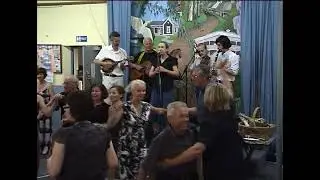
From the concert "La donna nella cultura popolare” (Women in popular culture) by the Italian Folk Ensemble - Adelaide, Australia 2nd November 2019. Performance of traditional and popular songs of the Italian people.
The Italian Folk Ensemble (Adelaide) has been for over 40 years, studying and performing traditional and popular songs and dances of the Italian people, fully respecting their individual musical style and their cultural context. These songs cover a wide spectrum of emotions and experiences of the people of Italy through the ages, and as such, they are a unique medium to learn Italian culture and history.
Song belonging to the repertoire of the mondine. It is a re- elaboration of “Amore ribelle”. The text was collected by Jona and Liberovici in Vercelli in 1960.
Canto di risaia, e elaborazione della canzone “Amore ribelle” con testo raccolto da Emilio Jona e Sergio Liberovici nel Vercellese nel 1960.
Noi vogliamo l’eguaglianza,
síam chiamati malfattori;
ma noi siam lavoratori
che i padroni non vogliam.
E giù la schiavitù,
vogliam la libertà,
sìam lavoratori,
siam lavoratori.
E giù la schiavitù,
vogliam la libertà,
siam lavoratori,
vogliamo la libertà.
E noi donne sventoliamo
le bandiere insanguinate,
e farem le barricate
per la vera libertà.
E giù la schiavitù,
vogliam la libertà, ...
E voialtri signoroni
che avete molto orgoglio,
abbassate la superbia
ed aprite il portafoglio.
E giù la schiavitù,
vogliam la libertà,
siam lavoratori,
vogliamo la libertà.
E giù la schiavitù,
vogliam la libertà,
siam lavoratori,
vogliamo la libertà.
Pietro Gori (Messina,14 agosto 1865 - 8 gennaio 1911).
Fu avvocato, giornalista, intellettuale, poeta e compositore. Da avvocato, difese senza sosta, gli attivisti politici fino alla morte.
È ricordato come autore dei più famosi brani anarchici della fine del XIX secolo, tra cui: Addio Lugano, Ballata per Sante Caserio, Stornelli d'esilio, ... Inno del primo maggio.
Nel 1887 fu arrestato per scritti sui martiri di Chicago negli scontri di Haymarket Square.
Alcuni degli scioperanti furono accusati di organizzare i disordini del 1º maggio 1886 per rivendicare la giornata lavorativa di 8 ore e furono impiccati l'11 novembre 1887; e di nuovo per aver contestato la presenza di navi statunitensi nel porto di Livorno.
Gori era ben noto alla polizia segreta. Infatti, in un memorandum del Ministero degli Interni datato 22 novembre 1891 e inviato a tutte le regioni italiane, richiedeva che fosse tenuto sotto stretta sorveglianza.
Per precauzione, all’approssimarsi del primo maggio, veniva sistematicamente arrestato.
Ironicamente, durante una di queste detenzioni, nel 1892, nella prigione di San Vittore, scrisse i testi per l'Inno del Primo Maggio.
We want equality
we are labelled criminals
but we are workers
who do not want bosses.
Down with slavery,
we want freedom,
we are workers,
we are workers.
Down with slavery,
we want freedom,
we are workers,
we want freedom.
And we women shall wave
the blood stained-banners,
and we will erect barricades,
for true freedom.
Down with slavery,
we want freedom, ...
And you fat cats
bursting with pride
tone down your arrogance
and open up your wallets.
Down with slavery,
we want freedom,
we are workers,
we are workers.
Down with slavery,
we want freedom,
we are workers,
we want freedom.
Pietro Gori was born in Sicily, 14 Aug 1865.
He was a lawyer, journalist, intellectual and poet. Known for his political activities and for offering legal defence to political activists to the end of his life.
Gori is the author of some of the most famous anarchist songs of the late 19th century, including: Addio Lugano Farewell Lugano, Stornelli d’esilio Exile Songs, … Inno del Primo Maggio May Day Anthem.
In 1887, he was arrested for writing about the Chicago victims of the Haymarket Square Riots.
Some of the strikers were accused of organizing the riots of 1 May 1886 where they had gathered to put claim to the 8 hour workday; subsequently, they were hanged for it on 11 November 1887; and for objecting to the presence of US ships in the port of Livorno.
Gori was well known to the secret police. Indeed, a memorandum from the Ministry of the Interior dated November 22, 1891 and sent to all the Italian regions, requested that he be kept under special surveillance.
As a precaution, authorities regularly arrested him just before each May Day.
Graphic: Il quarto stato, Pelliza da Volpedo
Повторяем попытку...

Доступные форматы для скачивания:
Скачать видео
-
Информация по загрузке: