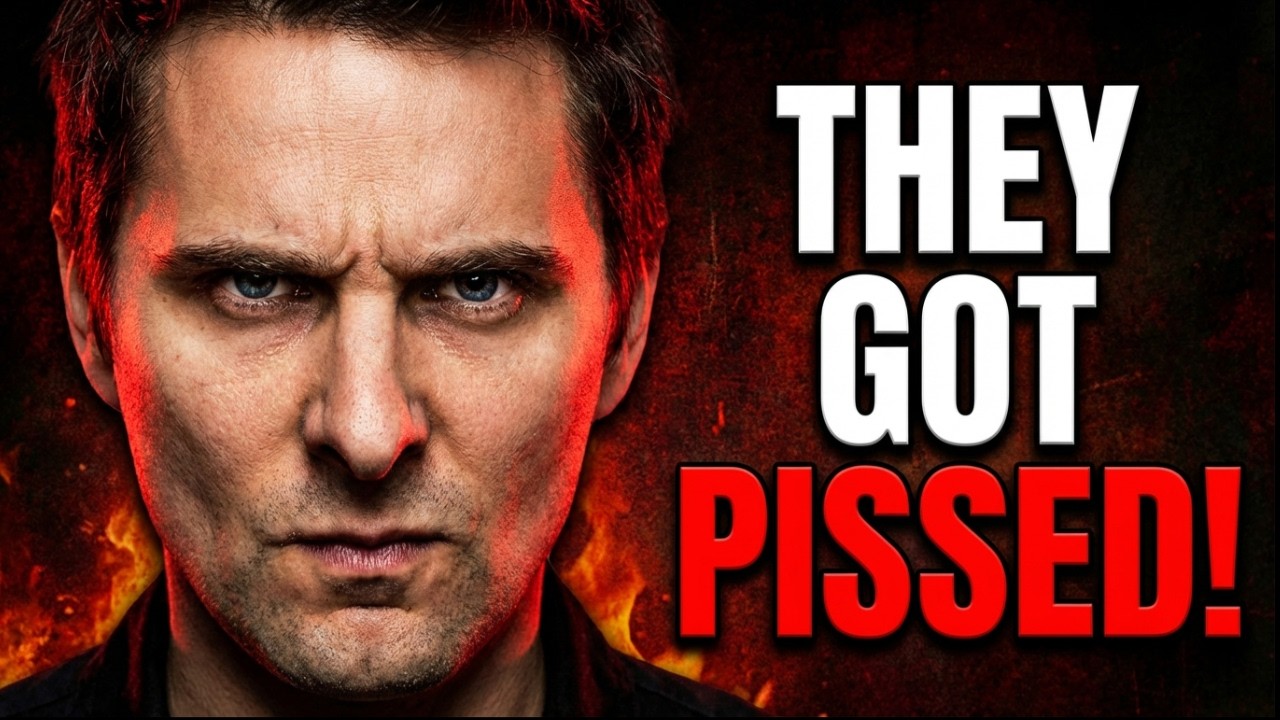
Freddie Mercury Wrote a DISS TRACK So Vicious, He GOT SUED
Автор: Rock N' Roll True Stories
Загружено: 2026-02-17
Просмотров: 4720
Описание:
The story behind the Queen diss track Death on Two Legs.
My second YouTube Channel
/ @rocknrolltruestories2
Have a video request or a topic you'd like to see us cover? Fill out our google form!
https://bit.ly/3stnXlN
----CONNECT ON SOCIAL----
TIKOK: / rocknrolltruestory
Instagram: / rnrtruestories
Facebook: / rnrtruestories
Twitter: / rocktruestories
Blog: www.rockandrolltruestories.com
#queen #freddiermercury #brianmay
We all know Queen: the anthems, the drama, the stadium-filling choruses that turned four misfits into rock royalty. They specialized in the grand and glorious. But buried on their 1975 masterpiece A Night at the Opera is a song so personal and vicious it helped ignite a lawsuit and expose an ugly story of money, power, and betrayal.
This wasn’t fiction. It was a musical hit job, written with real venom and aimed at one man. This is how a broken business relationship pushed Freddie Mercury to write his most savage attack song. This is the rage, the insults, and the man behind Queen’s nastiest piece of musical revenge: “Death on Two Legs.”
In the early ’70s, Queen were just an ambitious London band looking for a break. They found it at Trident Studios, run by brothers Norman and Barry Sheffield. Trident was hallowed ground: The Beatles, David Bowie, all the big names. Norman didn’t just offer studio time; he took Queen on as a management and production client. In 1972 they signed a bundle of contracts for recording, publishing, and management. Unlimited studio time sounded like a dream. The fine print turned it into a cage.
Under Trident, Queen recorded Queen, Queen II, and Sheer Heart Attack. “Killer Queen” hit number two in the UK. The band were on TV, in the charts, and packing venues. On paper, they were successful. In reality, they were broke. Brian May later recalled living in a tiny bedsit. John Deacon, newly married, couldn’t get a modest advance for a house deposit. Roger Taylor remembered being told they couldn’t afford new drumsticks while watching their managers ride in stretch limos.
The structure of the deal meant Queen were effectively on wages while Trident recouped costs. By the end of 1973, the band’s recording bill alone was said to be tens of thousands of pounds. Norman Sheffield, in his memoir Life on Two Legs, argued he’d taken a huge risk on an unknown band, provided top-tier resources, and that the contracts were standard. In his telling, Queen’s expectations and expenses outpaced the cash actually coming in.
Queen didn’t see nuance. They saw exploitation. Resentment hardened into a sense of betrayal. When John Reid came in as their new manager, he spent much of his early time trying to unwind those deals. Brian May would later call signing away their publishing “the worst decision we ever made.” The emotional damage, though, was harder to fix.
By 1975, after legal wrangling and a costly settlement, Queen finally escaped Trident—but at the price of a large payout and a share of future royalties. They walked into A Night at the Opera financially bruised but creatively unleashed. Freddie had years of anger bottled up, and he chose to exorcise it the way he knew best: in a song.
That song was “Death on Two Legs,” the album’s opening track. From the elaborate, almost classical piano intro into the snarling guitar riff, it announces itself as a declaration of war. Freddie reportedly set out to make the lyrics as harsh as possible, and when the band first saw them, they were shocked. But they agreed to stand behind him. If this was going to be a hate letter, then Queen were going to sign it together.
These videos are for entertainment purposes only. READ OUR DISCLAIMER https://rockandrolltruestories.com/yo...
Повторяем попытку...

Доступные форматы для скачивания:
Скачать видео
-
Информация по загрузке: