Meditation for Beginners: Long Deep Breathing | SHUNIYA | Kundalini Yoga and Meditation
Автор: SHUNYA
Загружено: 2020-07-08
Просмотров: 485
Описание:
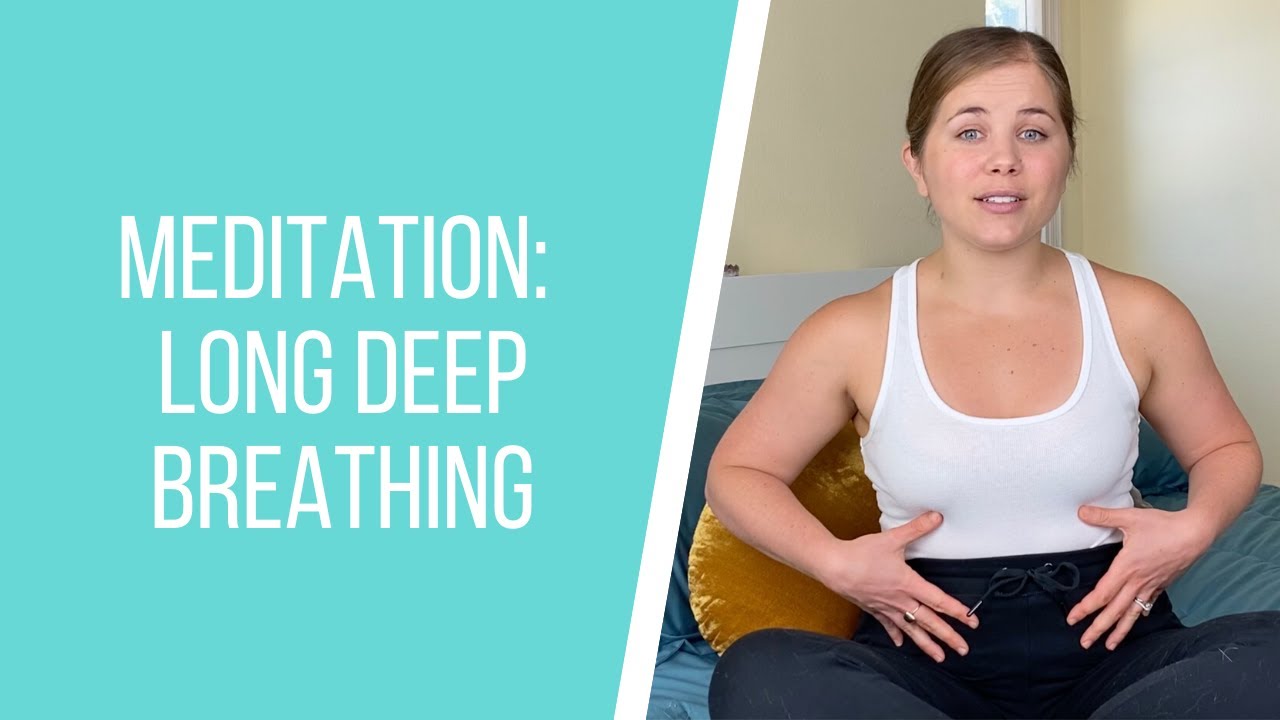
Practice long deep breathing to lower stress and enhance your life.
SUBSCRIBE ► / @shunya4448
DOWNLOAD FREE MINDFUL MORNING CHECKLIST ► https://www.shunyalife.com/free-mindf...
MORE SHUNYA:
Website: https://www.shunyalife.com
Instagram: / _shunyalife_
Facebook: / shunyalife
Pinterest: / shunyalife
Twitter: / shunyalife
*******************************************
"Do the best you can until you know better. Then when you know better, do better." - Maya Angelou
Our bodies breathe the best they can, automatically, but when we practice conscious long deep breathing, we discover how the breath engages with our muscles and organs, and we experience its impact on our nervous system. We feel less stressed because it enacts the parasympathetic nervous system, which allows our bodies to rest, digest, and restore. We tap into our innate state of calmness.
When I was young, my mom intuitively knew to remind me to breathe when I got upset. But as I grew older, I began to hold my stomach muscles in. Many of us are conditioned to want a flat stomach, which unfortunately prevents deep breathing.
Shallow breathing limits the diaphragm’s range of motion, which in turn limits lung capacity, enacting the sympathetic fight-or-flight nervous system when we breath in and out of the chest.
The more you intentionally practice long deep breathing, it becomes easier and easier to use the breath as a tool to tap into your parasympathetic nervous system and reduce stress on command.
Benefits of Long Deep Breathing
Whether you're new to meditation and breath work or you've been practicing for years, long deep breathing is a simply way to calm down, get focused, and enhance your life overtime. In my opinion, there are endless benefits, but here are a few specifics backed by science:
1. Reduced Stress
Deep breathing increases the supply of oxygen to your brain and stimulates the parasympathetic nervous system, which causes you to calm down and relax.
2. Reduced Toxins
Long deep breathing reduces and prevents the build up of toxins in the lungs by helping to clear small air sacs called alveoli.
3. Increased Endorphins
Long deep breathing stimulates endorphins in the brain that help fight depression.
4. Stabilized Blood Pressure
Deep abdominal breathing supports full oxygen exchange with carbon dioxide, which can slow down your heartbeat and lower blood pressure.
Your diaphragm is a dome-shaped sheet of muscle that separates your chest cavity from your abdomen and intestines. As you relax your diaphragm and extend your belly, the dome flattens and creates extra space for your lungs to expand. When you exhale, the dome is re-created and the air from the lower lungs is pushed up and out. So your lower lungs are used more efficiently.
Here’s what you need to do to practice:
Let the breath relax to a normal pace and depth.
Bring your attention to your navel point, just below your belly button.
Take a slow deep breath through the nose by letting the belly relax and expand.
As you exhale, gently pull your navel in and up toward your spine.
Keep your chest relaxed.
Focus on breathing entirely with your lower abdomen.
Continue, starting with three minutes, or practice whenever you’re feeling stressed and need to take a moment for yourself.
Remember, we’re all doing the best we can, but there’s always an opportunity to do better.
Sat Nam ♥ Ashlee
Повторяем попытку...
Доступные форматы для скачивания:
Скачать видео
-
Информация по загрузке:


