Women-led KHUSI-pad-business and Commercial farming-Madi, Nepal | Rotary Club of Burlington Central
Автор: Rotary Club Burlington Central
Загружено: 2023-05-07
Просмотров: 119
Описание:
This is a video presentation of a project initiated by the Rotary Club of Narayangarh, Nepal (the host club) and sponsored by the Rotary Club of Burlington Central in Burlington, Ontario.
It aims at helping three villages in Madi municipality of Chitwan district in Nepal. The villages are Gardi, Amarauli and Biranchi villages.
The areas of Rotary focus of this project are Community Economic Development, Environment and Health.
The host club; Rotary Club of Narayangarh conducted a community assessment and discovered that teenage school girls do not attend schools during their menstrual period, women and girls spend their time in the barns and shed and they are not allowed to enter the house and kitchen during the period. As a result, less than 5% of girls finish their high school education.
These villages are very remote. The federal, provincial and municipal government help from Nepal is non-existent. Most women are house wives. Men are day labourers or work in the fields.Women spend their time at home either doing household chores; cooking, cleaning, feeding the animals and looking after the children and elderly. They do not have any job opportunities.
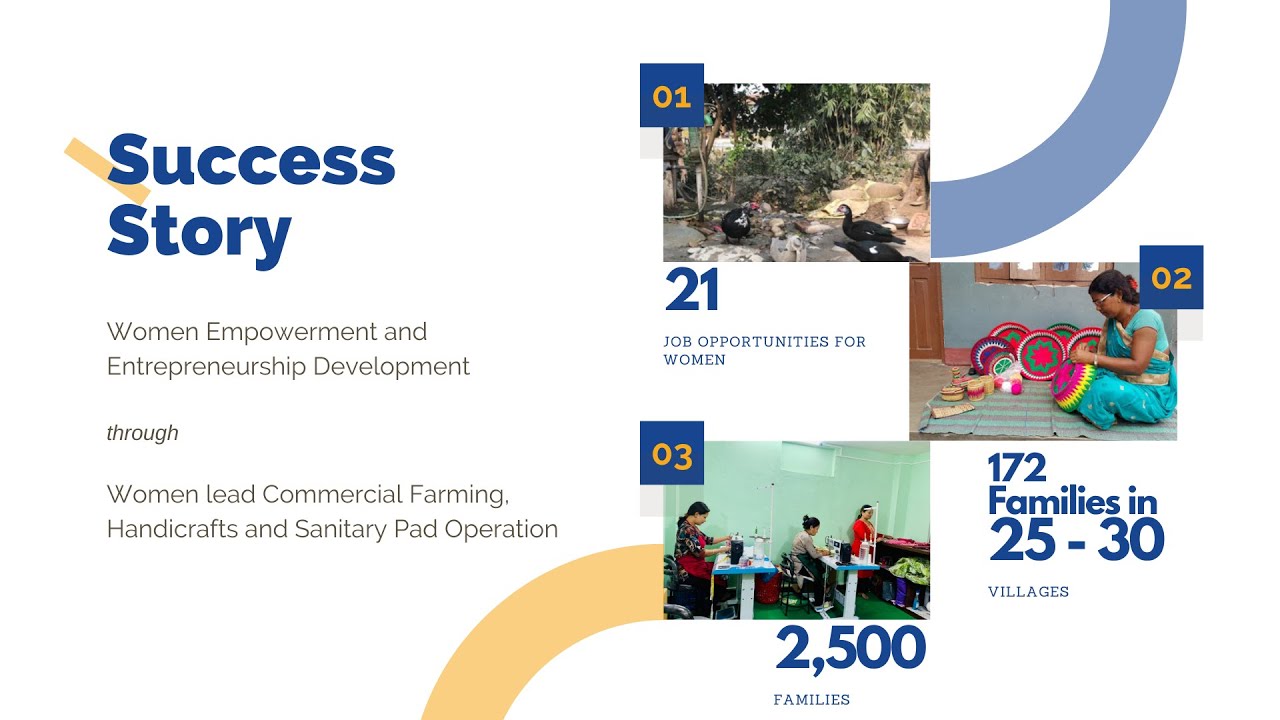
This project aims at helping the indigenous women of these three villages by providing them employment opportunities for 21 women through sanitary pad operations, commercial farming and handicrafts. This project directly helps 172 families in 25-30 villages and indirectly impacts 2,500 more families.
The reusable sanitary business will be sustainable with the complimentary businesses of commercial farming and handicrafts. The profits generated from commercial farming and handicrafts will be used to buy the raw materials for sanitary business.
More Details below:
Out of 8,000 families living in Madi municipality, 2,500 families belong to indigenous castes. 80% of these indigenous women use unhygienic cloths as sanitary pads, only 20% use disposable sanitary pads. Adolescents/teenage school girls from poor families use cloths as sanitary pads, they do not go to school during period.
The objectives of the project are (1) To uplift the 172 indigenous and poor women economically directly and benefit 2,500 indigenous families indirectly (2) To create employment opportunities locally for at least 21 women (3) To improve the menstrual hygiene of indigenous women and (4) To make the three women groups as entrepreneurs.
In the past, all above 3 women groups have attempted to start up business (entrepreneurship) on commercial farming, animal husbandry, fish/duck/poultry farming in the past, but due to lack of financial and technical supports, all 3 groups are still struggling and not profitable yet. On sanitary pad business side, no one has attempted in Madi.
There will be three sub-components of this project (i) Sanitary Pad Business: reusable/ disposable sanitary pad to benefit 2500 indigenous families and 43 numbers of governmental schools (ii)
Handicraft Business:
Indigenous handicrafts made of local materials and exportable quality, will benefit 3 women groups (172 members) and (iii) Commercial Farming: Fish/ Duck/ Poultry/ Pig Farming to benefit 172 women.
Existing Situation of Menstrual Hygiene Management: The rapid survey data of 3 villages (Gardi, Amarauli and Biranchi) shows that around 60% indigenous women use soap washed clothes as sanitary pads. They use 3 clothes for alternative use. During the menstruation period, women are not allowed to enter into kitchen, temples/ churches, serve the foods, have lunch/dinner together with family members, celebrate festivals (Hindu) and many school girls do not go to schools.
Повторяем попытку...
Доступные форматы для скачивания:
Скачать видео
-
Информация по загрузке: