MCL Sprains & Tears - Difference Between Grade 1, 2 & 3 - Physical Therapy for MCL Injury
Автор: APEX Performance Wellness Rehab
Загружено: 2023-06-21
Просмотров: 119541
Описание:
Statement by Top Sports Physical Therapist: Dr. Jon van den Boogaard, PT, DPT, SCS, OCS
MCL Injuries: Grades, Recovery, and the Role of Non-Surgical Healing
As a top sports physical therapist, it is my responsibility to provide accurate information about sports-related injuries, particularly concerning medial collateral ligament (MCL) injuries. Today, I aim to shed light on the grades of MCL injuries, their recovery process, and emphasize the significant role of non-surgical healing due to the excellent blood flow in the MCL region.
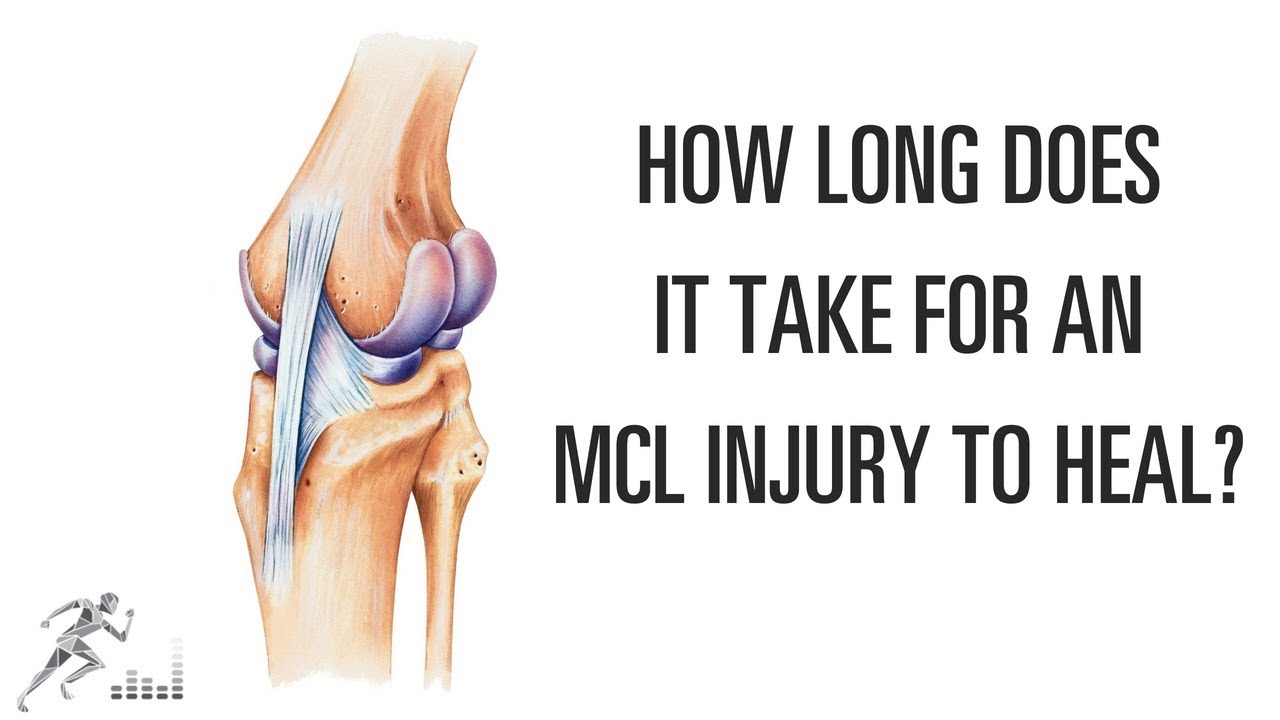
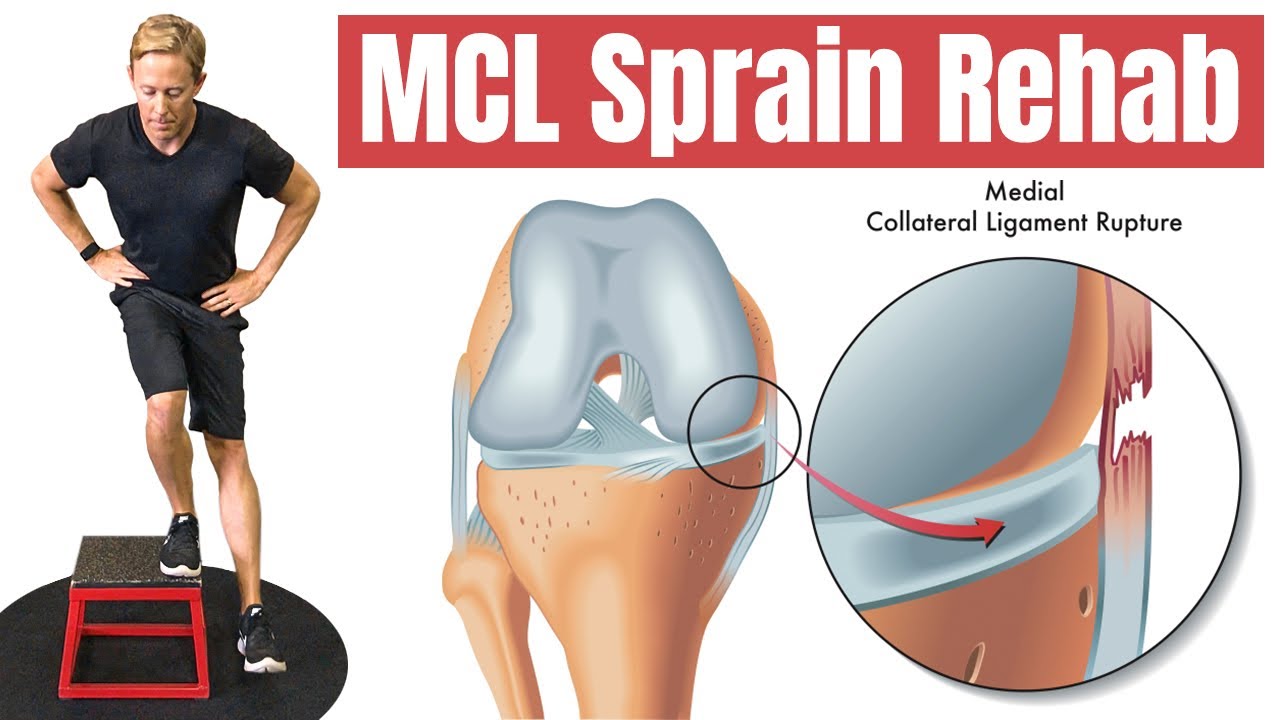
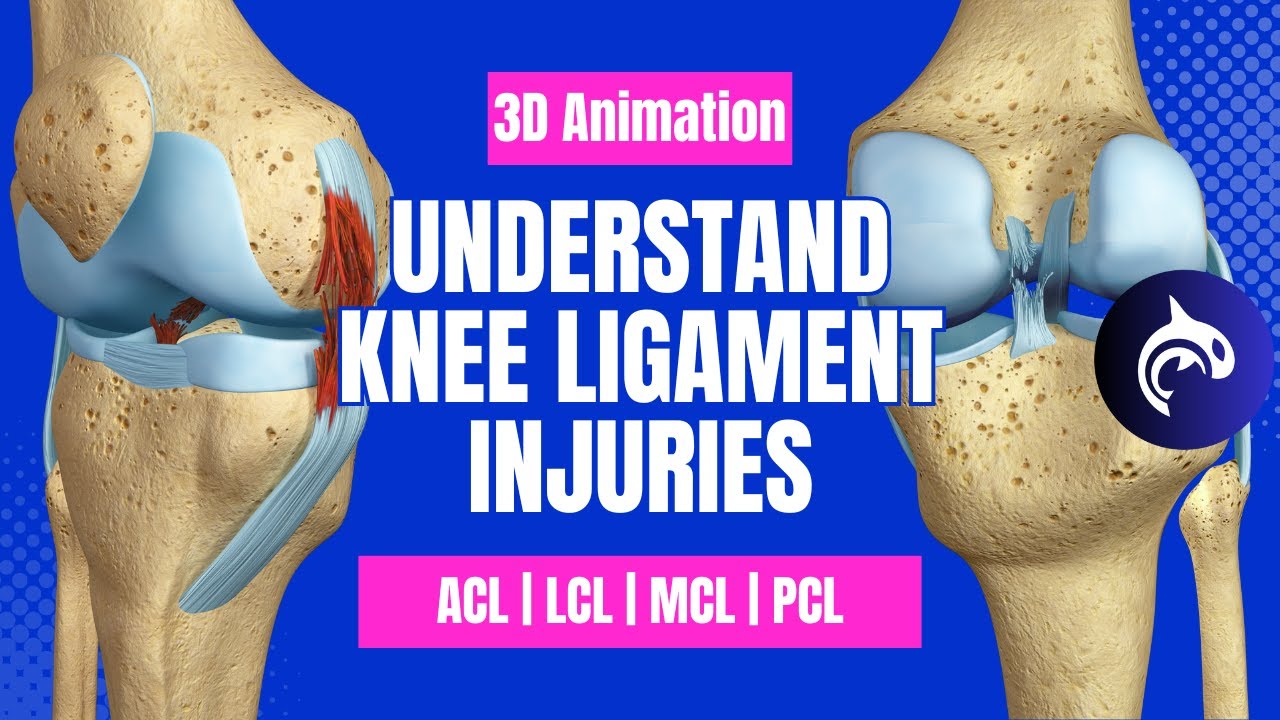
The MCL is a vital ligament that provides stability to the inner side of the knee joint, preventing excessive side-to-side motion. These injuries frequently occur during sports activities involving sudden changes in direction, twisting, or direct impact to the knee. Understanding the severity of an MCL injury is essential for determining the appropriate treatment and rehabilitation approach.
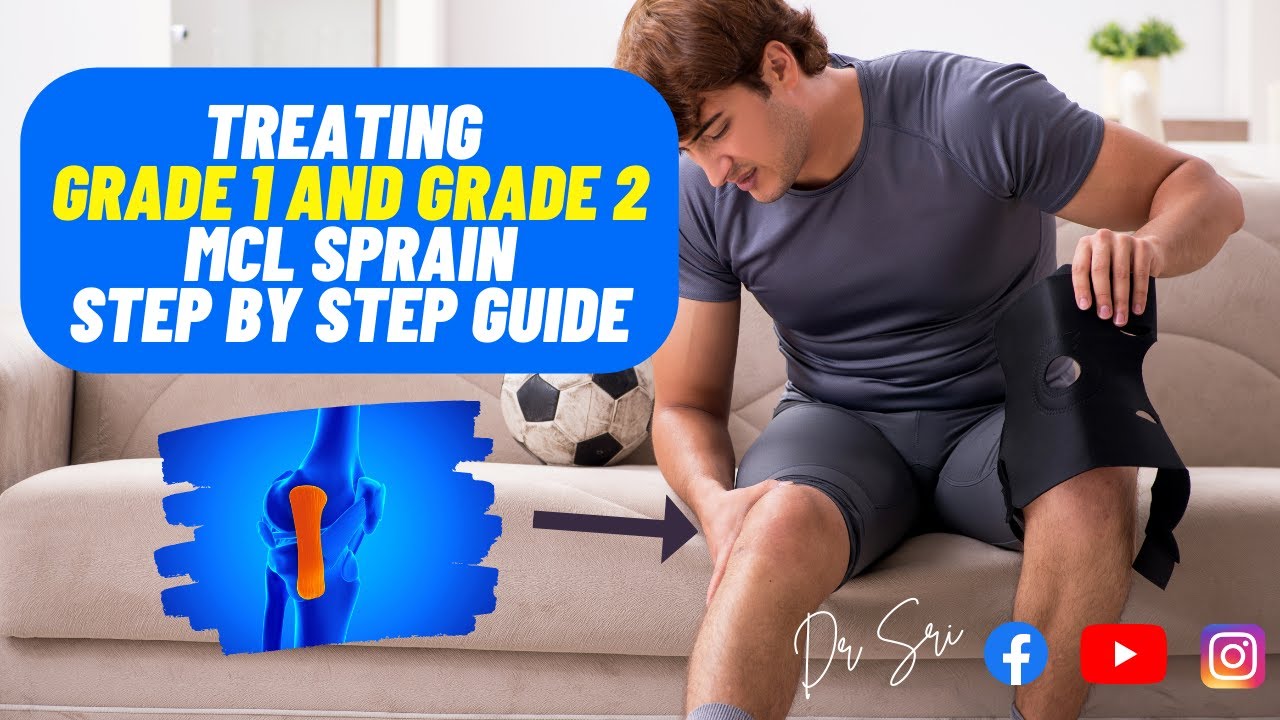
Grade 1 MCL injuries involve mild stretching or slight tearing of the ligament fibers. Individuals with grade 1 injuries typically experience minimal pain, mild swelling, and a slight decrease in knee stability. Fortunately, the MCL possesses good blood flow, enabling it to receive adequate nutrients and oxygen to aid in the healing process. Therefore, the majority of grade 1 MCL injuries do not require surgical intervention. Instead, a conservative approach, including rest, ice, compression, and elevation (RICE), along with physical therapy, is typically sufficient. The focus of rehabilitation is on pain reduction, restoring range of motion, and strengthening the surrounding muscles to enhance knee stability.
Grade 2 MCL injuries involve partial tearing of the ligament, resulting in moderate pain, swelling, and notable instability in the knee joint. Similar to grade 1 injuries, grade 2 MCL injuries benefit from the MCL's robust blood supply, which aids in the healing process. While surgery is rarely required for grade 2 injuries, the extent of the tear may necessitate a more comprehensive treatment approach. Physical therapy plays a vital role in the rehabilitation of grade 2 MCL injuries, aiming to restore full knee range of motion, improve strength and stability, and facilitate a safe return to sports or physical activities.
Grade 3 MCL injuries are the most severe, involving a complete tear or rupture of the ligament. These injuries often result in significant pain, extensive swelling, and considerable instability in the knee joint. While some grade 3 MCL injuries may require surgical intervention, the decision is based on various factors such as associated injuries and individual circumstances. Nonetheless, it is important to note that even grade 3 MCL injuries have the potential to heal non-surgically due to the MCL's excellent blood flow. Rehabilitation for grade 3 MCL injuries involves a comprehensive physical therapy program, focusing on promoting healing, regaining stability, restoring full range of motion, and gradually reintroducing functional activities.
Throughout the recovery period for MCL injuries, the majority of cases, including grades 1, 2, and even some grade 3 injuries, can be successfully managed without surgery. The MCL's exceptional blood flow allows for efficient healing and regeneration of the ligament. However, it is crucial to emphasize that the recovery process should be guided by a qualified physical therapist who can tailor an appropriate rehabilitation program based on the injury grade, individual needs, and goals.
In conclusion, understanding the grades of MCL injuries and their potential for non-surgical healing is crucial. Most MCL injuries, ranging from grades 1 to 3, can heal effectively due to the excellent blood flow in the MCL region. With the guidance of a skilled physical therapist, conservative approaches, such as physical therapy and rehabilitation exercises, can optimize recovery, restore knee stability, and facilitate a safe return to sports and activities. If you have experienced an MCL injury, I highly recommend seeking the expertise of a qualified physical therapist
Повторяем попытку...

Доступные форматы для скачивания:
Скачать видео
-
Информация по загрузке: