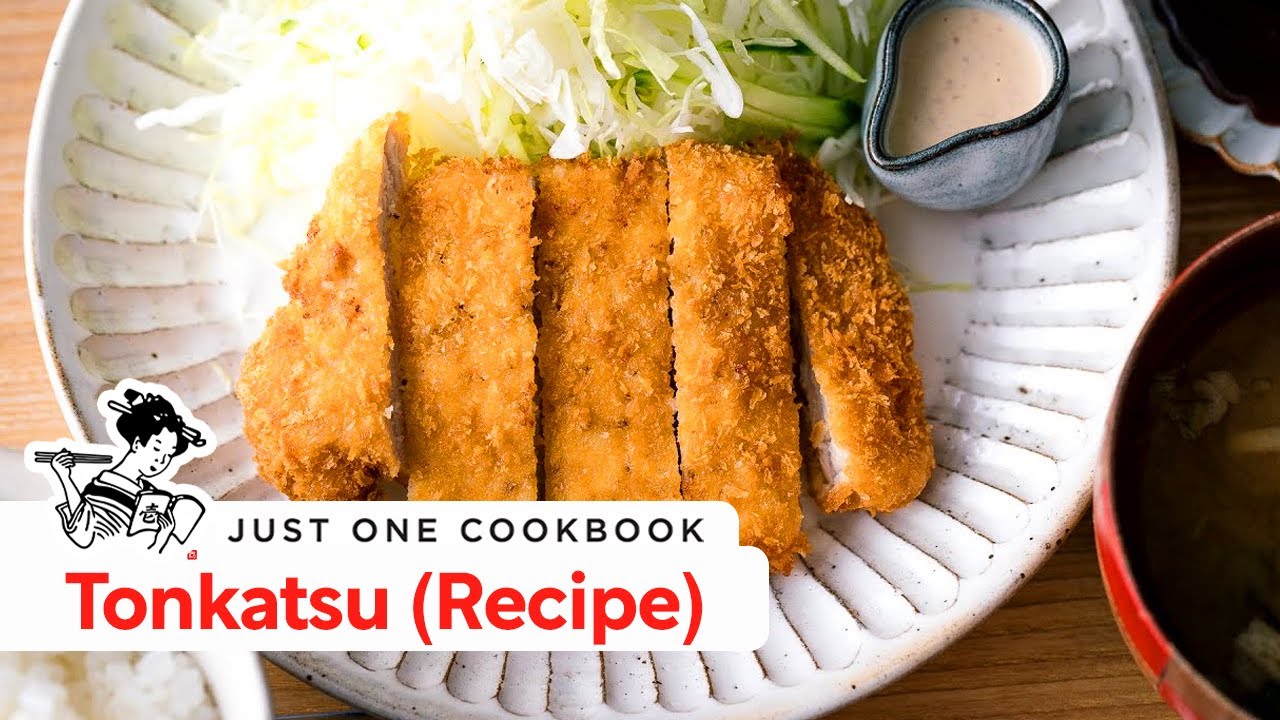
The Only Tonkatsu Recipe You’ll Ever Need | Crispy Japanese Pork Cutlet | Homemade Tonkatsu Sauce
Автор: Cook with Larry
Загружено: 2025-05-23
Просмотров: 1609
Описание:
✔️ Thermometer: https://amzn.to/3ForsoO
✔️ Aussie Lemonade: https://amzn.to/4je4gaM
Whenever the weather turns gloomy or my mood dips, I find myself craving a plate of Tonkatsu. That golden crust, the juicy, tender meat inside, and the irresistible aroma—it’s like a magic spell that suddenly makes everything around you feel better.
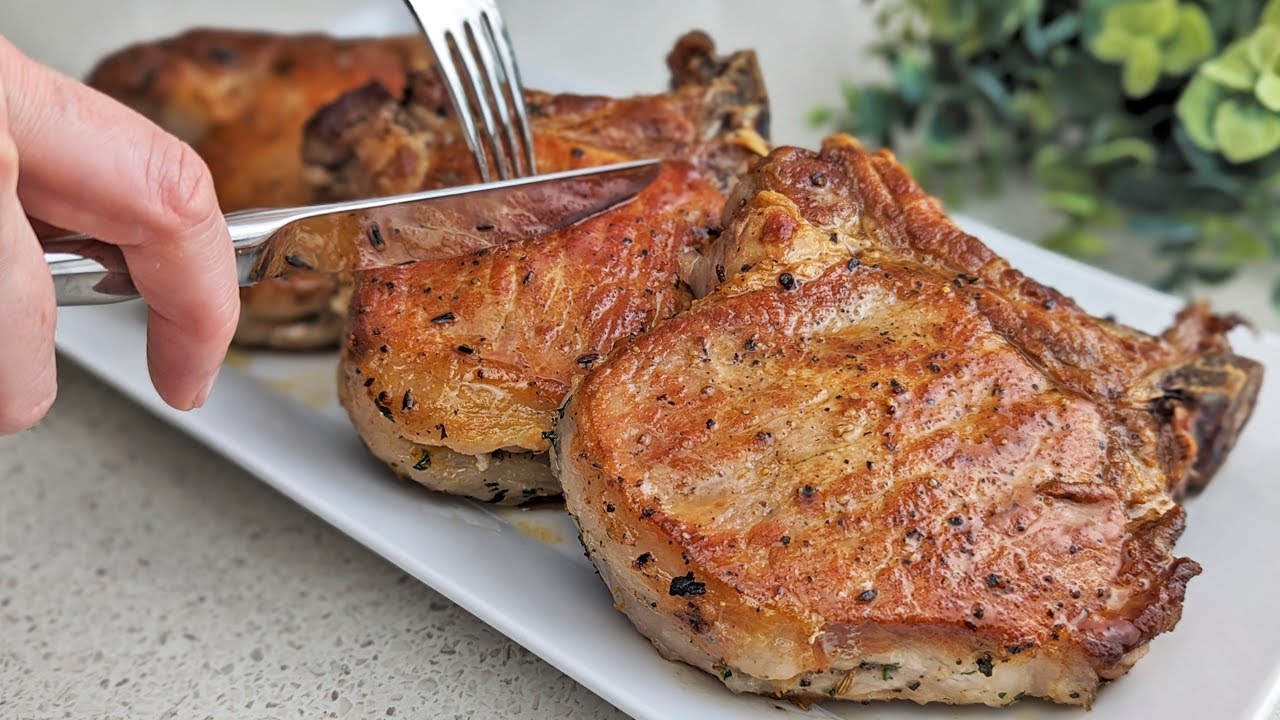
Instead of pork loin, I’ll use scotch fillet. The marbling is just right, and when fried, it turns out wonderfully tender and flavourful. Start by gently pounding the pork with a meat mallet—not too hard, after all, it’s just a humble piece of pork, not your boss. The goal is simply to loosen it up a bit so the seasoning sticks better.
Sprinkle on some salt and black pepper, then press it in lightly so the seasoning stays put.
No authentic Tonkatsu is complete without a side of shredded cabbage. Cut off the tough stem and slice the remained leaves into ultra-fine shreds. The finer the better. There’s no dressing in classic Japanese cabbage salad, so if your cabbage isn’t finely shredded, the texture and flavour just won’t hit right.
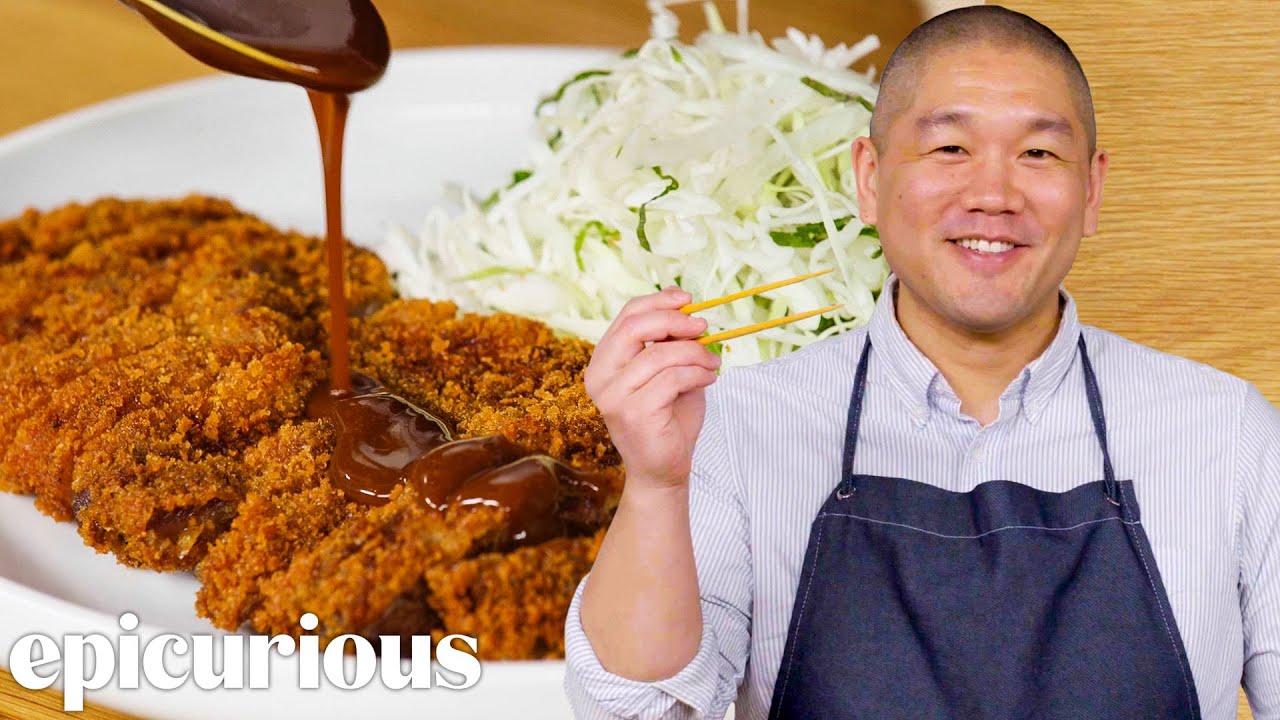
Now, let’s talk Tonkatsu sauce. To be honest, if your Tonkatsu is cooked perfectly, it tastes amazing even without any sauce. But if you like a little extra flavour, here’s a simple homemade version:
50g ketchup,
50g Worcestershire sauce15g oyster sauce5g lemon juice.
5g sugar
Next, prepare three trays: one for flour, one for 2 beaten eggs, and one for breadcrumbs.To the flour (150g), add 3g salt and 1/8 tsp cayenne pepper. And for the breadcrumbs, make sure to use Japanese panko. The flakes are longer and crisp up better. Funny enough, in Australia, traditional breadcrumbs are becoming rare, while panko has taken over the shelves.
First, coat each pork chop evenly in the flour—don’t miss a spot. Then dip it into the egg mixture. In some Japanese restaurants, they use skewers to avoid disturbing the finished coating. Finally, press on the panko firmly so it sticks well.
Once all the chops are ready, it’s time to fry.
Pour about 4 cm deep of canola oil into a small pot and heat it to 160°C (320°F). Gently lower a pork chop into the oil. If you're using skewers, be very careful—hot oil is no joke. Tongs might be the safer bet. After about 40 seconds, gently flip it. Keep your movements smooth and steady.At exactly the 2-minute mark, take it out. Not “around 2 minutes”—I mean exactly 120 seconds.
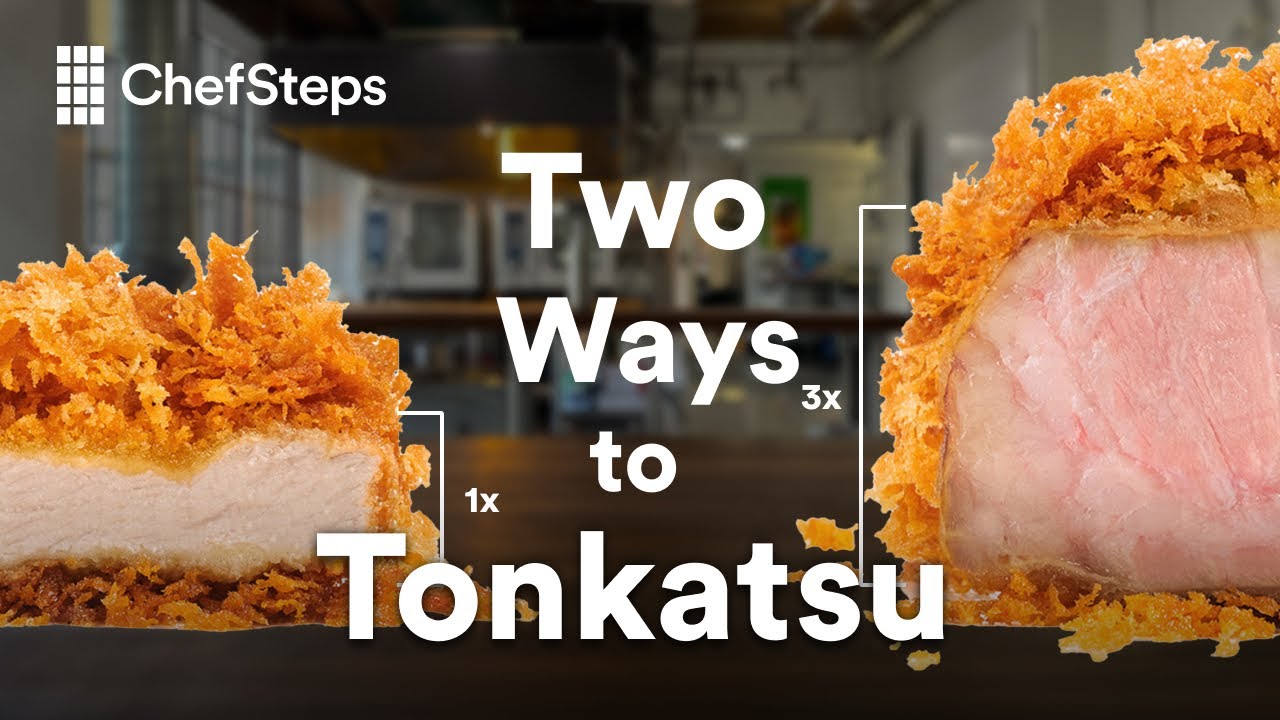
Since Tonkatsu is thick, precise control of time and temperature is crucial. The goal is to cook it through until the internal temperature reaches about 75°C (165°F) without drying it out. If it’s overcooked, it turns tough and loses its juiciness.
Now, after the first fry, raise the oil temperature to 180°C (356°F). Drop the pork chop back in for a second fry—just 1 minute. This makes the crust even crispier. So, it’s 2 minutes at 160°C, then 1 minute at 180°C. That’s the full cooking time. To get this right, a thermometer and a timer aren’t optional—they’re your best friends.
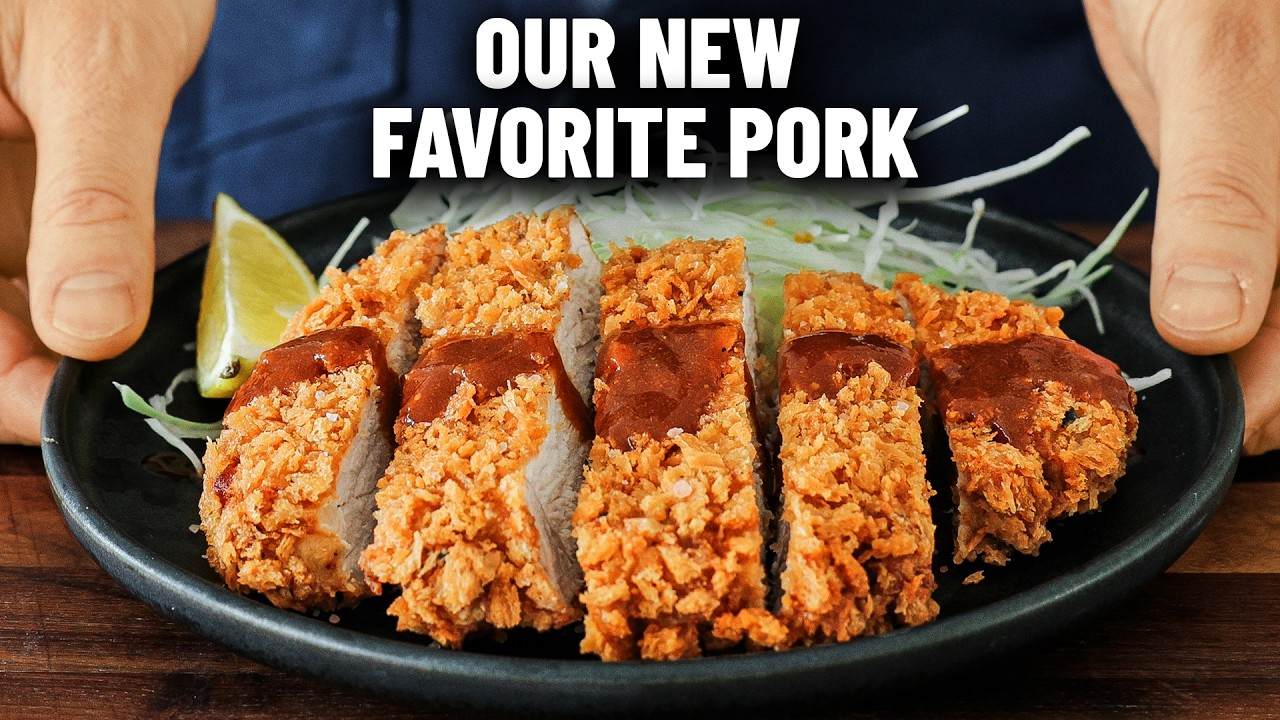
And now, the moment of truth. Slice into the pork—if it sounds right and feels right, it is right. Take a bite, and yep—instantly in a better mood. Told you so!
This would be the perfect time for a beer, but here in Australia, beer is as expensive as liquid gold. So how about a bottle of Aussie made lemonade instead? Not Sprite or 7-Up, but the real stuff made with actual lemons—refreshing in a whole different way.
Повторяем попытку...

Доступные форматы для скачивания:
Скачать видео
-
Информация по загрузке: