THE JOURNEY OF SPERM AND EGG | The Origin of Human Life | Two souls that becomes one.
Автор: Doctor P. Tv
Загружено: 2026-02-18
Просмотров: 171
Описание:
THE JOURNEY OF SPERM AND EGG | The Origin of Human Life
How does human life truly begin?
What happens inside the body at the very first moment of existence?
How do two microscopic cells come together to form a completely unique human being?
In this powerful and educational documentary, we explore the extraordinary biological journey of the sperm and the egg — a journey that marks the beginning of every human life on Earth.
From the formation of reproductive cells to the remarkable moment of fertilization, and from the earliest stages of cell division to implantation in the uterus, this video takes you step by step through the science behind human development.
🌱 The Beginning: Creation of Life Cells
Every human life begins long before fertilization occurs.
In males, specialized cells in the testes continuously produce sperm through a complex biological process called spermatogenesis. Millions of sperm cells are produced daily, each carrying half of the genetic information needed to create a new individual.
In females, egg cells (ova) are formed before birth. A baby girl is born with all the immature eggs she will ever have. During puberty and throughout reproductive years, hormonal signals regulate the maturation and release of these eggs in a monthly cycle known as ovulation.
This incredible coordination between hormones, organs, and cells prepares the body for the possibility of new life.
🧬 The Race: Millions, But Only One
One of the most fascinating aspects of reproduction is the journey sperm must undertake.
During ejaculation, millions of sperm begin a challenging voyage through the female reproductive system. However, this is not a simple or easy path. The environment is complex, and only a small fraction of sperm survive long enough to approach the egg.
Each sperm cell is uniquely structured:
A head containing genetic material (DNA)
A midpiece packed with energy-producing structures
A tail that propels it forward
The journey requires strength, direction, and timing. Yet out of millions, only one sperm will ultimately succeed in penetrating the egg.
This is not randomness — it is biology working with precision.
🌕 Ovulation: The Release of the Egg
Around the middle of a menstrual cycle, ovulation occurs.
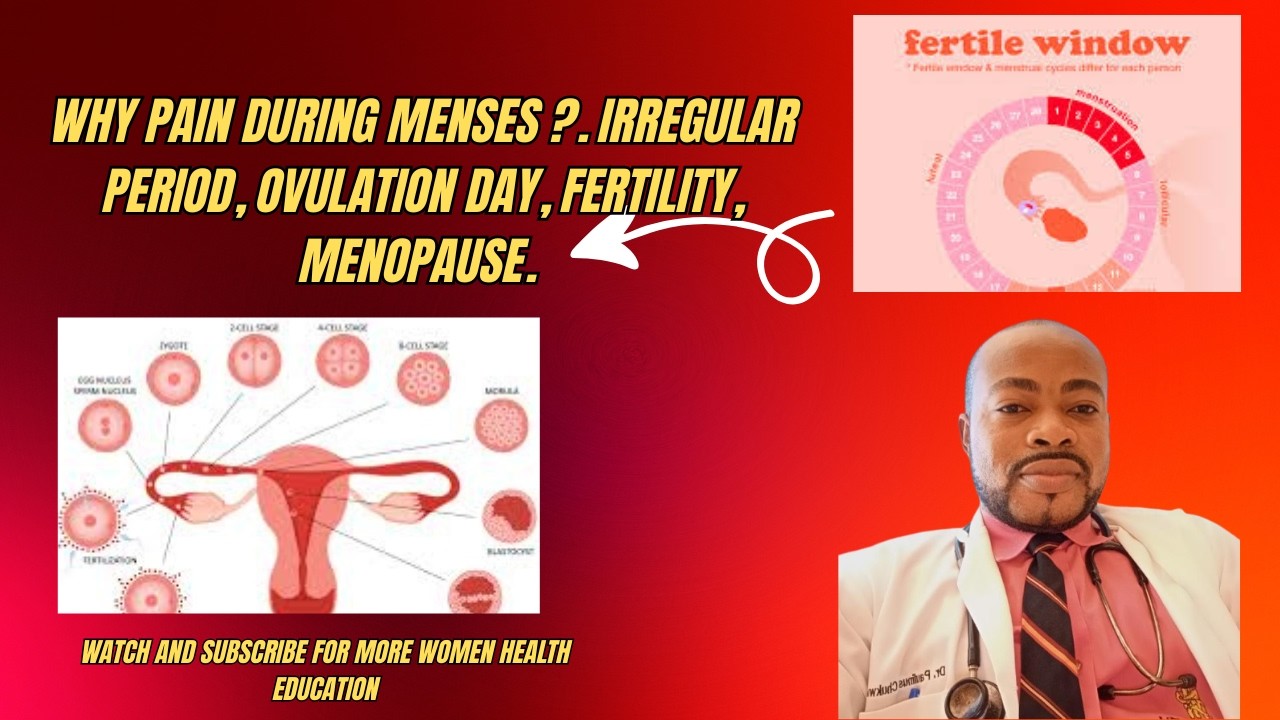
An ovary releases a mature egg into the fallopian tube, where it remains viable for a limited time. This is a critical window — often called the “fertile window” — during which fertilization can occur.
The egg is surrounded by protective layers and cellular structures. It does not “choose” a sperm, but biological compatibility and cellular signaling guide the process.
Timing is everything.
If sperm are present in the fallopian tube during ovulation, the possibility of fertilization exists. If not, the egg dissolves naturally, and the cycle continues.
✨ Fertilization: The Moment Two Become One
When a sperm successfully reaches the egg, an extraordinary event unfolds.
The sperm must first bind to the egg’s outer layer and release specialized enzymes to gain entry. Once a single sperm penetrates the egg’s membrane, the egg undergoes immediate changes that prevent other sperm from entering.
This ensures that only one set of paternal genetic material combines with the maternal genetic material.
At this precise moment:
The sperm’s DNA merges with the egg’s DNA.
A new cell forms, called a zygote.
A completely unique genetic blueprint is created.
This blueprint determines characteristics such as eye color, hair type, and countless other inherited traits.
The zygote contains 46 chromosomes — 23 from each parent — forming the complete genetic identity of a new human being.
This is the biological origin of human life.
🔬 Rapid Cell Division: The First Days
Within hours, the zygote begins dividing.
1 cell becomes 2.
2 become 4.
4 become 8.
These rapid divisions continue as the tiny cluster of cells travels down the fallopian tube toward the uterus.
By the time it reaches the uterus, the developing structure is called a blastocyst — a hollow ball of cells with specialized inner layers that will later form the embryo and supporting tissues.
All of this happens within just a few days — silently and invisibly.
🌸 Implantation: A New Beginning
For pregnancy to continue, the blastocyst must implant into the lining of the uterus.
This step is critical.
The uterine lining, thickened during the menstrual cycle, provides nutrients and support. If implantation is successful, hormonal signals are sent to maintain the uterine environment.
At this point:
Pregnancy officially begins.
The placenta will eventually form.
Nutrient and oxygen exchange between mother and embryo will develop.
Implantation is not guaranteed. Many fertilized eggs do not implant, which is a natural part of biology.
When implantation succeeds, the next stage of development unfolds.
Повторяем попытку...

Доступные форматы для скачивания:
Скачать видео
-
Информация по загрузке: