Adeyto How to make 🎸Dog Cat Skin SHAMISEN Japanese Guitar LIVE @ Shinjuku TAKASHIMAYA
Автор: Adeyto
Загружено: 2018-01-19
Просмотров: 2061
Описание:
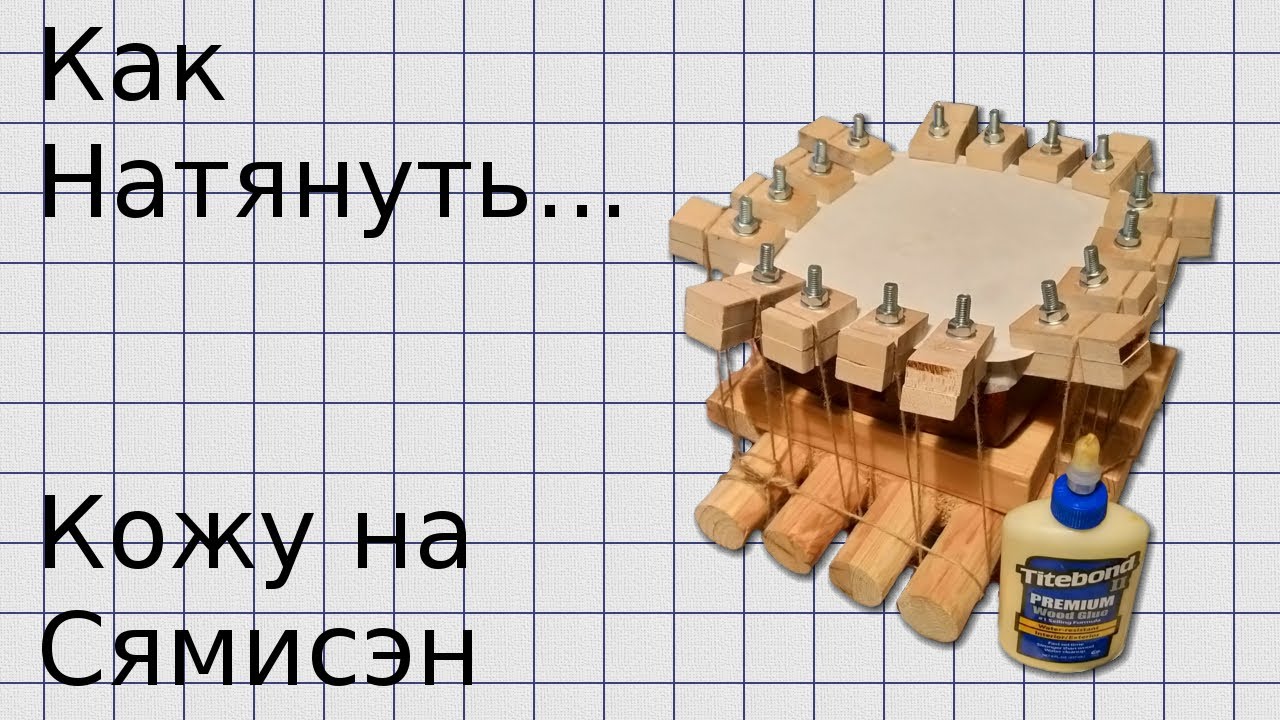
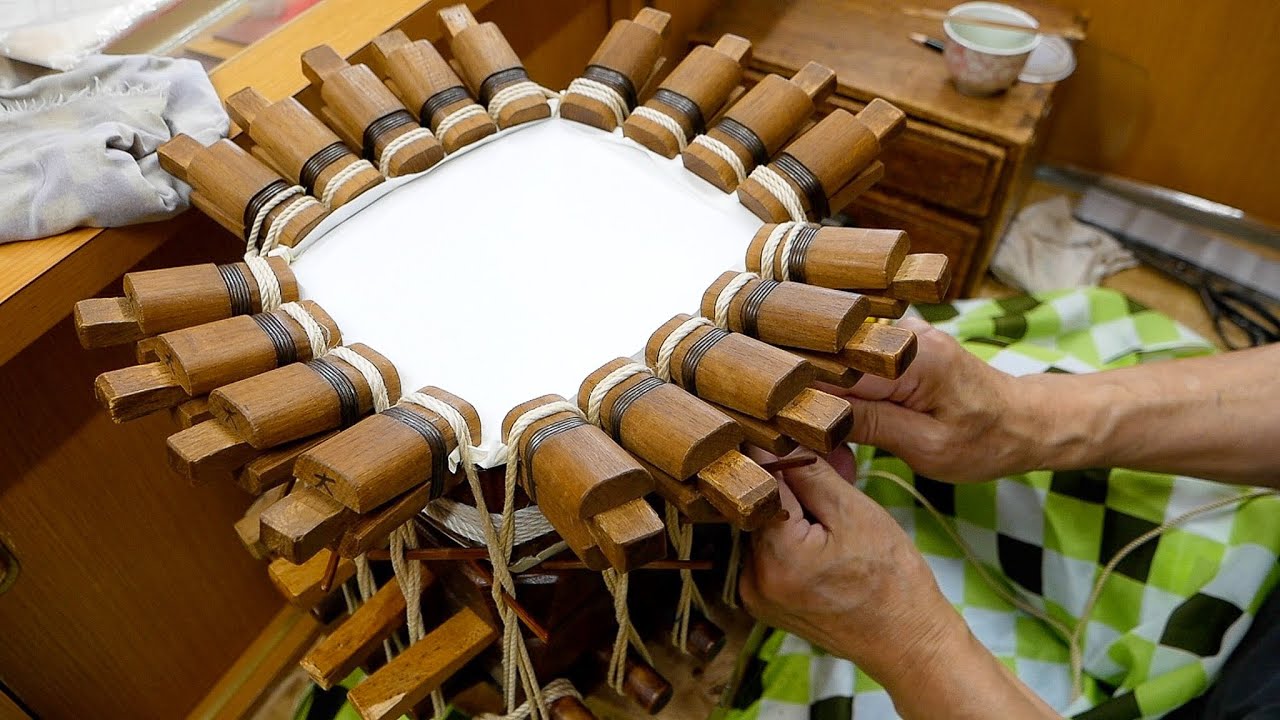
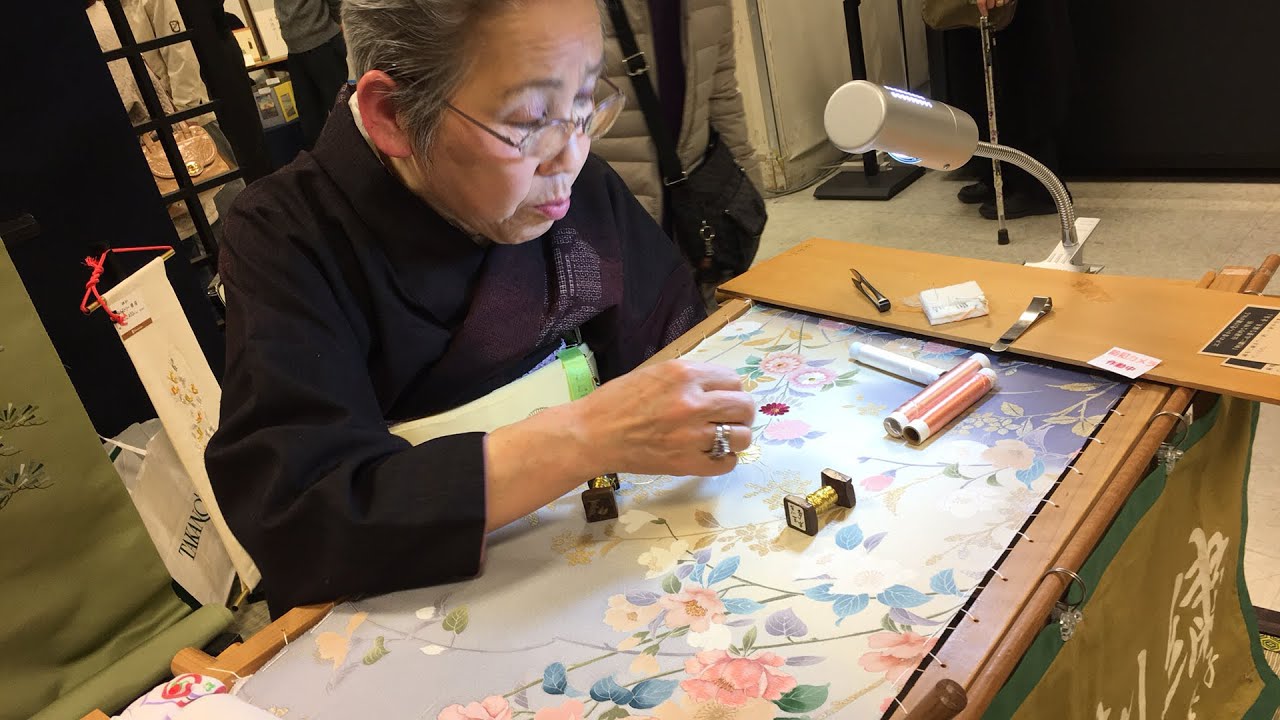
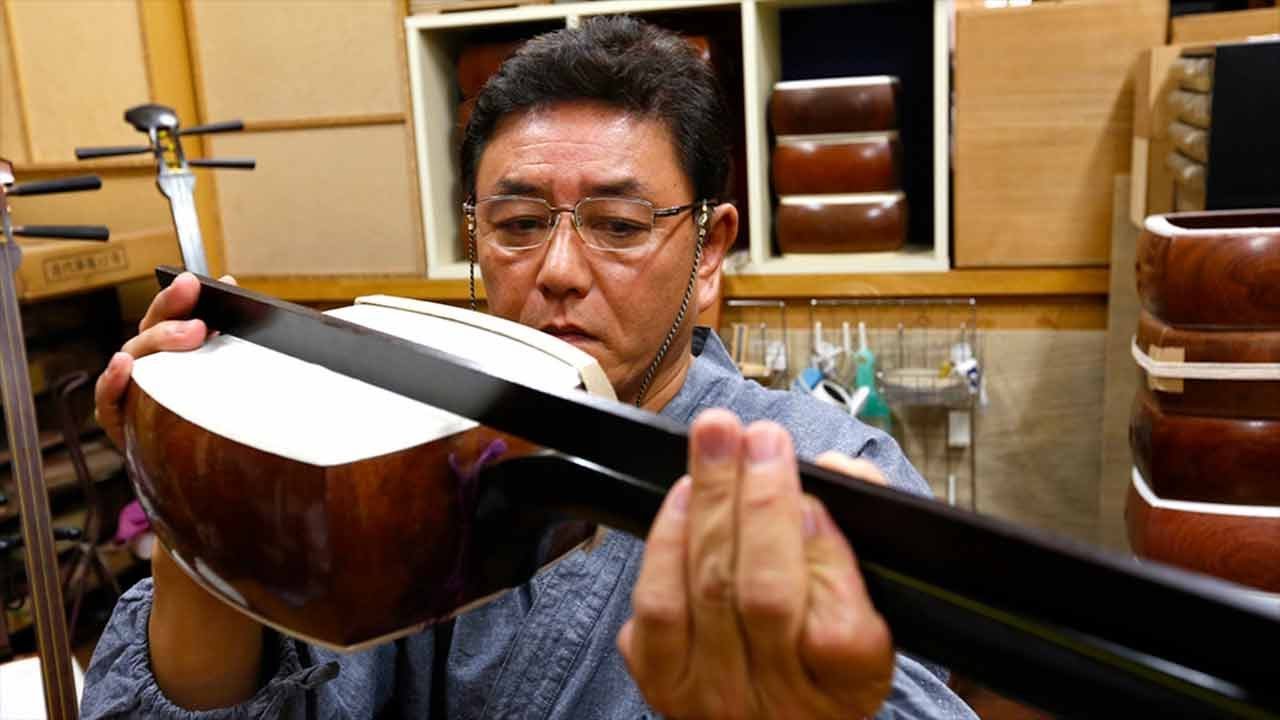
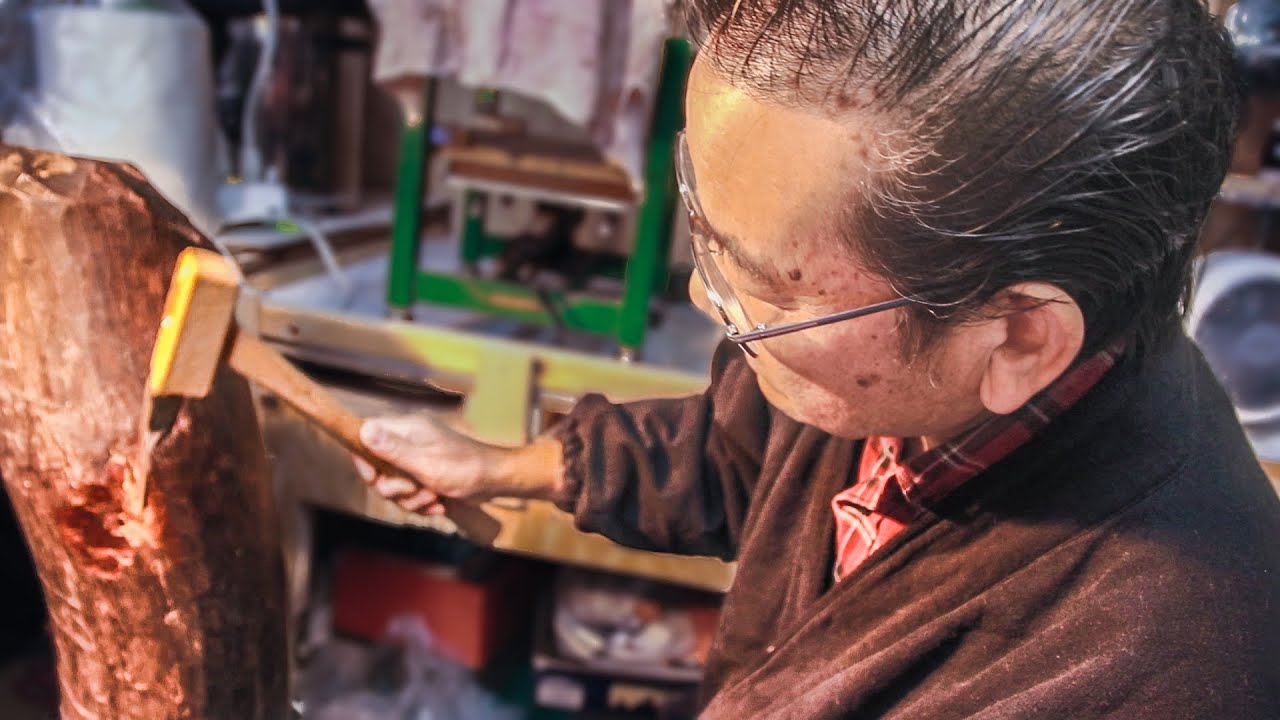
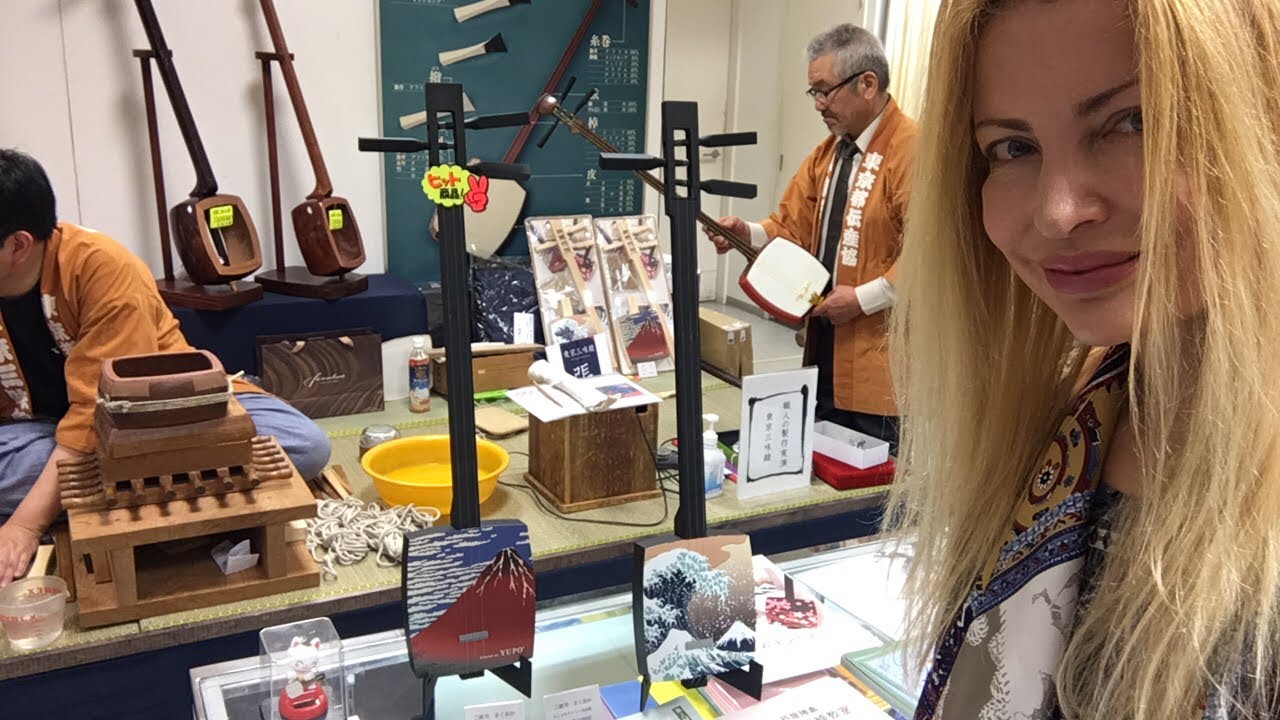
Right now and going on until January 23rd 2018 Tokyo Government creates this space where you can see with your own eyes how various JAPANESE TRADITIONAL Artifacts are made!! So many different crafts are presented here!! A MUST SEE if you are in Tokyo these days otherwise I tried to capture it LIVE for you! Here we experience the making of a Shamisen Guitar!! The front part is DOG SKIN however the Cat skin creates the best reverberation as the pores are finest. Dog skin is more resistant. All these animal skins are actually from animals that are used us food and come basically from Thailand or other Asian countries that are eating dogs and cats even these days! It is not like the Japanese would kill their pets instead everything is important and this 500 years old tradition comes from China. Long ago they used snakeskin but is this was more difficult to octane when it crossed over to Japan they started using the imported cat skin. Normally these dogs and cats skin would be thrown away after people are eating the animals so instead of throwing away such parts they are being put into valuable use and become an art object!!
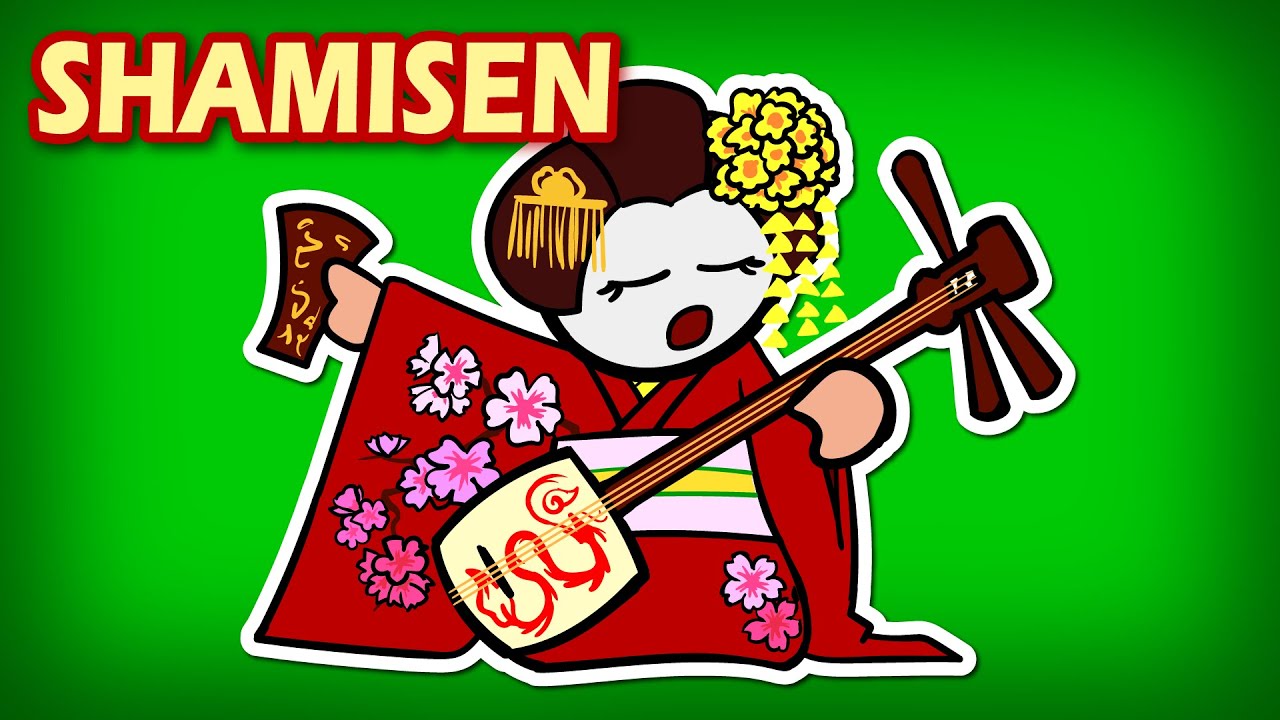
The shamisen is a plucked stringed instrument.[2] Its construction follows a model similar to that of a guitar or a banjo, with a neck and strings stretched across a resonating body. The neck of the shamisen is fretless and slimmer than that of a guitar or banjo. The body, called the dō (胴), resembles a drum, having a hollow body that is covered front and back with skin, in the manner of a banjo. The skin used depends on the genre of music and the skill of the player. Traditionally skins were made using dog or cat skin but use of these skins gradually fell out of favor starting around 2006 due to social stigma and the decline of workers skilled in preparing these particular skins.[3] Contemporary shamisen skins are often prepared with synthetic materials, such as plastic.[4]
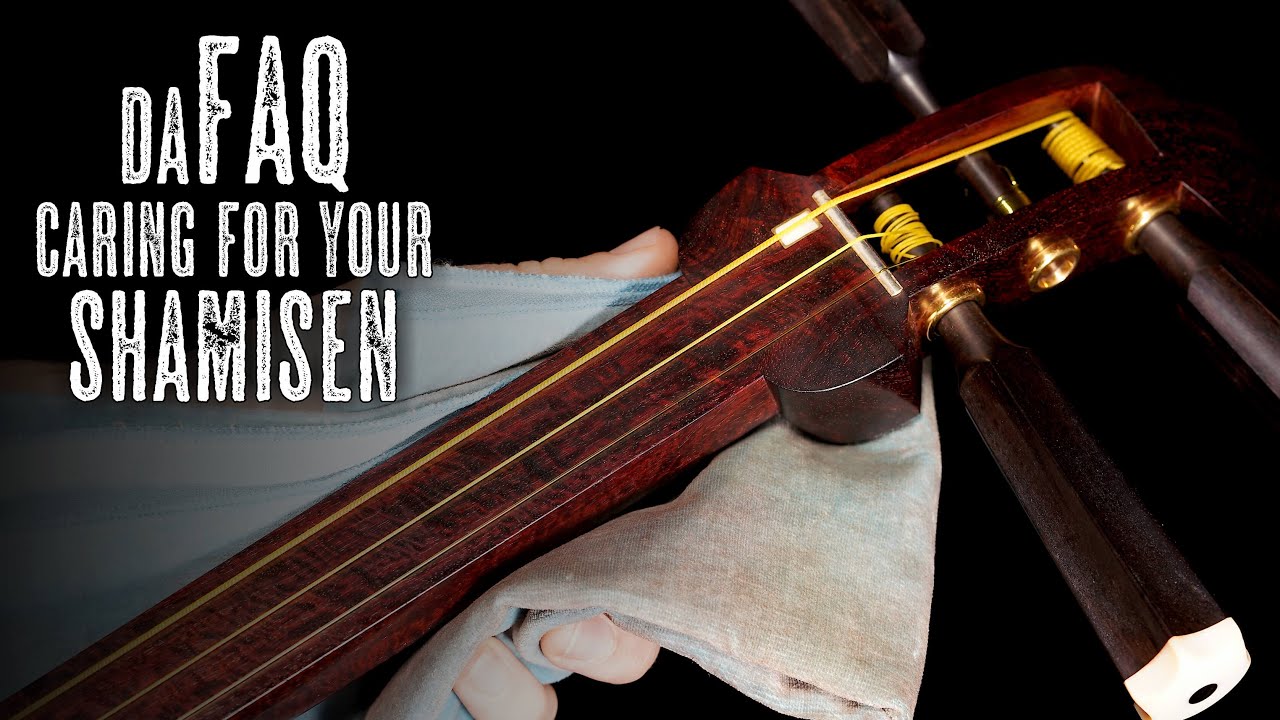
The sao (棹), or neck of the shamisen is usually divided into three or four pieces that fit and lock together. Indeed, most shamisen are made so that they can be easily disassembled and stowed to save space. The neck of the shamisen is a singular rod that crosses the drum-like body of the instrument, partially protruding at the other side of the body and there acting as an anchor for the strings. The pegs used to wind the strings are long, thin and hexagonal in shape. They were traditionally fashioned out of ivory, but as it has become a rare resource, they have been recently fashioned out of other materials, such as various kinds of wood and plastic.
The three strings are traditionally made of silk, or, more recently, nylon. They are stretched between the pegs at the head of the instrument, and a cloth tailpiece anchored at the end of the rod which protrudes on the other side of the body. The strings are stretched across the dō, raised from it by means of a bridge, or koma (駒), which rests directly on the taut skin. The lowest string is purposefully laid lower at the nut of the instrument, so that it buzzes, creating a characteristic timbre known as sawari (somewhat reminiscent of the "buzzing" of a sitar, which is called jivari). The upper side of the dō (when on the player's lap) is almost always protected by a cover known as a dō kake, and players often wear a little band of cloth on their left hand to facilitate sliding up and down the neck, known as a yubikake. The head of the instrument known as a tenjin may also be protected by a cover. The material of the strings will depend on the skill of the player. Traditionally, silk strings are used. However, silk breaks easily over a short time, so this is reserved for professional performances. Students often use nylon or 'tetron' strings, which last longer than silk, and are also less expensive.
The construction of the shamisen varies in shape and size, depending on the genre in which it is used. The bachi used will also be different according to genre, if it is used at all. Shamisen are classified according to size and genre. There are three basic sizes; hosozao, chuzao and futozao. Examples of shamisen genres include nagauta, jiuta, min'yo, kouta, hauta, shinnai, tokiwazu, kiyomoto, gidayu and tsugaru.
Futozao
Finally, futozao (太棹, literally "fat neck") are used in the robust music of gidayubushi (the music of bunraku), Joruri Min'yo, and Tsugaru-jamisen. In these genres, a thicker neck facilitates the greater force used in playing the music of these styles. The futozao of Tsugaru-jamisen is quite a recent innovation, and is purposefully constructed in a much larger size than traditional style shamisens, and its neck is much longer and thicker than the traditional nagauta or jiuta shamisens.
Повторяем попытку...
Доступные форматы для скачивания:
Скачать видео
-
Информация по загрузке: