Blown fuse or breaker - A simple guide to restore the power
Автор: Tandem Lobster
Загружено: 2024-07-03
Просмотров: 536
Описание:
Simple household tips on how to restore power - no professional electrical advice is either intended or given.
If a fuse or breaker has tripped in your house, this is a simple guide to getting the power back on - (for UK householders) VIDEO ELEMENTS Fuse board location 25 – 49 seconds Simple scenario to restore power 50 – 1:19 seconds More complex scenario 1:20 – 2:43 seconds Another more complex scenario 2:44 – 6:44 seconds (Tip for fixing a persistent fault 4:60 – 6:40 seconds) Summary 6:45 to end
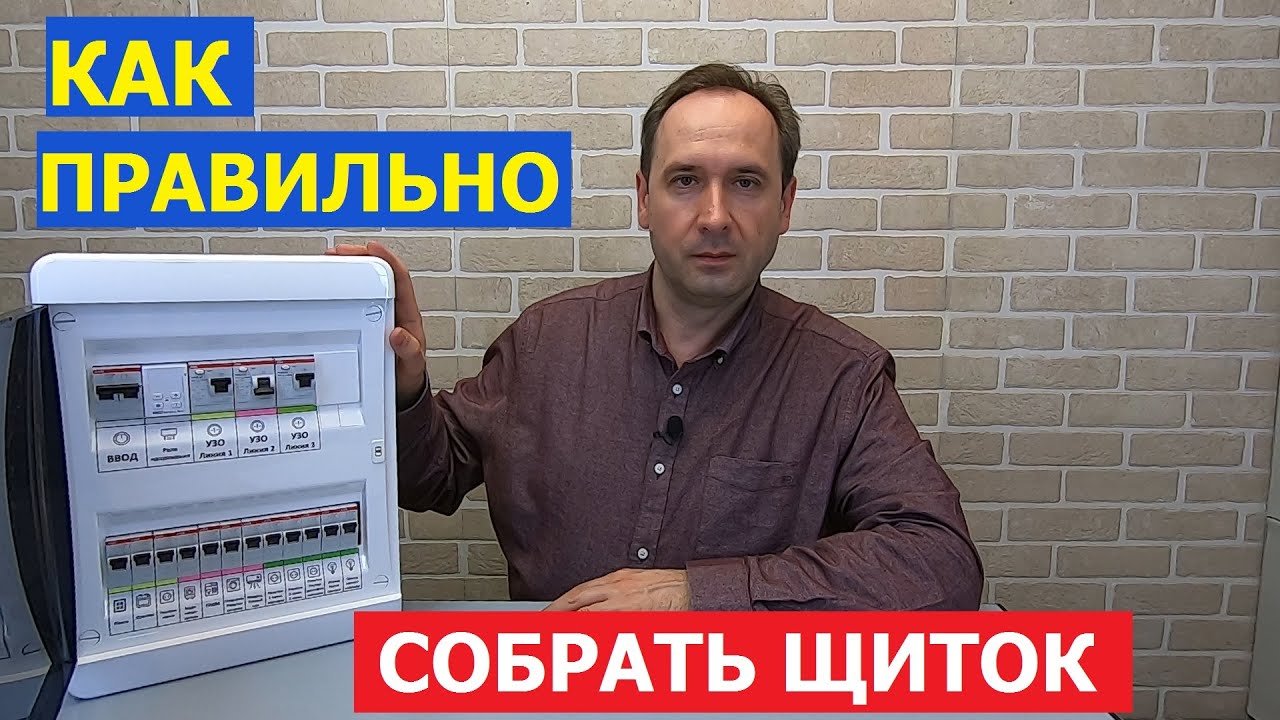
Possible fuse board/consumer unit locations: Hallway, garage, utility room, kitchen or passageway to kitchen, a cupboard (often utility looking with a flat plain door), if in a flat the service could be shared so ask the vendor or landlord where it is in case you ever have a problem. To access the fuses or breakers simply open the fuse box flap, or similar, to reveal the breakers. WARNING: NEVER UNSCREW AND REMOVE THE CASING AS IT HAS LIVE WIRES BEHIND – ONLY RESET THE BREAKERS AS SHOWN WITH YOUR FINGERS AND DON’T USE TOOLS OR CUTLERY ETC TO PUSH THE BREAKERS UP WHICH COULD RESULT IN INJURY. A residual current device (RCD) is a safety device that switches off electricity automatically if there is a fault. RCDs are far more sensitive than normal fuses and circuit-breakers and provide additional protection against electric shock. The split board shown is permissible within Requirements for Electrical Installations, IET Wiring Regulations, Eighteenth Edition, BS 7671:2018+A2:2022 (Electrical Regulations) at the time of publication. Although fuse board/consumer units are designed for safe use by the public, if you’re not sure what to do and feel you need help ask a competent person or an electrician for help.
Повторяем попытку...

Доступные форматы для скачивания:
Скачать видео
-
Информация по загрузке:









![[#139] Основы умного дома: правильная разводка электрики](https://imager.clipsaver.ru/7RT7IygWqq0/max.jpg)