Iran Turned Hormuz Into an Economic Weapon — And the Global Impact Has Already Started
Автор: Professor Jiang Global Briefing
Загружено: 2026-04-22
Просмотров: 15
Описание:
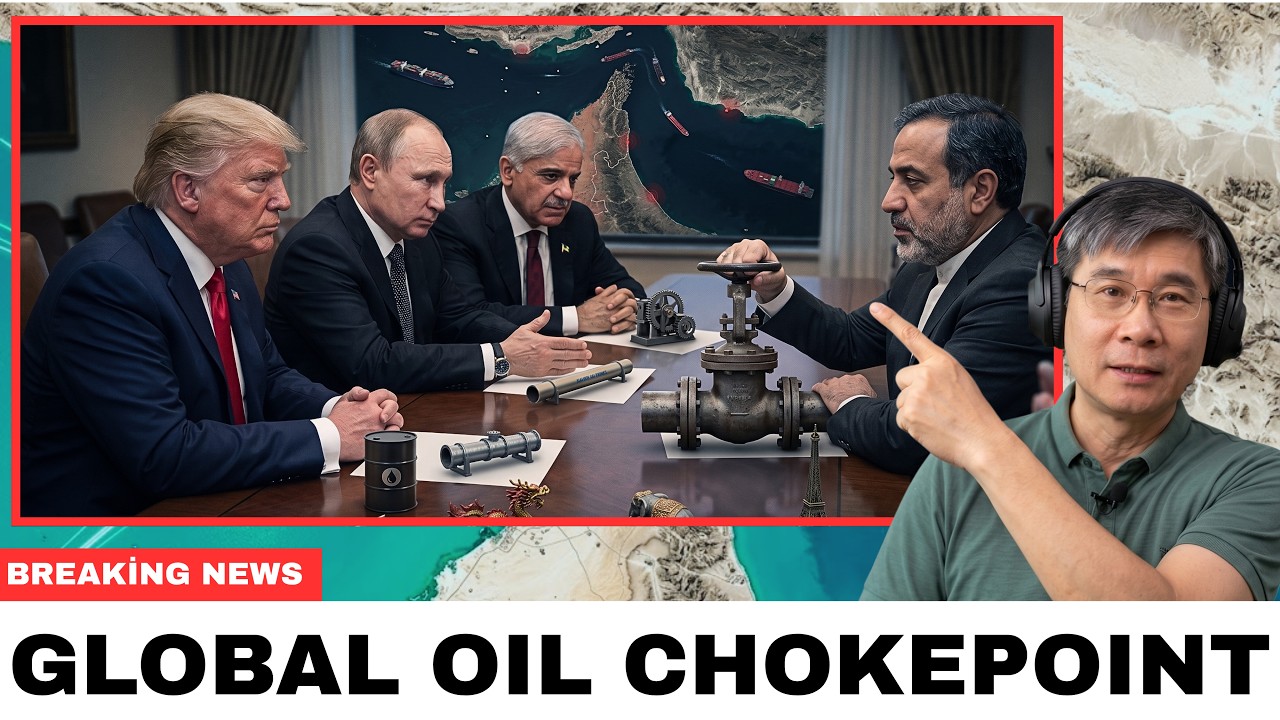
33 kilometers. That is all that separates the global economy from a full-scale energy crisis.
Through that narrow gap between Iran and the Arabian Peninsula, 21 million barrels of oil move every single day. One fifth of everything the world burns. And right now, Iran has its hand on that valve — opening it, closing it, firing on ships that try to pass without permission.
Most coverage is focused on the military side of this. The strikes, the ceasefire talks, the diplomatic statements. What almost nobody is explaining is what this actually does to the economies that depend on that water staying open.
Japan imports 90% of its energy through this strait. South Korea, 70%. China runs its entire manufacturing model on Gulf oil flowing through Hormuz. India was on track to become the world's next great economic engine — until this happened. And Europe is facing an industrial cost crisis that most people haven't connected to this conflict yet.
In this video I walk through the economic reality country by country, number by number. I also explain the petrodollar system — the financial mechanism most people have never heard of — and why what's happening in the Gulf right now is quietly threatening America's ability to service $36 trillion in debt.
This isn't about who wins the war. It's about who survives the economic transformation happening underneath it.
🔔 Subscribe if you want the economic story behind the headlines, explained clearly.
💬 Which country do you think gets hit hardest by this? Tell me in the comments.
#Hormuz #GlobalEconomy #OilCrisis #EnergyMarkets #Iran #Geopolitics #EconomicAnalysis #OilPrices #SupplyChain #WorldEconomy
Повторяем попытку...
Доступные форматы для скачивания:
Скачать видео
-
Информация по загрузке: