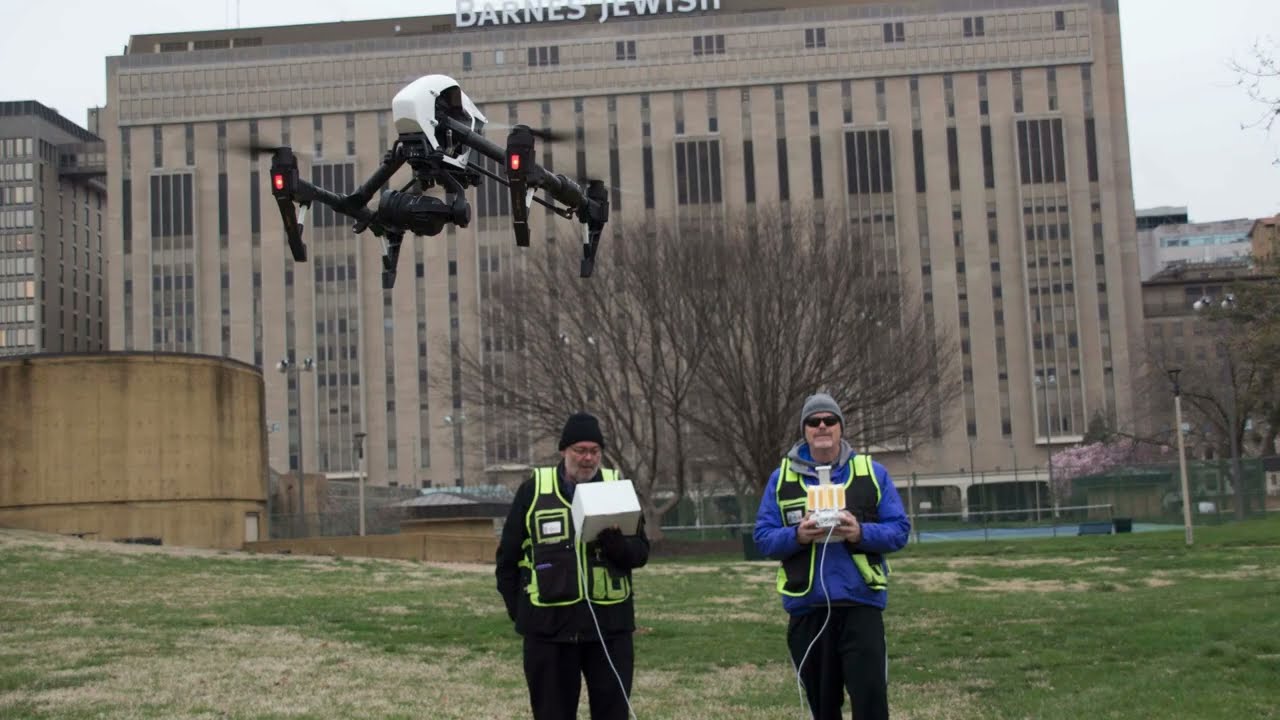
Building Inspections with Infrared Drones
Автор: st louis aerial video
Загружено: 2023-12-18
Просмотров: 24
Описание:
Conducting an Infrared Building Inspection
Visual Inspection
Before utilizing thermal imaging, it's essential to conduct a visual inspection of the building. This step helps you identify potential areas of concern and plan your thermal scans accordingly.
Thermal Scanning
Once the visual inspection is complete, it's time to utilize the thermal imaging camera. Here are some tips for effective thermal scanning:
Fly Slowly and Steadily: Maintain a slow and steady flight to capture detailed thermal data.
Overlap Images: Ensure overlapping coverage of thermal images to avoid missing any areas.
Angle and Distance: Experiment with different angles and distances to capture the most informative images.
Record Data: Record thermal data during the flight for later analysis.
Data Analysis
After the flight, the real work begins: analyzing the thermal data. Software specifically designed for thermal image analysis can help identify anomalies and potential issues. Pay attention to temperature variations, as they can indicate problems like water leaks or electrical faults.
Reporting
The final step in the inspection process is generating a comprehensive report for your clients. Your report should include:
Visual and Thermal Images: Include both visual and thermal images with annotated findings.
Findings and Recommendations: Clearly state your findings and provide recommendations for necessary actions.
Summary and Conclusion: Summarize the inspection's outcomes and conclude with an overall assessment.
Challenges and Considerations
While infrared drones offer significant benefits for building inspections, there are several challenges and considerations to keep in mind:
Weather Conditions
Adverse weather conditions can significantly impact the effectiveness of thermal imaging. Rain, snow, fog, or extreme temperatures can distort thermal readings or even make flights unsafe. Always monitor weather conditions and plan accordingly.
Calibration
Regular calibration of your thermal imaging camera is crucial to maintain accuracy. Calibrating ensures that the camera accurately measures temperature differences, allowing you to identify anomalies correctly.
Operator Training
Operating an infrared drone and interpreting thermal data require specialized training. Ensure that you and your team are adequately trained and certified to perform building inspections using this technology.
Regulations and Permits
Drone operations are subject to regulations and permits in many areas. Familiarize yourself with local laws and obtain any necessary permits before conducting inspections.
Privacy Concerns
Respect privacy laws and the privacy of building occupants during inspections. Always obtain proper consent when necessary and avoid capturing unnecessary personal information.
Real-Life Applications
Infrared drones have found applications in various industries beyond building inspections. Here are some examples:
Energy Audits
Infrared drones are used to identify energy inefficiencies in industrial facilities, helping companies reduce energy consumption and save costs.
Agriculture
In agriculture, these drones are employed to monitor crop health, detect irrigation issues, and assess the effectiveness of pest control measures.
314-604-6544
[email protected]
Повторяем попытку...

Доступные форматы для скачивания:
Скачать видео
-
Информация по загрузке:


![🔴 EXPRESS BIEDRZYCKIEJ | ARKADIUSZ MYRCHA, PROF. MARCIN MATCZAK [NA ŻYWO]](https://imager.clipsaver.ru/VjhtZK5XJnU/max.jpg)